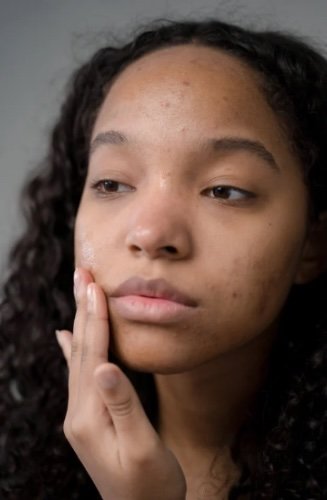
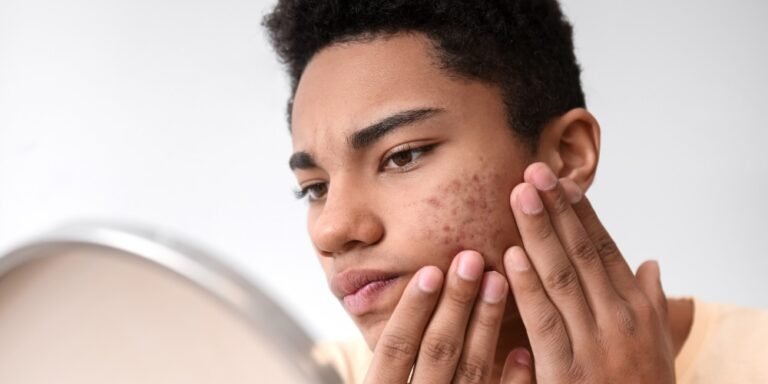
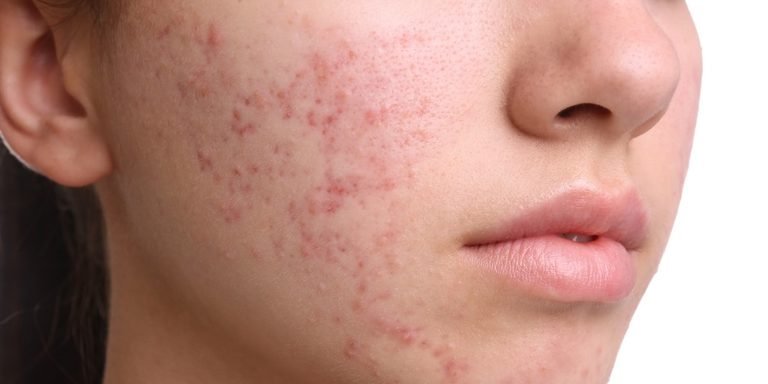
With so many acne products on the shelf, it can be hard to know which ones are worth your money. In this video, Dr Derrick Phillips ranks six of the best acne treatments out of 10, based on how well they work and what he sees in clinic every day. Topical retinoids came out on top with a perfect score, closely followed by benzoyl peroxide. Every treatment on this list has a place when it is matched to the right type of acne.
This acne product guide explains how each treatment works, which types of spots it is best for, how to combine them safely, and when it is time to consult with a dermatologist.
The Best Acne Treatments at a Glance
| Rank | Treatment | Score | Best for |
|---|---|---|---|
| 1 | Topical retinoids | 10/10 | Preventing breakouts, clogged pores, post-acne marks |
| 2 | Benzoyl peroxide | 9/10 | Red, inflamed spots |
| 3 | Salicylic acid | 8/10 | Whiteheads and blackheads |
| 4 | Niacinamide | 8/10 | Redness, oiliness, sensitive skin, post-acne marks |
| 5 | Azelaic acid | 7/10 | Acne with dark marks, sensitive or pregnant skin |
| 6 | Pimple patches | 7/10 | Stopping picking, single spots |
What Makes a Good Acne Treatment?
Acne develops when pores become blocked with oil and dead skin cells, bacteria multiply inside the blocked pore, and inflammation follows. The best acne treatments target one or more of these steps, which is why some products are better for blackheads and whiteheads, while others are better for red, inflamed spots.
A good acne treatment should also be something you can use consistently. Even the most effective product will not help if it irritates your skin so much that you stop using it. Protecting your skin barrier is one of the most important considerations when creating a treatment plan for your acne.
The Best Acne Treatments Ranked
1. Topical Retinoids (10/10)
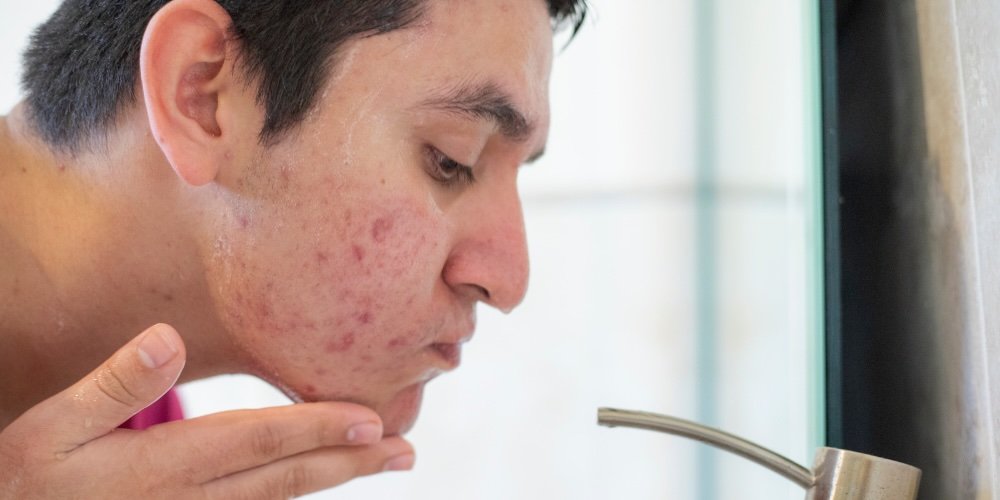
Topical retinoids are Dr Phillips’ top-rated acne treatment, giving it a 10/10. Retinoids unclog the pores, reduce the frequency and severity of breakouts, and can also treat post-acne marks. Retinoids work by speeding up skin cell turnover, which stops dead skin cells from building up inside the pore and forming new spots.
In the UK, Adapalene, Tretinoin and Trifarotene are retinoids that are licensed for treatment of acne and are only available on prescription. Retinoids can cause dryness and irritation at first, so start two or three nights a week and build up slowly. They are not suitable during pregnancy, but this article will guide you through pregnancy-safe actives for acne.
To learn more about which retinoid is best for you, read retinol vs retinal vs tretinoin.
2. Benzoyl Peroxide (9/10)
Benzoyl peroxide is excellent for treating inflamed spots and helps to reduce the burden of the acne-causing bacteria. It works by releasing oxygen into the pore, which the bacteria cannot survive in, and it has the added benefit of not causing bacterial resistance in the way antibiotics can.
It is available as a wash or gel, and lower strengths are often just as effective with less irritation. Benzoyl peroxide can bleach towels, pillowcases and clothing, so a wash-off formula is often the easiest option, particularly for back acne.
3. Salicylic Acid (8/10)
Salicylic acid is an oil-soluble beta hydroxy acid, which means it can get inside the pore and dissolve the build-up of oil and dead skin cells. This makes it great for treating whiteheads and blackheads. It is also safe for use in pregnancy at concentrations under 2%.
Salicylic acid is gentler than many other acne treatments, so it suits most skin types, but it works best on clogged pores rather than deep, inflamed spots.
For more help with comedones, see our guides on how to get rid of blackheads and how to get rid of whiteheads.
4. Niacinamide (8/10)
Niacinamide is one of the most versatile ingredients for acne-prone skin. It reduces inflammation, balances oil production, supports the skin barrier and helps to fade post-acne marks.
Because it is so well tolerated, niacinamide works well alongside stronger treatments such as retinoids or benzoyl peroxide, and it is a good choice for sensitive skin. On its own, it is unlikely to clear moderate acne, so think of it as a supporting player rather than the main treatment.
5. Azelaic Acid (7/10)
Azelaic acid treats both the acne and the dark marks it leaves behind. It has anti-inflammatory and antibacterial properties and helps to calm the overactive pigment cells that cause post-inflammatory hyperpigmentation, which makes it particularly useful for people with darker skin tones.
Over-the-counter versions are available, but prescription strengths are more effective. Azelaic acid is generally well tolerated and can be safely used during pregnancy.
6. Pimple Patches (7/10)
Pimple patches protect against picking, which is one of the most common reasons spots leave behind marks and scars. The medicated versions can also help to soothe inflammation.
Patches are best for single spots, particularly ones that have come to a head. They will not prevent new breakouts or treat widespread acne, so they work best as an extra tool alongside a proper treatment routine.
Which Acne Treatment Is Best for Your Type of Spots?
| Type of acne | Best treatments from this list |
|---|---|
| Whiteheads and blackheads | Salicylic acid, topical retinoids |
| Red, inflamed spots (papules and pustules) | Benzoyl peroxide, topical retinoids, azelaic acid |
| Single spots with a head | Pimple patches, benzoyl peroxide |
| Red or dark marks after acne | Topical retinoids, azelaic acid, niacinamide |
| Deep nodules and cysts | See a dermatologist, as these usually need prescription treatment |
If your marks are flat and red rather than brown, see the guide to post-inflammatory erythema, which explains why these are not scars and how they are treated.
How to Combine Acne Treatments Safely
Many of these treatments work best together, because each targets a different part of the acne process. A common approach is benzoyl peroxide or salicylic acid in the morning and a retinoid at night, with niacinamide and a non-comedogenic moisturiser to support the skin barrier.
The most common mistake Dr Phillips’ sees is using too many active ingredients at once. This leads to dryness, redness and irritation, and often makes acne look worse. Introduce one new treatment at a time, give your skin a few weeks to adjust, and always wear a broad-spectrum SPF during the day.
If you’re looking for a routine, you can find acne-specific guides below:
- Fungal Acne Treatment
- Cystic Pimple Treatment
- Blackhead Treatment
- Whitehead Treatment
- Back Acne Treatment
- Teenage Acne Treatment
How Long Do Acne Treatments Take to Work?
Most patients notice improvement within:
- 6 to 8 weeks with benzoyl peroxide or salicylic acid
- 8 to 12 weeks with a topical retinoid
- Several months for post-acne marks to fade with retinoids, azelaic acid or niacinamide
- A few days for a single spot covered with a pimple patch
Patience and consistency are key. Many people give up on a treatment before it has had time to work, which is one of the most common reasons acne does not get better.
When should you consult a dermatologist?
Over-the-counter treatments work well for mild acne, but they have their limits. If your acne has not improved after three months of consistent treatment, if you have painful cystic spots, or if your acne is leaving marks or scars, a dermatologist can offer prescription treatments that are far more effective. These include stronger retinoids, combination creams and gels, oral antibiotics, hormonal treatments and isotretinoin. For persistent mild to severe acne, Dr Phillips also offers AviClear, a laser treatment that targets the oil glands directly.
You can find all of Dr Phillips Acne Treamtnent options here.
Frequently Asked Questions
What is the best acne treatment? Topical retinoids are the most effective all-round acne treatment, because they unclog pores, reduce breakouts and help fade post-acne marks. Benzoyl peroxide is a close second for red, inflamed spots. The best treatment for you depends on the type of acne you have.
Is benzoyl peroxide or salicylic acid better for acne? It depends on your spots. Benzoyl peroxide is better for red, inflamed spots because it reduces acne-causing bacteria. Salicylic acid is better for whiteheads and blackheads because it dissolves the oil and dead skin cells clogging the pore. Many people benefit from using both.
Do pimple patches work? Yes, for single spots. They protect the spot from picking, which reduces the risk of marks and scarring, and medicated versions can help calm inflammation. They will not prevent new breakouts, so they should be used alongside a proper acne routine.
Can I use retinoids and benzoyl peroxide together? Yes, and they work well as a combination. To reduce irritation, many people use benzoyl peroxide in the morning and a retinoid at night. Start slowly and use a gentle moisturiser to support your skin barrier.
Which acne treatments are safe during pregnancy? Salicylic acid is considered safe in pregnancy at concentrations under 2%. Azelaic acid and niacinamide can also be used safely. Topical retinoids should be avoided. Always check with your doctor or dermatologist before starting any new treatment during pregnancy.
When should I see a dermatologist for acne? See a dermatologist if your acne has not improved after three months of treatment, if you have deep or painful spots, or if your acne is leaving marks or scars. Prescription treatments are much more effective for moderate to severe acne.
Author: Dr Derrick Phillips, Consultant Dermatologist, MBBS BSc (HONS) FRCP (Dermatology)
Last reviewed: November 2026