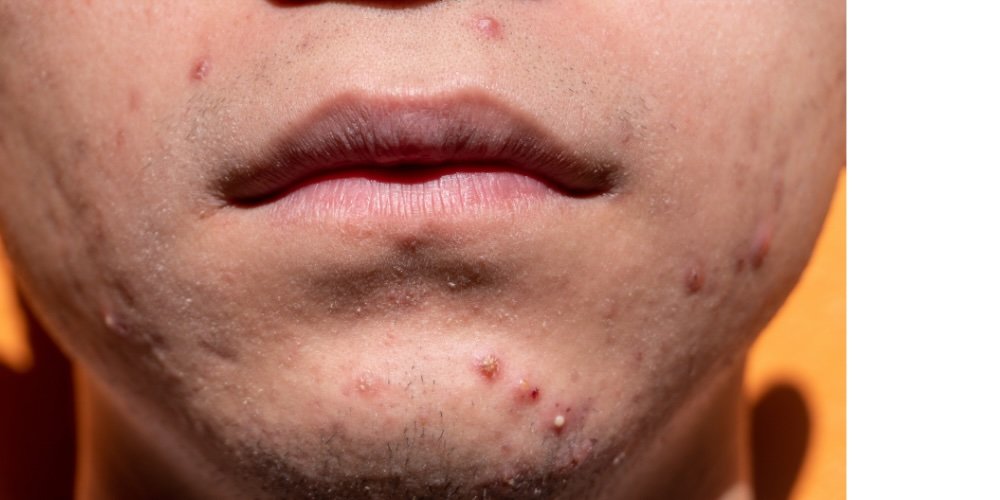
Whiteheads, also known as closed comedones, are a common type of acne that develop when oil, dead skin cells, and bacteria become trapped inside a clogged pore. Unlike blackheads, the pore remains closed, creating small white or flesh-coloured bumps beneath the skin’s surface. Whiteheads most commonly appear on the face, forehead, chin, nose, and cheeks, but can also develop on the chest, back, and shoulders.
The good news is that whiteheads are one of the most treatable forms of acne. Many cases improve with the right skincare ingredients, including salicylic acid, retinoids, and benzoyl peroxide, alongside a consistent routine that helps keep pores clear. For persistent or widespread whiteheads, a dermatologist can recommend prescription treatments and professional procedures to reduce congestion and prevent future breakouts.
In this dermatologist-approved guide by Dr Derrick Phillips, you’ll learn what causes whiteheads, how to get rid of whiteheads safely, the best treatments for closed comedones, and when it’s time to seek professional help.
What are whiteheads?
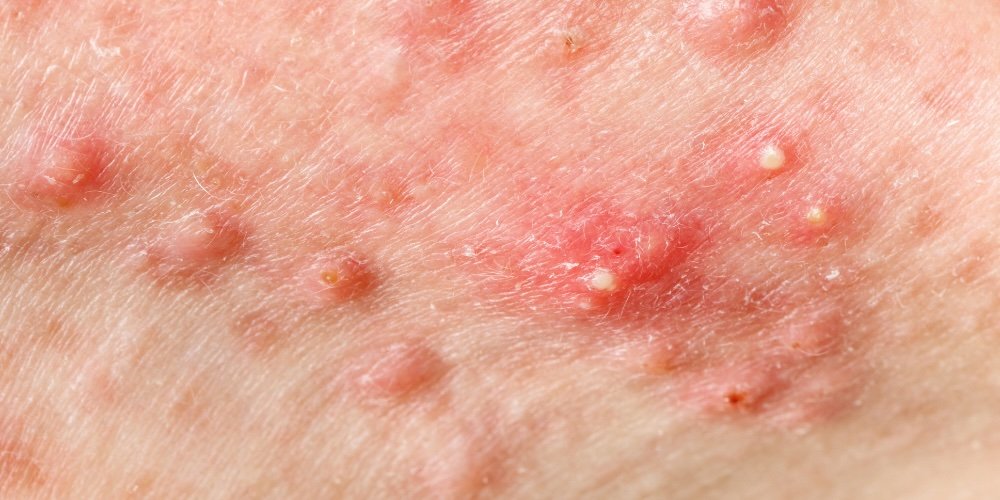
A whitehead is a closed comedone — a small bump that forms when a pore becomes blocked with a mix of excess oil (sebum), keratin (scale) and dead skin cells. Unlike blackheads, where the pore remains open and the contents are exposed to air, whiteheads are skin coloured because the pore is completely blocked by a thin layer of skin.This prevents the trapped oil and dead skin cells from reaching the surface and undergoing oxidation.
Whiteheads are a type of non-inflammatory acne. They are not caused by poor hygiene, but they are influenced by how your pores behave, which is largely down to genetics, hormones and the products you use.
Whiteheads vs Blackheads vs Milia
Whiteheads, blackheads, and milia are often mistaken for one another, but they are different skin conditions that require different treatments.
Whitehead (closed comedone): A clogged pore that remains covered by a thin layer of skin. Whiteheads appear as small white or flesh-coloured bumps and are a form of comedonal acne. They typically respond well to ingredients such as salicylic acid, retinoids, and other acne treatments.
Blackhead (open comedone): Similar to a whitehead, but the pore remains partially open. Exposure to air causes the trapped oil and dead skin cells to oxidise, giving the surface its characteristic dark appearance. Learn more about treating blackheads here.
Milia: Small, firm white cysts formed by trapped keratin beneath the skin. Milia commonly develop around the eyes, cheeks, and eyelids. Unlike whiteheads, milia are not caused by clogged pores and usually do not respond to typical acne treatments but can improve with topical retinoids. Professional extraction is often required. Read our milia guide here.
If a bump feels firm, remains unchanged for weeks or months, and is located around the eyes, it is more likely to be milia than a whitehead.
What causes whiteheads?
Several factors combine to block a pore:
- Excess sebum — oilier skin types are more prone to comedones.
- A build-up of dead skin cells that don’t shed efficiently and clog the pore opening.
- Hormonal changes — puberty, the menstrual cycle, pregnancy and conditions such as PCOS all increase oil production.
- Comedogenic (pore-blocking) products — heavy creams, certain make-up and some hair products.
- Friction and occlusion — tight straps, phones, helmets and face coverings can trap oil against the skin.
How to get rid of whiteheads: Dermatologist Treatment Plan
The most effective treatments for whiteheads target the root cause: clogged pores. They work by increasing skin-cell turnover, reducing oil build-up, and preventing dead skin cells from becoming trapped inside the pore.
Start with a Salicylic Acid (BHA) Cleanser or Leave-On Treatment
Salicylic acid is one of the best ingredients for treating whiteheads because it is oil-soluble, allowing it to penetrate deep into the pore and dissolve the build-up of oil and dead skin cells. Look for products containing 0.5–2% salicylic acid, either as a cleanser or leave-on treatment. Leave-on products are often best introduced gradually, starting two to three evenings per week. Choose one or the other!
Recommended Products: Cerave SA Smoothing Cleanser, Cerave Blemish Control Gel and Cetaphil Salicylic Acid Cleanser
Retinoids (Retinol or Adapalene)
Retinoids are the gold-standard treatment for comedonal acne, including whiteheads. They help increase skin-cell turnover, preventing pores from becoming clogged in the first place. Over time, retinoids can reduce existing whiteheads and help prevent new ones from forming. To minimise irritation, start by applying them two to three nights per week and gradually increase frequency as tolerated.
Learn more about Retinols in this Independent Article
Prescription Treatments
If over-the-counter treatments fail to improve whiteheads after several months, a dermatologist may recommend stronger prescription retinoids such as tretinoin or trifarotene. These medications are often highly effective for persistent comedonal acne and can be combined with other treatments when needed.
It’s important to be patient. Most whitehead treatments take 8–12 weeks to produce noticeable improvement. Frequently switching products or expecting overnight results is one of the most common reasons people fail to see progress.
Whitehead Removal: What Not To Do
Because a whitehead is covered by a thin layer of skin, attempting to squeeze it often pushes the blockage deeper into the pore rather than removing it. This can damage the surrounding skin, trigger inflammation, and increase the risk of post-inflammatory hyperpigmentation (dark marks) or scarring.
While it can be tempting to extract whiteheads at home, picking is one of the most common reasons a small blemish becomes a larger, redder, and longer-lasting spot. In most cases, a consistent treatment routine will clear whiteheads more effectively and with less risk of skin damage than manual extraction.
How to Prevent Whiteheads from Coming Back
- Use non-comedogenic moisturisers, sunscreens and make-up.
- Keep a consistent routine rather than chasing new products.
- Don’t over-exfoliate — scrubbing harder makes oil production and irritation worse, not better.
- Clean anything that touches your face regularly (pillowcases, phone screen).
Frequently asked questions
Are whiteheads a sign of bad hygiene?
Whiteheads form because of oil, skin-cell turnover and hormones, not because skin is “dirty.” Over-washing can actually make them worse. If you’re struggling to clear up whiteheads, its best to schedule a consultation with a dermatologist.
Should I pop a whitehead?
Squeezing or popping a whitehead risks pushing the blockage deeper, causing inflammation and marks.
What’s the fastest way to get rid of a whitehead?
A salicylic acid treatment can help reduce a whitehead, but there is no instant cure. The most effective long-term approach is a consistent skincare routine that includes ingredients such as salicylic acid, retinoids and azelaic acid to prevent pores from becoming clogged.
Why do I keep getting whiteheads?
Recurring whiteheads are often caused by a combination of genetics, hormones, excess oil production, and skin-cell build-up. Using comedogenic skincare products or skipping acne treatments too soon can also contribute to ongoing breakouts.
Can diet cause whiteheads?
Diet is not the primary cause of whiteheads, but some studies suggest that high-glycaemic foods and certain dairy products may worsen acne in susceptible individuals. However, topical treatments remain the cornerstone of treatment for most people.
How long do whiteheads take to clear?
Individual whiteheads can resolve in a week or two; clearing a tendency to form them takes 8–12 weeks of consistent treatment.