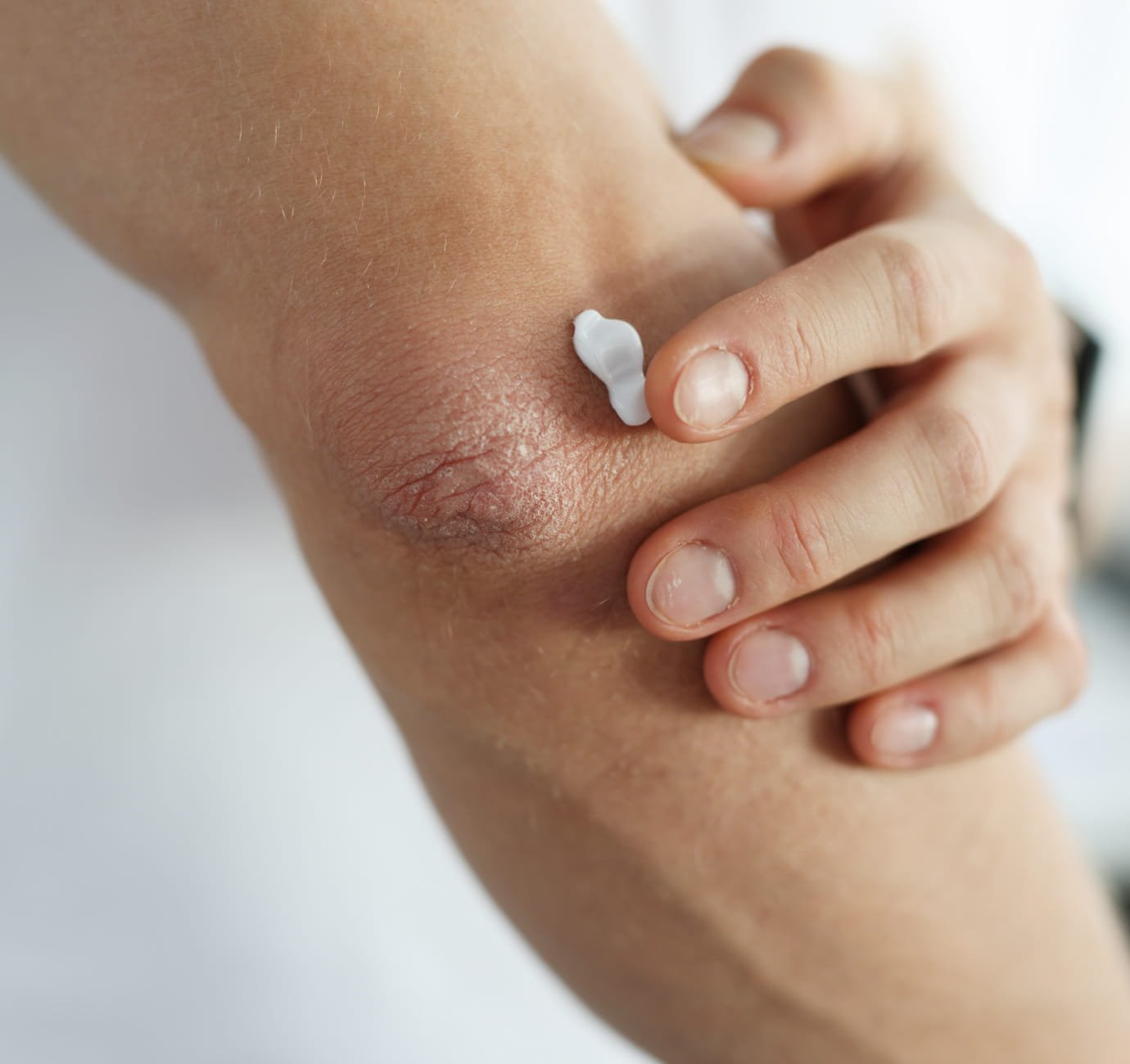
Eczema Treatment in London

Eczema is a long-term inflammatory skin condition that can affect different areas of the body and present in several forms. Dr Derrick Phillips provides specialist eczema diagnosis and treatment in London, with individualised plans designed to control symptoms, reduce flare-ups and support long-term skin health.

Eczema diagnosis and treatment

Eczema encompasses several recognised clinical subtypes, each with its own pattern, triggers and treatment considerations. Successful management depends on identifying the type of eczema, recognising the factors contributing to flare-ups and developing an individualised treatment plan. Dr Derrick Phillips provides specialist eczema treatment in London, with the aim of achieving long-term control rather than simply treating each flare in isolation.

Diagnosis tailored to your eczema subtype

Treatment based on severity and triggers

Skin barrier and inflammation management

Focus on long-term control

What is eczema?

Eczema is a chronic inflammatory skin condition characterised by dryness, itching, redness and, during flares, inflammation that may become weepy, crusted or thickened. It affects both children and adults and can develop at any stage of life. Most forms of eczema arise from a combination of skin barrier dysfunction, immune dysregulation and environmental triggers, which is why symptoms often fluctuate over time.

Although eczema cannot be cured, it can usually be controlled very effectively with the right treatment plan. Alongside prescription treatment where appropriate, optimising skin barrier function and identifying individual triggers are fundamental to achieving long-term control.

Types of eczema Dr Derrick Phillips treats

Atopic eczema is the most common form of eczema and is closely associated with the atopic triad of eczema, asthma and hay fever. It is characterised by a combination of skin barrier dysfunction and immune dysregulation, making the skin more susceptible to irritation, allergens and inflammation.

Atopic eczema typically follows a relapsing and remitting course. Although it often begins in childhood, it may persist into adulthood or develop for the first time later in life. Flare-ups can be triggered by a range of factors, including irritants, allergens, infections, hormonal changes and psychological stress. During your consultation, Dr Phillips assesses the severity of your eczema, identifies potential triggers, reviews previous treatments and develops an individualised plan to optimise both skin barrier function and control of inflammation.

For patients with moderate-to-severe atopic eczema that has not responded adequately to topical treatment, biologic therapies may be appropriate. Dr Phillips has particular expertise in the use of dupilumab and has published on outcomes in a real-world cohort of 100 patients in the British Journal of Dermatology (2020). This experience supports careful patient selection, counselling and long-term management of biologic therapy.

Take control of atopic eczema

If you are struggling with atopic eczema, book a consultation with Dr Derrick Phillips to discuss a personalised treatment plan.

Pompholyx eczema (also called dyshidrotic eczema) presents as crops of small, intensely itchy fluid-filled blisters on the palms, fingers and soles of the feet. It tends to flare suddenly, often in warm weather or during periods of stress, and can be severe enough to interfere with daily function. The blisters typically resolve over a few weeks but recur, and chronic pompholyx can leave the skin cracked, sore and vulnerable to secondary infection.

Clinical insight:

Pompholyx is one of the conditions most likely to present having been treated with the wrong approach for months. The blisters are frequently mistaken for fungal infection, and patients arrive having used antifungal cream that hasn't worked — not because the treatment failed, but because the diagnosis was wrong. Once correctly identified, pompholyx typically responds well to a structured combination of potent topical steroid, trigger management and, in recurrent or severe cases, phototherapy or systemic treatment.

Struggling with recurring itchy blisters?

If you’re dealing with itchy blisters on your hands and feet that aren’t getting better, schedule a consultation with Dr Derrick Phillips to receive a personalised treatment plan.

Discoid eczema (also known as nummular eczema) is characterised by round or oval, coin-shaped patches of inflamed, itchy skin, most commonly affecting the arms, legs and trunk. The patches may become weepy or crusted during active flares and often leave post-inflammatory pigmentation as they heal, particularly in darker skin tones.

Because of its well-defined circular appearance, discoid eczema can resemble other skin conditions, particularly fungal infection (tinea corporis) and, occasionally, psoriasis. Establishing the correct diagnosis is therefore essential before treatment is started.

Although the exact cause is not fully understood, dry skin, impairment of the skin barrier and exposure to irritants are recognised contributing factors. Treatment typically combines intensive moisturisation with prescription anti-inflammatory treatment, tailored to the severity and distribution of the eczema.

Dr Phillips carefully assesses the full clinical picture, distinguishing discoid eczema from other conditions that can appear similar, before developing an individualised treatment plan.

Concerned about persistent coin-shaped patches?

If you have persistent coin-shaped patches of eczema, particularly if they have not responded to initial treatment, book a consultation with Dr Derrick Phillips for an accurate diagnosis and personalised treatment plan.

Seborrhoeic dermatitis (sometimes called seborrhoeic eczema) is a common inflammatory skin condition that affects areas rich in sebaceous glands, including the scalp, face and chest. It is associated with an inflammatory response to Malassezia, a yeast that forms part of the skin's normal microbiome. Typical features include redness, greasy yellow-white scale and itching, with symptoms often worsening during periods of stress, illness or colder weather.

On the scalp, seborrhoeic dermatitis commonly presents as persistent dandruff or more extensive scaling with redness and irritation. On the face, it frequently affects the eyebrows, sides of the nose, beard area and around the ears, where it can resemble conditions such as  rosacea and facial psoriasis. Distinguishing between these conditions is important, as seborrhoeic dermatitis responds to treatments directed at both inflammation and Malassezia.

Although seborrhoeic dermatitis cannot be cured, it can usually be controlled very effectively. Treatment may include medicated shampoos, topical antifungal treatments and, during flares, short courses of anti-inflammatory creams. Dr Phillips tailors treatment to the areas affected, whether the scalp, face or both.

Persistent scaling or redness?

If you have persistent dandruff, facial scaling or redness that is not responding to treatment, book a consultation with Dr Derrick Phillips for an accurate diagnosis and a personalised treatment plan.

Eczema in skin of colour

Eczema can present differently in darker skin tones, where inflammation is often less obvious than in lighter skin. Rather than appearing bright red, active eczema may present as thickened, darkened patches of skin with grey, violaceous or deep brown discolouration. As the inflammation settles, post-inflammatory hyperpigmentation is common, with dark marks often persisting long after the eczema has resolved.

Accurate diagnosis is particularly important, as eczema can resemble several other inflammatory skin conditions in darker skin tones. Dr Phillips has extensive experience diagnosing and treating eczema across diverse skin tones, tailoring treatment to control active inflammation, restore the skin barrier and minimise the risk of post-inflammatory hyperpigmentation.

If you have eczema in darker skin and are struggling to achieve good control, book a consultation with Dr Derrick Phillips for an accurate diagnosis and a personalised treatment plan.
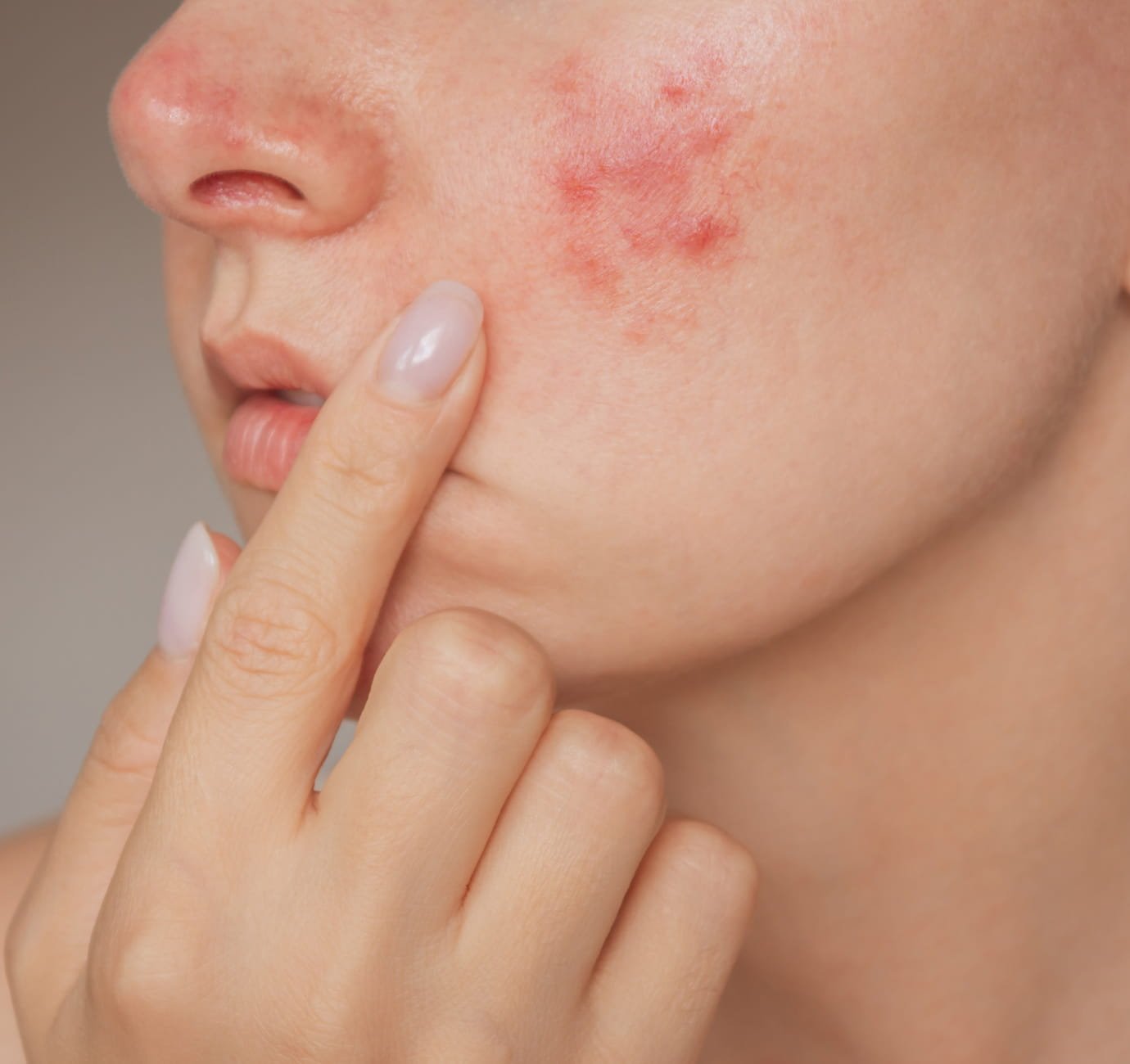
eczema on hands

Treatment for eczema on the hands in London

Hand eczema can have a significant impact on day-to-day life, particularly as the hands are repeatedly exposed to water, soaps, detergents, friction and other irritants. These ongoing exposures can impair the skin barrier and contribute to persistent or recurrent inflammation.

If you have eczema in darker skin and are struggling to achieve good control, book a consultation with Dr Derrick Phillips for an accurate diagnosis and a personalised treatment plan.

Occupational factors are common, especially in healthcare workers, hairdressers, chefs, cleaners and others whose work involves frequent hand washing or prolonged contact with irritants. Dr Phillips considers your occupation, daily routine and potential exposures alongside the appearance of your skin, developing a treatment plan that combines barrier protection, trigger avoidance and prescription therapy where appropriate.

If hand eczema is affecting your work or everyday activities,  schedule a consultation with Dr Derrick Phillips to discuss a personalised treatment plan.

Treating eczema on the face in London

The face is one of the most sensitive areas affected by eczema. Because facial skin is thinner and more susceptible to the side effects of topical corticosteroids, treatment requires particular care. The eyelids, skin around the eyes, cheeks and the area around the mouth are among the most commonly affected sites.

Facial eczema can closely resemble other inflammatory skin conditions, including rosacea, perioral dermatitis, seborrhoeic dermatitis and allergic contact dermatitis. Establishing the correct diagnosis is therefore essential, as treatment differs between these conditions and some therapies that benefit one may worsen another.

Dr Phillips carefully assesses the pattern and distribution of facial eczema before developing an individualised treatment plan. Where appropriate, this may include steroid-sparing treatments such as topical calcineurin inhibitors (tacrolimus or pimecrolimus), alongside measures to restore the skin barrier and reduce inflammation safely over the long term.

If facial eczema is affecting your skin, book a consultation with Dr Derrick Phillips for an accurate diagnosis and a personalised treatment plan.

eczema on face

How eczema can be treated

Treatment is tailored to the type, severity and underlying causes of your eczema, and may include one or more of the following:

Emollients and barrier repair

The foundation of eczema management, helping to restore the skin barrier and reduce the frequency of flares.

Topical corticosteroids

Used to control active inflammation, with the potency selected according to the body site and severity.

Topical calcineurin inhibitors

Tacrolimus and pimecrolimus, steroid-sparing treatments particularly useful for the face, eyelids and skin folds.

Antihistamines

Where appropriate, to help relieve itch and improve sleep during acute flares.

Phototherapy

For moderate-to-severe eczema that is not adequately controlled with topical treatment alone.

Conventional systemic immunosuppressive therapy

Including methotrexate and ciclosporin for patients with more severe or treatment-resistant eczema.

Biologic and targeted therapies

Including dupilumab, tralokinumab and oral Janus kinase (JAK) inhibitors for suitable patients with moderate-to-severe eczema.

What to expect from your consultation

Your consultation begins with a comprehensive assessment of the type, distribution and severity of your eczema, together with a review of potential triggers and previous treatments. Dr Phillips will explain the factors contributing to your eczema, discuss realistic expectations and develop an individualised treatment plan. Because eczema is a long-term condition, you will receive clear guidance on how to manage flares and maintain control over time.

Comprehensive assessment

Dr Phillips will assess the type, distribution and severity of your eczema.

Triggers and treatment review

Potential triggers and contributing factors will be considered alongside any treatments you have previously tried.

Personalised treatment plan

Dr Phillips will explain the factors contributing to your eczema, discuss realistic expectations and develop an individualised treatment plan.

Long-term management

You will receive clear guidance on managing flare-ups and maintaining control of your eczema over time.

Why choose Dr Derrick Phillips for eczema in London

Dr Phillips spent 12 years working within the NHS, including as a Consultant Dermatologist at Imperial College Healthcare NHS Trust, where he managed patients with complex inflammatory skin disease. He has particular expertise in the management of moderate-to-severe eczema, including biologic and systemic therapies, and contributed to published real-world outcomes for dupilumab in the British Journal of Dermatology (2020). He is also a chapter author of the Handbook of Systemic Drug Treatments in Dermatology (CRC Press) and has extensive experience diagnosing and treating eczema across diverse skin tones.

dr derrick consultation landscape compressed

Dr Phillips's approach to eczema:

Accurate diagnosis of the eczema subtype guides treatment selection

Treatment plans combine skin barrier repair with prescription therapies where appropriate

Particular expertise in biologic and systemic treatments for moderate-to-severe eczema

Particular expertise in biologic and systemic treatments for moderate-to-severe eczema

Triggers and contributing factors are carefully assessed as part of every treatment plan

The focus is on achieving long-term control rather than simply reacting to flares

FAQs

No, but it can be very effectively controlled. Many patients achieve long periods of remission with the right management, and newer treatments like dupilumab offer significant sustained improvement for those with moderate-to-severe atopic eczema.

Common triggers include soap, detergents, heat, sweat, stress, certain fabrics and allergens — but triggers vary significantly between individuals. Identifying your specific triggers is a core part of the initial consultation.

Yes — facial skin is thinner and more sensitive, so treatment choices differ from those used on the body. Steroid-sparing options like calcineurin inhibitors are often preferred for longer-term facial treatment.

Dupilumab is a biologic injection that targets the specific immune pathway driving atopic eczema. It is used for moderate-to-severe atopic eczema that hasn’t responded adequately to topical treatment, and produces significant and sustained improvement in many patients. Dr Phillips has published on real-world outcomes with dupilumab and has specific experience managing patients on this treatment.

Yes — redness may be less visible, and inflammation can present as discolouration or hyperpigmentation instead. Post-inflammatory pigmentation from eczema flares is also a significant concern in skin of colour. Dr Phillips is experienced in diagnosing and treating eczema across all skin tones.

Pompholyx is a form of eczema that causes intensely itchy fluid-filled blisters on the palms, fingers and soles, often flaring suddenly in warm weather or during stress. It is frequently misdiagnosed as a fungal infection — the correct diagnosis changes the treatment entirely.

Yes. Stress is a recognised trigger for eczema flares in many people, although the effect varies between individuals. Dr Phillips considers stress alongside other contributing factors when developing your treatment plan and can advise on managing your eczema during periods when flare-ups are more likely.

Explore knowledge base

Learn more about eczema, common triggers and treatment options through Dr Derrick Phillips' expert videos and articles. Explore trusted information to help you better understand your skin and manage flare-ups with confidence.

Expert eczema assessment and treatment

Eczema is manageable — but the right plan starts with the right diagnosis.

Book a consultation with Dr Phillips to find out which type you have and what will actually work for your skin.