
Pompholyx eczema, also known as dyshidrotic eczema, is a common type of hand eczema that causes small, intensely itchy blisters on the fingers, palms, and sometimes the soles of the feet. The condition often develops suddenly and can leave the skin dry, cracked, sore, and prone to recurring flare-ups.
While the exact cause of pompholyx eczema is not fully understood, it is thought to be linked to factors such as stress, sweating, allergies, irritants, fungal infections, and a personal history of eczema or other allergic conditions. Symptoms can range from mild itching and a few blisters to widespread inflammation that interferes with daily activities.
Although pompholyx eczema can be frustrating and recurrent, effective treatments are available. Early diagnosis and appropriate management can help relieve itching, heal blisters more quickly, and reduce the frequency of future flare-ups.
In this guide, consultant dermatologist Dr Derrick Phillips explains what pompholyx eczema is, what causes eczema on the hands, how to recognise the symptoms, the best treatment options, and practical steps you can take to prevent flare-ups.
What is pompholyx?
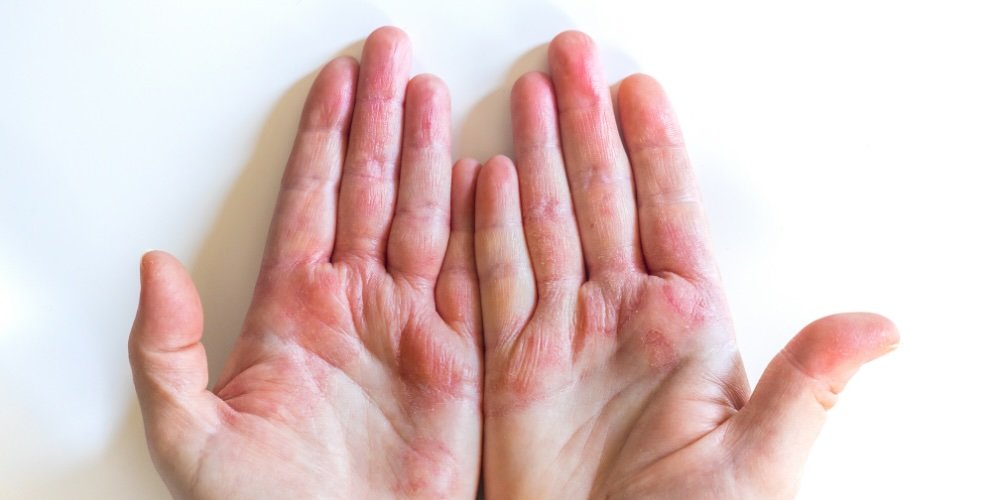
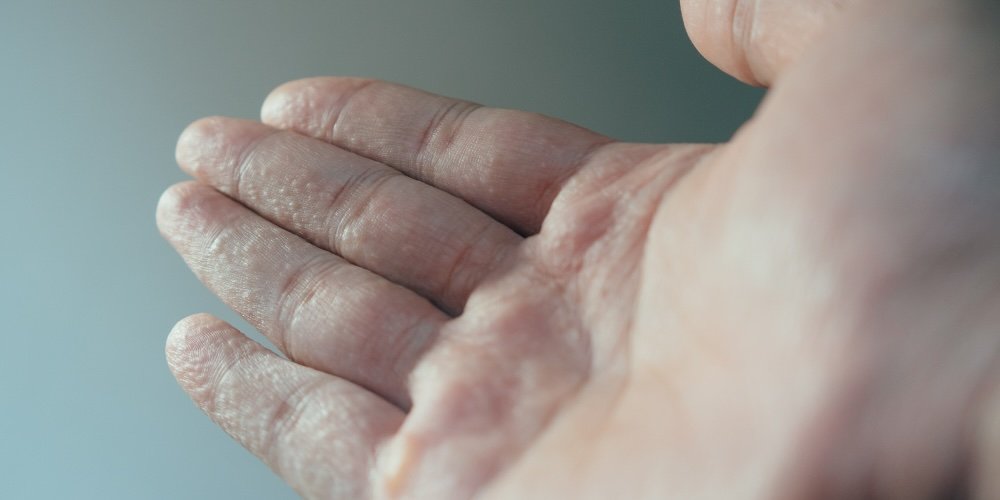
Pompholyx, also called dyshidrotic eczema or vesicular hand and foot eczema, is a type of eczema characterised by crops of tiny, deep-seated blisters (vesicles) on the palms, the sides of the fingers and sometimes the soles of the feet. The blisters are usually very itchy and can be tender.
It isn’t contagious, and despite the older name “dyshidrotic,” it isn’t actually caused by blocked sweat glands. It’s an eczematous (inflammatory) skin reaction, often in people who are prone to eczema, sensitive skin or allergies.
What does pompholyx look like?
A typical flare follows a pattern:
- Itch first, often before anything is visible.
- Small, clear, fluid-filled blisters appear, frequently along the sides of the fingers — sometimes described as looking like tapioca.
- Over one to three weeks the blisters dry out, leaving peeling, cracking and flaky skin.
- Flares can recur, and in some people the skin becomes thickened over time.
Severe or widespread blistering, signs of infection (increasing pain, redness, pus, warmth) or skin that won’t heal should be assessed promptly.
What causes and triggers pompholyx?
The exact cause isn’t fully understood, but flares are usually driven by a combination of an underlying tendency to eczema plus external triggers, including:
- Stress — one of the most commonly reported triggers.
- Sweating and heat — flares are often worse in warm weather.
- Irritants — frequent hand washing, detergents, soaps and solvents.
- Contact allergens — Fragrances or preservatives in some people.
- Moist occlusion — hands kept damp inside gloves, or feet in non-breathable footwear.
- Fungal infections — athlete’s foot can paradoxically trigger pompholyx eczema on the hands and feet
Identifying and reducing your personal triggers is one of the most effective long-term strategies.
How is pompholyx diagnosed?
A dermatologist can usually diagnose pompholyx from its appearance and pattern. Where a contact allergy is suspected, particularly if flares keep recurring, an allergy test can identify specific allergens to avoid. If the picture is atypical, a swab or skin scraping may be taken to rule out infection or a fungal cause, which can look similar on the feet.
How to Treat Pompholyx Eczema
The goal of treatment is to reduce inflammation, relieve itching, allow the blisters to heal, and prevent future flare-ups.
During a Pompholyx Flare
- Anti-inflammatory creams and ointments for dyshidrotic eczema
Most pompholyx flare-ups require treatment with prescription anti-inflammatory medications. These may include topical corticosteroids, such as mometasone, or steroid-sparing treatments such as Protopic® (tacrolimus) ointment. These medications help calm the immune response in the skin and reduce redness, itching, and blistering. - Treat any underlying fungal infection
If pompholyx is affecting the feet, your dermatologist may recommend an antifungal cream to treat conditions such as athlete’s foot, which can sometimes trigger or worsen flare-ups. - Moisturise regularly
Using a fragrance-free moisturiser several times a day helps repair the skin barrier, reduce dryness, and support healing. Consistent moisturising is an important part of both treatment and prevention.
Preventing Future Pompholyx Flare-Ups
- Avoid hot water
Hot water can strip the skin of its natural oils and worsen irritation. Wash your hands with lukewarm water whenever possible. - Avoid harsh soaps and detergents
Frequent exposure to soaps, cleaning products, and detergents can aggravate pompholyx eczema. Consider wearing protective gloves when cleaning and choose gentle, soap-free cleansers where possible. - Choose fragrance-free skincare products
Fragrances are a common source of skin irritation. Using fragrance-free moisturisers, hand washes, and skincare products can help reduce the risk of future flare-ups.
Because pompholyx eczema tends to recur, ongoing skincare and trigger avoidance are often just as important as treating active flare-ups.
Frequently Asked Questions in Clinic
What causes pompholyx eczema?
The exact cause of pompholyx eczema isn’t fully understood, but flare-ups are often linked to triggers such as stress, sweating, allergies, irritants, and a history of eczema or other allergic conditions.
Is pompholyx eczema contagious?
No, pompholyx eczema is a form of eczema and not an infection, so it cannot be passed from one person to another through contact.
Is pompholyx caused by sweating?
Not directly, but heat and sweating can trigger flare-ups in some people, but the blisters themselves are caused by inflammation within the skin rather than blocked sweat glands, despite the older name “dyshidrotic eczema.”
Should I pop pompholyx blisters?
No, bursting the blisters can damage the skin, increase the risk of infection, and slow the healing process. It’s best to keep the area moisturised and follow your dermatologist’s treatment plan.
How long does a pompholyx flare last?
A typical pompholyx flare lasts around two to three weeks. The blisters usually dry out before the skin peels and heals, although appropriate treatment can help reduce symptoms and speed recovery.
Will pompholyx eczema go away permanently?
Pompholyx eczema is often a recurring condition, meaning symptoms can come and go over time. However, many people are able to achieve good long-term control by identifying triggers, protecting the skin barrier, and treating flare-ups promptly.