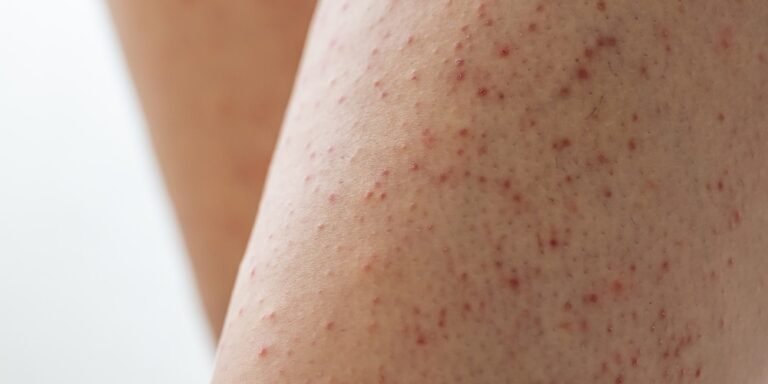
A cystic pimple is one of the most frustrating types of acne. Unlike whiteheads and blackheads, cystic pimples develop deeper within the skin, creating a painful, swollen lump that can take weeks to resolve. Because the inflammation occurs beneath the skin’s surface, these spots are also more likely to leave behind dark marks or acne scars even if they are not picked or squeezed.
The good news is that there are effective ways to reduce inflammation, speed healing, and minimise the risk of scarring. In this dermatologist guide, Dr Derrick Phillips explains what causes cystic pimples, the best at-home treatments, and when it’s time to seek professional help.
What Is a Cystic Pimple?
A cystic pimple is a deep, inflamed acne lesion that develops when a pore becomes blocked with oil, dead skin cells, and bacteria. Unlike whiteheads and blackheads, which sit closer to the skin’s surface, cystic pimples form deeper within the skin, creating a large, swollen lump that is often painful to the touch.
Common signs of a cystic pimple include:
- Pain or tenderness
- Swelling beneath the skin
- Redness and inflammation
- No visible whitehead or “head”
- A tendency to persist for days or even weeks
Because the inflammation occurs deep within the skin, cystic pimples often feel sore or throbbing and carry a greater risk of post-inflammatory pigmentation and acne scarring than other types of acne.
This depth is also why squeezing a cystic pimple rarely works. Unlike a surface blemish, there is often no material that can be safely extracted. Attempting to pop a cystic pimple can push inflammation deeper into the skin, making the spot larger, more painful, and more likely to leave a lasting mark.
Could Your Cystic Pimples Be Hormonal?
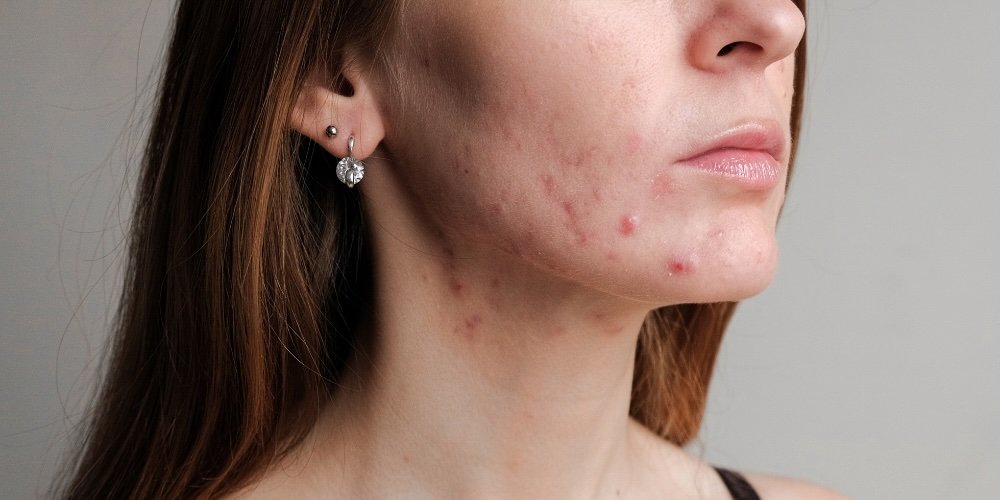
Hormonal acne is one of the most common causes of recurrent cystic pimples in adults, particularly women. These breakouts are often driven by fluctuations in hormones that increase oil production and inflammation within the skin.
Signs that your acne may be hormonal include:
- Deep, painful cystic pimples
- Breakouts concentrated around the chin, jawline, or lower cheeks
- Acne that worsens around your menstrual cycle
- Persistent acne despite using over-the-counter treatments
- Adult-onset acne that develops after stopping birth control
While topical treatments such as benzoyl peroxide and salicylic acid can help manage individual spots, hormonal acne often requires a different treatment approach.
One commonly prescribed option is spironolactone, a medication that helps reduce the effects of androgens (hormones that stimulate oil production) on the skin. For many women with hormonal acne, spironolactone can significantly reduce the frequency and severity of cystic breakouts.
If you suspect your acne is hormonal, a dermatologist can help determine the underlying cause and recommend the most appropriate treatment plan.
How to Treat a Cystic Pimple at Home
Step 1: Use a Gentle Cleanser
Start with a gentle cleanser that helps support the skin barrier while removing excess oil and impurities.
A cleanser containing niacinamide, such as CeraVe, can help calm inflammation and support overall skin health without stripping the skin.
Step 2: Apply a Targeted Acne Treatment
The best treatment depends on the type of acne lesion you’re dealing with.
For inflamed cystic pimples:
A 5% benzoyl peroxide treatment, such as Acnecide, can help reduce acne-causing bacteria and inflammation.
For whiteheads and blackheads:
A salicylic acid treatment can help dissolve excess oil and dead skin cells within the pore. Products containing salicylic acid, such as those from The Ordinary, are particularly helpful for comedonal acne.
For active spots:
Pimple patches can help protect the area from touching and picking while creating an environment that supports healing. Dr Phillips recommends the CeraVe Pimple Patches.
Step 3: Moisturise
Many people skip moisturiser when they have acne, but this can actually make irritation worse.
Apply a lightweight, non-comedogenic moisturiser after treatment to help maintain the skin barrier and reduce dryness caused by acne medications.
What’s the Fastest Way to Get Rid of a Cystic Pimple in Clinic?
If you have a large, painful cystic pimple and need it gone as quickly as possible, the fastest treatment is often a cortisone injection performed by a dermatologist.
Also known as an intralesional steroid injection, this treatment involves injecting a small amount of anti-inflammatory medication directly into the cyst. The injection rapidly reduces inflammation, swelling, and tenderness, often causing the spot to flatten significantly within 24 to 72 hours.
Cortisone injections can be particularly helpful when:
- A cystic pimple is large or painful
- An important event is approaching
- The spot is unlikely to respond quickly to over-the-counter treatments
- There is a risk of scarring
While cortisone injections can dramatically improve an individual cystic pimple, they are not a long-term solution for recurrent acne. If you frequently develop cystic breakouts, it’s important to address the underlying cause with an appropriate acne treatment plan.
What Not to Do with a Cystic Spot
Don’t Pop a Cystic Pimple
One of the biggest mistakes people make is trying to squeeze a cystic pimple.
Because these spots sit deep beneath the skin, squeezing often pushes inflammation further into the surrounding tissue. This can increase swelling, prolong healing, and significantly raise the risk of scarring and post-inflammatory hyperpigmentation.
Avoid Heavy Makeup
Heavy or occlusive makeup products can make acne worse by trapping oil and increasing pore congestion. If you wear makeup, choose non-comedogenic formulations and remove them thoroughly at the end of the day.
You can also try a blemish spot to cover the acne and apply makeup over it.
Frequently Asked Questions
What causes cystic pimples?
Cystic pimples develop when a pore becomes blocked with oil, dead skin cells, and bacteria, leading to inflammation deep within the skin. Hormones, genetics, and increased oil production are common contributing factors.
What’s the fastest way to get rid of a cystic pimple?
A benzoyl peroxide or salicylic acid treatment can help reduce inflammation, but the fastest professional option is often a cortisone injection administered by a dermatologist.
Should I pop a cystic pimple?
Squeezing a cystic pimple can worsen inflammation, increase the risk of infection, and make scarring more likely. It is highly recommended to use a pimple patch vs. popping.
How long does a cystic pimple last?
Without treatment, a cystic pimple can persist for several days or even weeks. Appropriate treatment can help shorten healing time and reduce discomfort.
Can cystic pimples leave scars?
Yes, cystic acne causes inflammation deep within the skin and carries a higher risk of permanent scarring than milder forms of acne.
Can stress cause cystic acne?
Stress does not directly cause acne, but it can trigger or worsen breakouts. Increased stress is associated with higher cortisol levels, which can stimulate oil production and promote inflammation, creating an environment that makes acne more likely to flare.
Why do I keep getting cystic pimples on my chin?
Recurring cystic pimples around the chin and jawline are commonly associated with hormonal acne, commonly seen in women. Learn more about hormonal acne here.
Can cystic acne go away on its own?
Some cystic pimples will eventually resolve without treatment, but they often take weeks to heal and are more likely to leave behind pigmentation or scars.