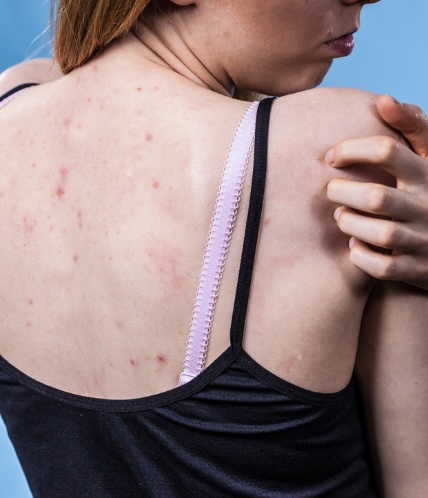
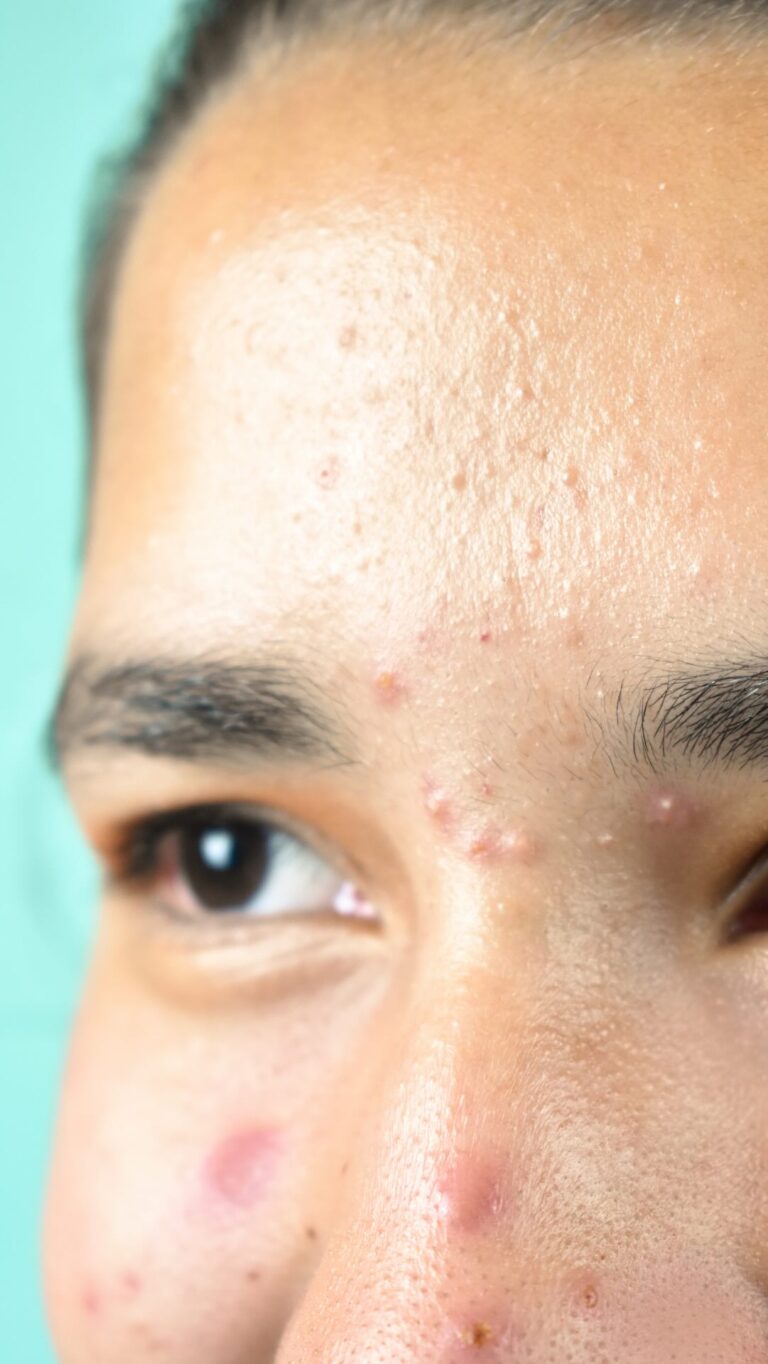
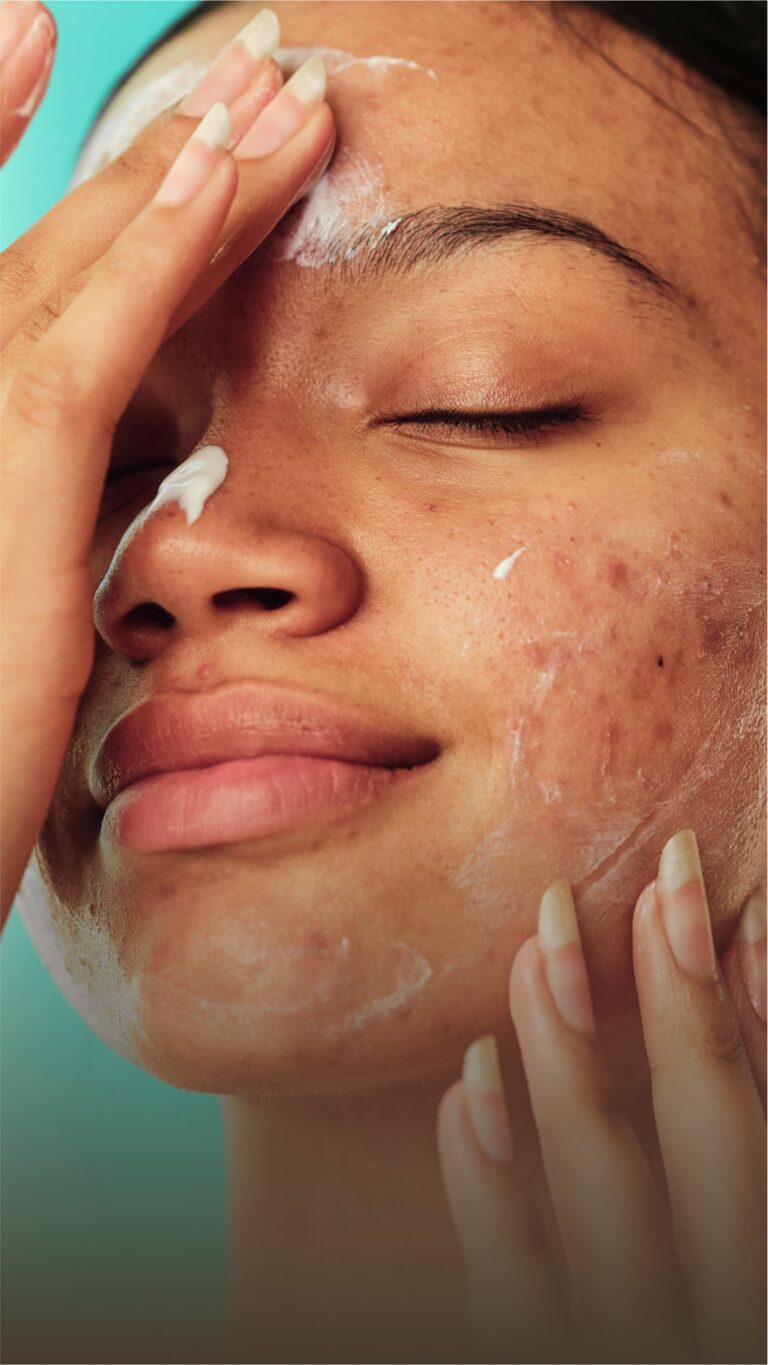
Post-inflammatory erythema, often called PIE, describes the flat pink, red or purple marks that acne leaves behind once a spot has healed. It is a common concern many patients have in clinic, often being confused with acne scars, but they are not. They are caused by inflammation and damage to the small blood vessels near the surface of the skin, which is why they respond to very different treatments.
This guide explains what causes post-inflammatory erythema and dermatologist recommended treatment from anti-inflammatory creams to laser and IPL, which remain the gold standard for fading stubborn redness.
What Is Post-Inflammatory Erythema?
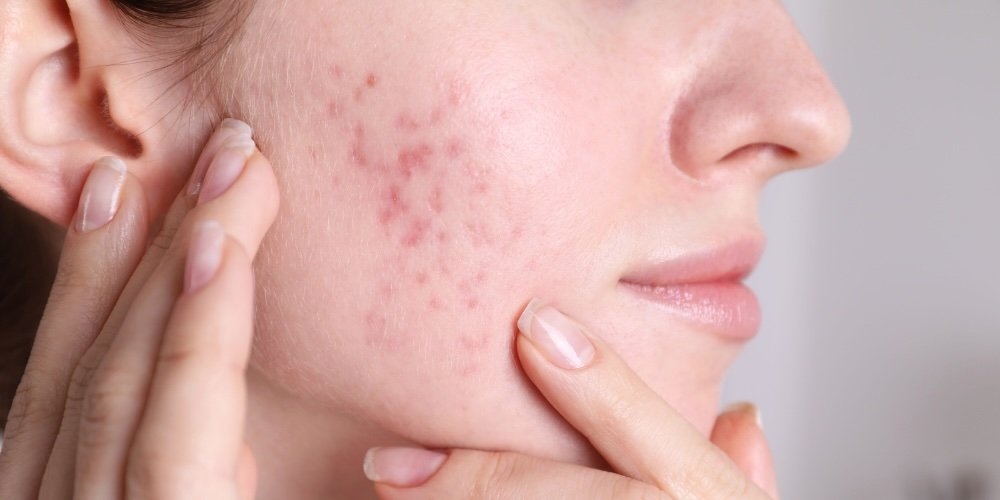
Post-inflammatory erythema is persistent redness that remains after an inflamed spot has healed. When a spot becomes inflamed, the tiny blood vessels (capillaries) around it widen and can become damaged. Once the spot settles, those vessels do not always return to normal straight away, and the result is a flat red or pink mark that can last for weeks or months.
In this video, you’ll notice how PIE looks versus typically acne scarring. This is an important distinction, because true acne scars involve changes to collagen and the texture of the skin, while PIE does not. Knowing which one you have determines both the treatment and the outlook.It is also sometimes referred to as exfoliative keratolysis or focal palmar peeling.
How PIE Differs From Acne Scars:
- Caused by damaged blood vessels, not by changes to collagen
- Flat and smooth to the touch, with no dip or raised edge
- Pink, red or purple in colour, rather than skin-coloured or white
- Often fades or lightens when you press on it
- Usually improves on its own over time
- Responds to anti-inflammatory creams, lasers and IPL rather than collagen-remodelling treatments
| Feature | Post-inflammatory erythema (PIE) | Post-inflammatory hyperpigmentation (PIH) | Acne scars |
|---|---|---|---|
| Colour | Pink, red or purple | Brown, grey or dark brown | Skin-coloured, pink or white |
| Texture | Flat | Flat | Indented or raised |
| Cause | Damaged small blood vessels | Excess pigment (melanin) | Changes to collagen |
| More common in | Fairer skin tones | Darker skin tones | All skin tones |
| Fades on its own? | Usually, over months | Usually, over months to years | No |
| Treatment focus | Calm redness, target blood vessels | Reduce pigment, sun protection | Remodel collagen |
If the skin is indented or raised, you are more likely dealing with acne scarring, and this acne scar treatment guide will be more helpful. If your marks are brown rather than red, they are more likely to be post-inflammatory hyperpigmentation, which is caused by excess pigment rather than blood vessels.
What Causes Post-Inflammatory Erythema?
Several factors make it more likely to appear, or to last longer once it has formed.
1. Inflamed Spots
Red papules, pustules and deeper nodules all release inflammatory chemicals into the surrounding skin. These cause nearby blood vessels to widen, and the deeper and longer-lasting the spot, the more likely it is to leave a red mark behind.
2. Picking and Squeezing
Picking at spots adds extra trauma to skin that is already inflamed. This deepens the damage to the surrounding blood vessels and makes marks both more likely and slower to fade. Try using blemish patches to avoid damaging the skin around the spot.
3. Untreated or Undertreated Acne
When acne is not under control, new marks keep appearing as older ones fade. Many patients feel their red marks are never improving, when in reality the problem is that new spots are still forming.
4. Irritating Skincare
Over-exfoliating, harsh cleansers and using too many active ingredients at once keep the skin in a constant state of irritation, which can make redness more noticeable and slower to settle.
5. Sun Exposure
Unprotected sun exposure can make red marks more visible and can prolong the time they take to fade.
Who Gets Post-Inflammatory Erythema?
Post-inflammatory erythema can affect anyone who has had inflammator acne, but it is more common in people with fairer skin. In darker skin tones, the same inflammation is more likely to trigger extra pigment, which shows up as brown or dark marks instead.
Many people have both types of marks at the same time. In darker skin, PIE can also appear more purple or dusky, which means it is easily mistaken for pigmentation. This matters when choosing treatment, because the wrong laser or light setting on darker skin can trigger new pigmentation, so an accurate assessment always comes first.
How to Identify Post-Inflammatory Erythema
A dermatologist diagnosis is ideal, but these features strongly suggest PIE:
- Flat red, pink or purple marks where spots used to be
- Skin that feels completely smooth over the mark
- Redness that fades briefly when pressed with a finger or clear glass
- Marks that appear after inflamed spots rather than blackheads or whiteheads
- Marks that gradually lighten over weeks or months
If your marks have been present for many months, or you are unsure whether they are PIE, pigmentation or scarring, we recommend booking a consultation so the right treatment can be started from the beginning.
How to Treat Post-Inflammatory Erythema in London
Most post-inflammatory erythema fades on its own with time, so treatment is not always necessary. If the marks are bothering you, however, there are effective ways to speed up that process.
Treatment focuses on two things: calming inflammation in the skin and targeting the damaged blood vessels that cause the redness.
1. Treating Active Acne First
There is little point treating red marks while new spots are still forming. Getting acne under control is always the first step, because it stops new marks from appearing. If traditional acne treatments are not working, Dr Phillips also offers the AviClear Laser for Acne.
Visit our Acne Treatment page to learn more about Dr Phillips’ approach to healing acne.
2. Anti-Inflammatory Creams
Prescription anti-inflammatory creams, such as pimecrolimus or tacrolimus, have some evidence for reducing post-acne redness. They work by calming inflammation in the skin without the thinning risk associated with steroid creams. They are used off-label for this purpose, so they should be started under the guidance of a dermatologist.
Other topical options, including tranexamic acid and brimonidine, are also being studied for post-acne redness and may be recommended in some cases.
3. Laser and IPL Treatment (The Gold Standard)
Laser and intense pulsed light (IPL) devices remain the gold standard for treating post-inflammatory erythema. They work by targeting haemoglobin, the red pigment in blood, inside the damaged vessels. The light energy is converted into heat, which seals the vessels so the body can clear them away and the redness fades. A systematic review of post-acne erythema treatments found that light and laser devices were the most widely used and studied options.
Most patients need a short course of treatments spaced a few weeks apart, and there is little to no downtime. Dr Phillips uses IPL, the Lutronic Derma V vascular laser and the Stellar M22, with settings tailored carefully to each patient’s skin tone.
Preventing New Red Marks From Forming
The most effective way to prevent post-inflammatory erythema is to reduce inflammation early and avoid adding further trauma to the skin. This means treating acne consistently rather than waiting for severe flares, and resisting the urge to pick or squeeze spots.
A gentle, non-comedogenic skincare routine and a broad-spectrum SPF 30 or higher every day will also help marks fade more quickly. Deep or painful spots, such as cystic pimples, are worth treating early, as these are the most likely to leave marks behind.
How Long Does Post-Inflammatory Erythema Take to Fade?
Most patients notice improvement within:
- Several months without treatment, as the blood vessels gradually recover
- A shorter timeframe with prescription anti-inflammatory creams
- A few sessions of laser or IPL, with results building after each treatment
- Marks from deeper spots and marks on fairer skin may take longer to settle
Consistent acne treatment and avoiding picking are key to making sure marks fade and new ones do not replace them.
Frequently Asked Questions in Clinic
Are red marks after acne the same as acne scars?
No, flat red marks after acne are usually post-inflammatory erythema, which is caused by damaged blood vessels near the surface of the skin. Acne scars involve changes to collagen and leave the skin indented or raised, while PIE leaves the skin texture smooth.
How long does post-inflammatory erythema last?
Most PIE fades gradually over several months without treatment. Marks from deeper spots, or on fairer skin, can take longer. Treating active acne and avoiding picking gives marks the best chance to fade.
What is the difference between PIE and PIH?
PIE is pink, red or purple and is caused by blood vessels, while post-inflammatory hyperpigmentation (PIH) is brown or dark and is caused by excess pigment. PIE is more common in fairer skin, and PIH is more common in darker skin tones. The two are treated differently, which is why an accurate diagnosis matters.
Can skincare products get rid of red acne marks?
Gentle, non-irritating skincare and daily SPF can help marks settle, but over-the-counter products have limited effect on the blood vessels that cause PIE. Prescription anti-inflammatory creams, and particularly laser and IPL, are more effective for persistent redness.
Is laser or IPL treatment for PIE safe for darker skin?
It can be, but settings must be chosen carefully, as light-based treatments can trigger pigment changes in darker skin. An assessment with an experienced dermatologist before treatment makes sure the right device and settings are used for your skin tone.
How many laser or IPL sessions will I need for PIE?
Most patients need a short course of treatments spaced a few weeks apart, with improvement building after each session. The exact number depends on how extensive and long-standing the redness is, which is assessed at your consultation.
Author: Dr Derrick Phillips, Consultant Dermatologist, MBBS BSc (HONS) FRCP (Dermatology)
Last reviewed: October 2026