

What the LaseMD Ultra treats
Dullness and uneven tone
Helps restore a brighter, more radiant and even-looking complexion.
Fine lines and early ageing
Encourages collagen renewal to improve the appearance of early signs of ageing.
Sun damage and superficial pigmentation
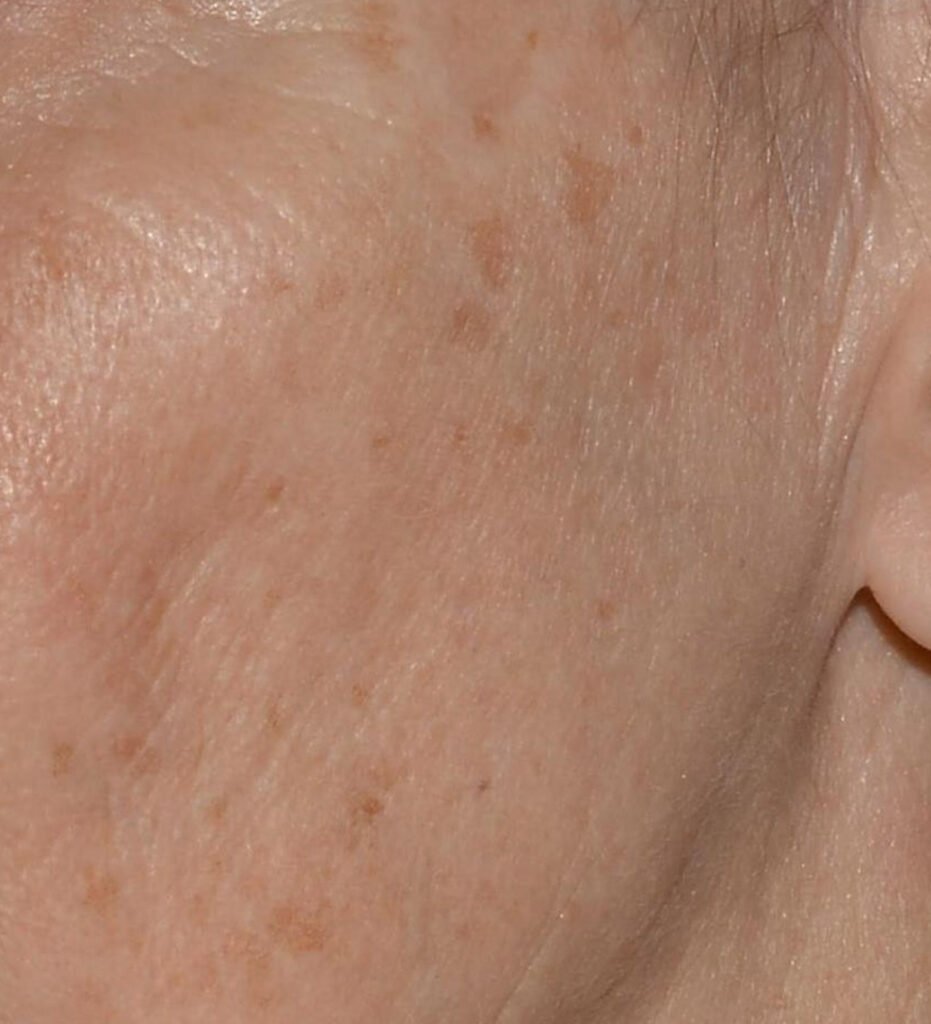
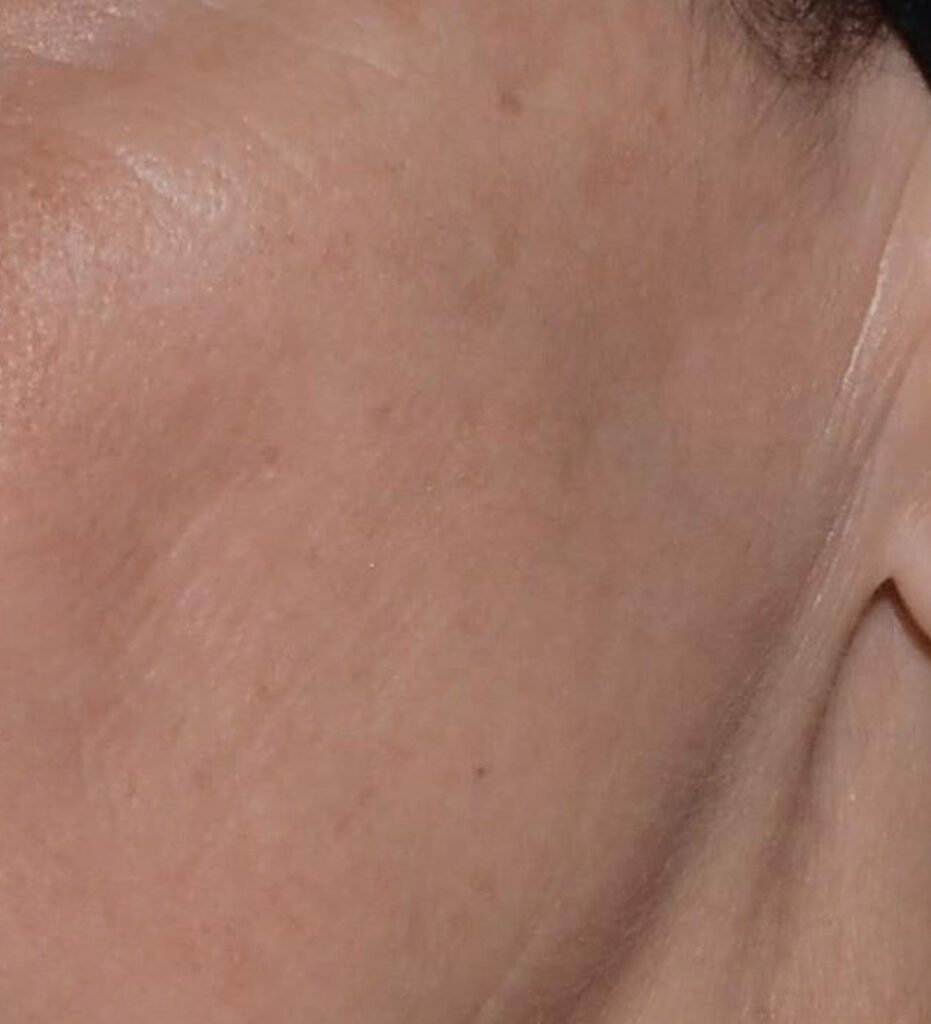
Helps reduce the appearance of surface pigmentation and sun damage.
Texture and superficial scarring
Refines uneven texture and improves the appearance of superficial scars.
Overall skin quality and glow
Refreshes the skin for a smoother, healthier-looking glow.
How it works
By stimulating controlled micro-injury and collagen renewal — and, optionally, driving in active serums via laser-assisted delivery — the LaseMD Ultra refreshes the skin progressively. It is gentle enough for a "lunchtime" rejuvenation yet adjustable for more intensive treatment.
What to expect during treatment
A short course is usual for cumulative results. Numbing cream is applied beforehand; the treatment feels warm with a mild prickling sensation, eased by cooling.
Downtime and aftercare
Downtime is short — typically redness and a sandpaper texture for one to three days, followed by light flaking. Sun protection is essential during recovery.
When will I see results?
Skin often looks brighter within a week, with texture and firmness improving over subsequent weeks as collagen rebuilds. A course gives the most noticeable, lasting change.
Within a week
Texture and firmness
Improvements continue as collagen rebuilds, with a course providing the most noticeable change.
Over subsequent weeks
Brighter-looking skin
Skin often begins to look brighter as the initial recovery settles.
Within a week
Brighter-looking skin
Skin often begins to look brighter as the initial recovery settles.
Over subsequent weeks
Texture and firmness
Improvements continue as collagen rebuilds, with a course providing the most noticeable change.
Suitability and skin of colour
Non-ablative lasers are generally better tolerated across skin tones than ablative options, but settings still need to be matched to your skin to avoid pigment change. Dr Phillips's experience with skin of colour informs every parameter choice.
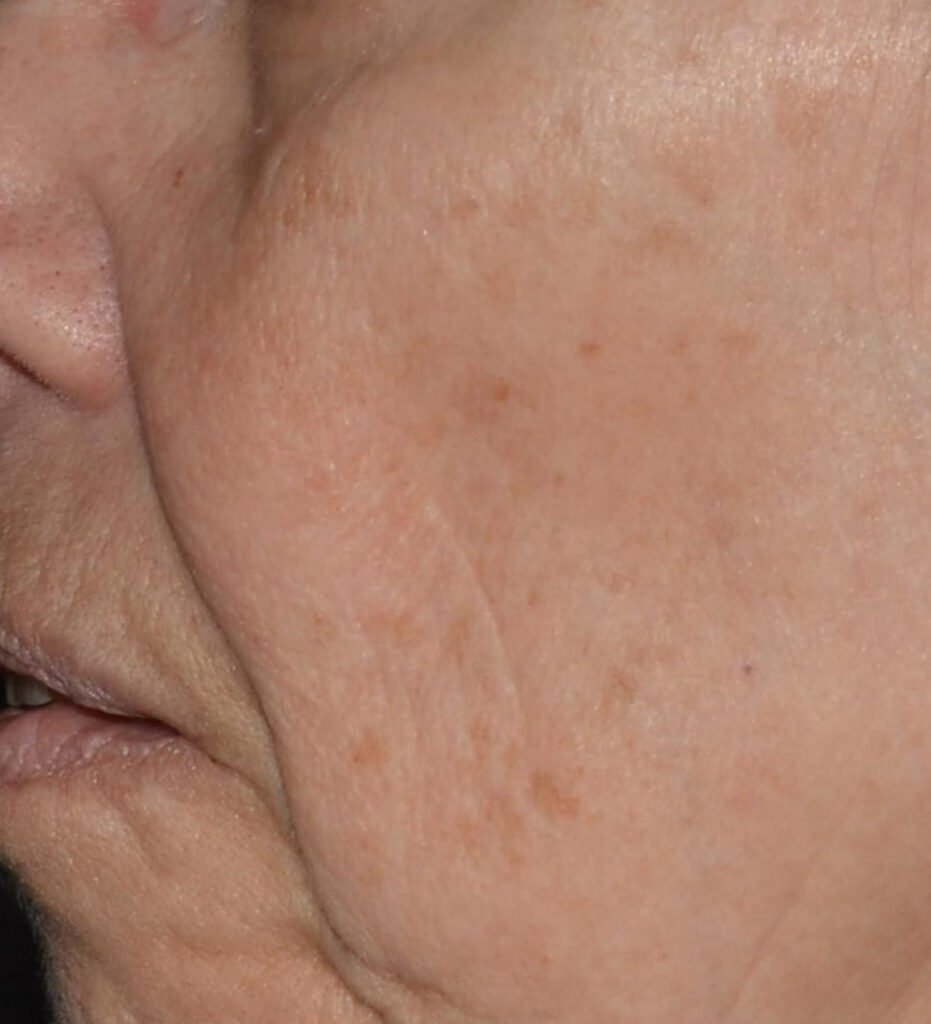
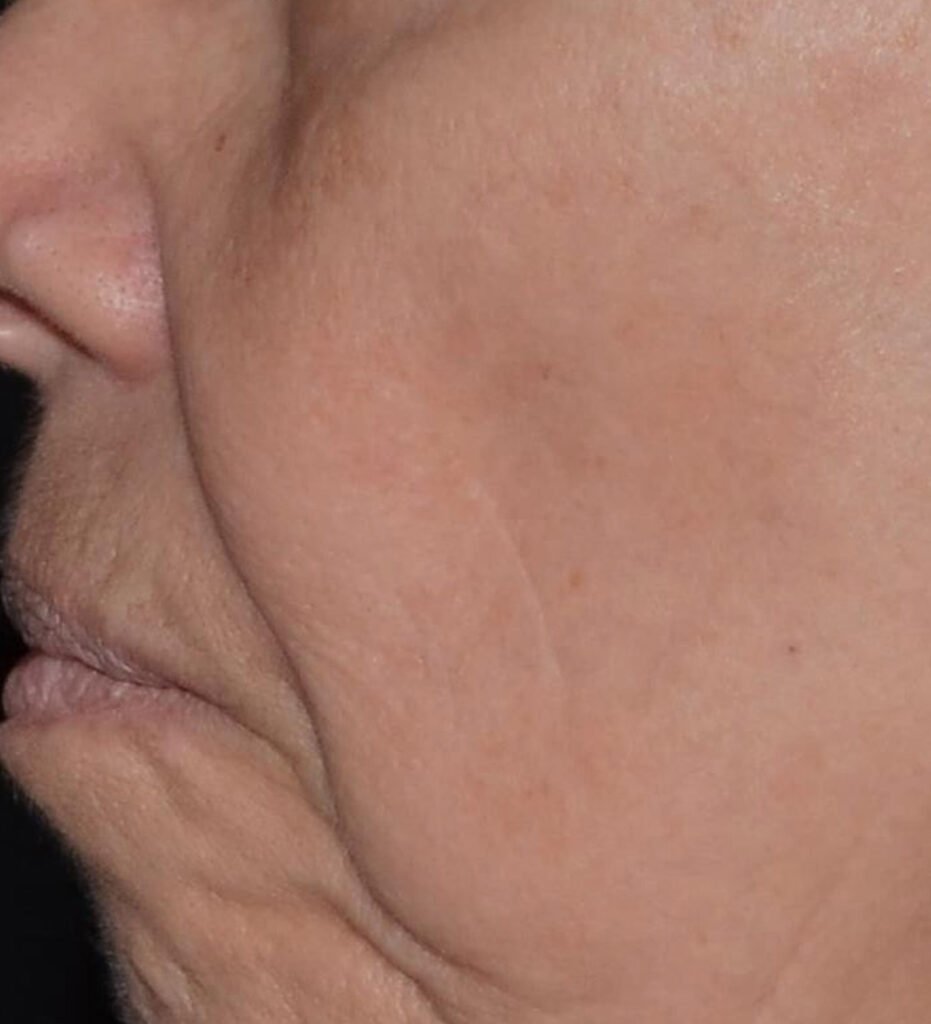
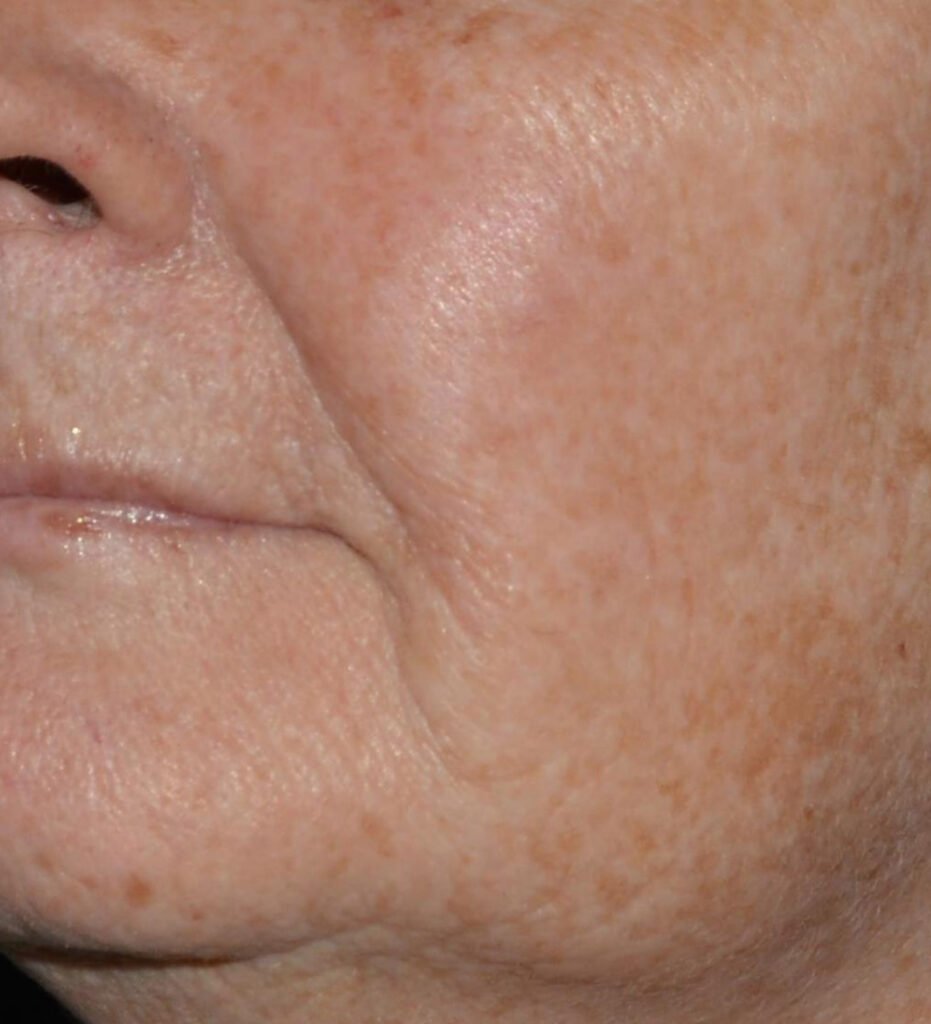
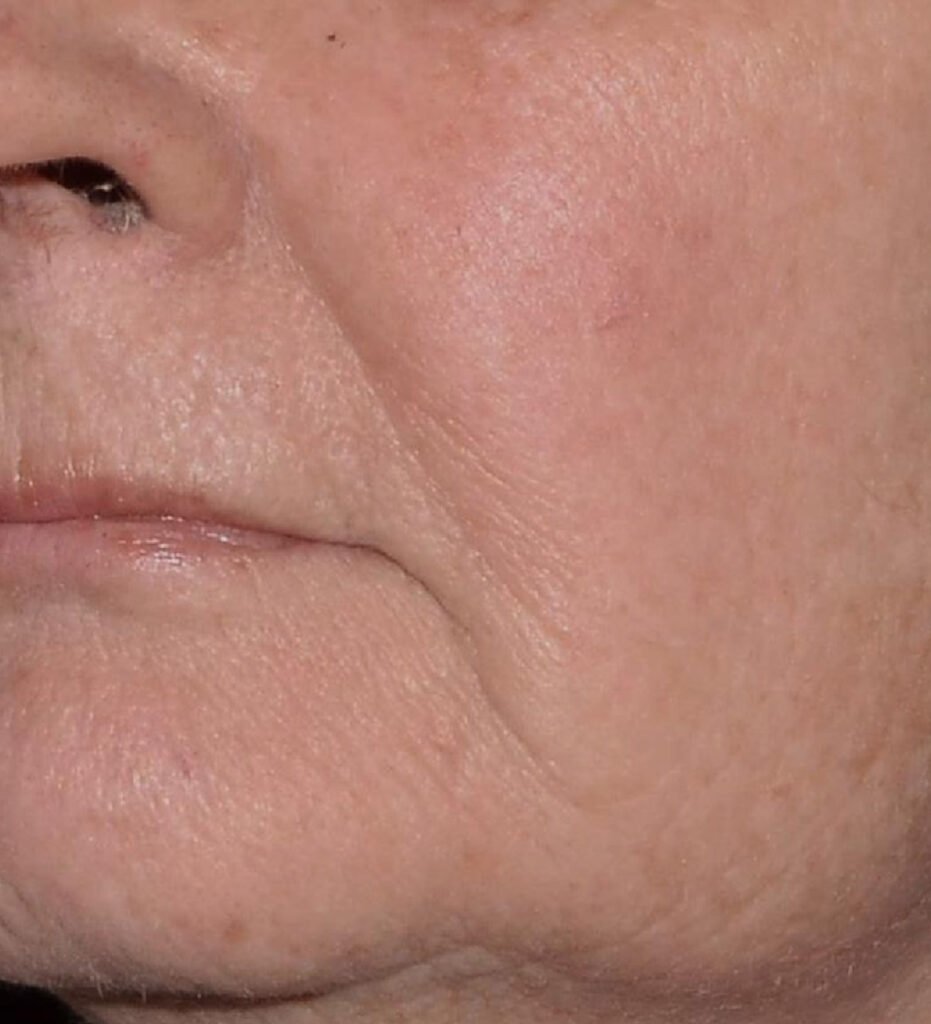
Before and after:
LaseMD Ultra results
Why choose Dr Derrick Phillips for UltraClear in London
The UltraClear's versatility is only an advantage in experienced hands — the same device can deliver a featherlight polish or a deeper resurfacing, and choosing correctly is a clinical decision. As a Consultant Dermatologist, Dr Phillips diagnoses the underlying concern first, sets the laser to match, and positions UltraClear within a wider plan for skin health rather than offering it as a one-size-fits-all treatment. His particular expertise in treating skin of colour informs every parameter choice.