
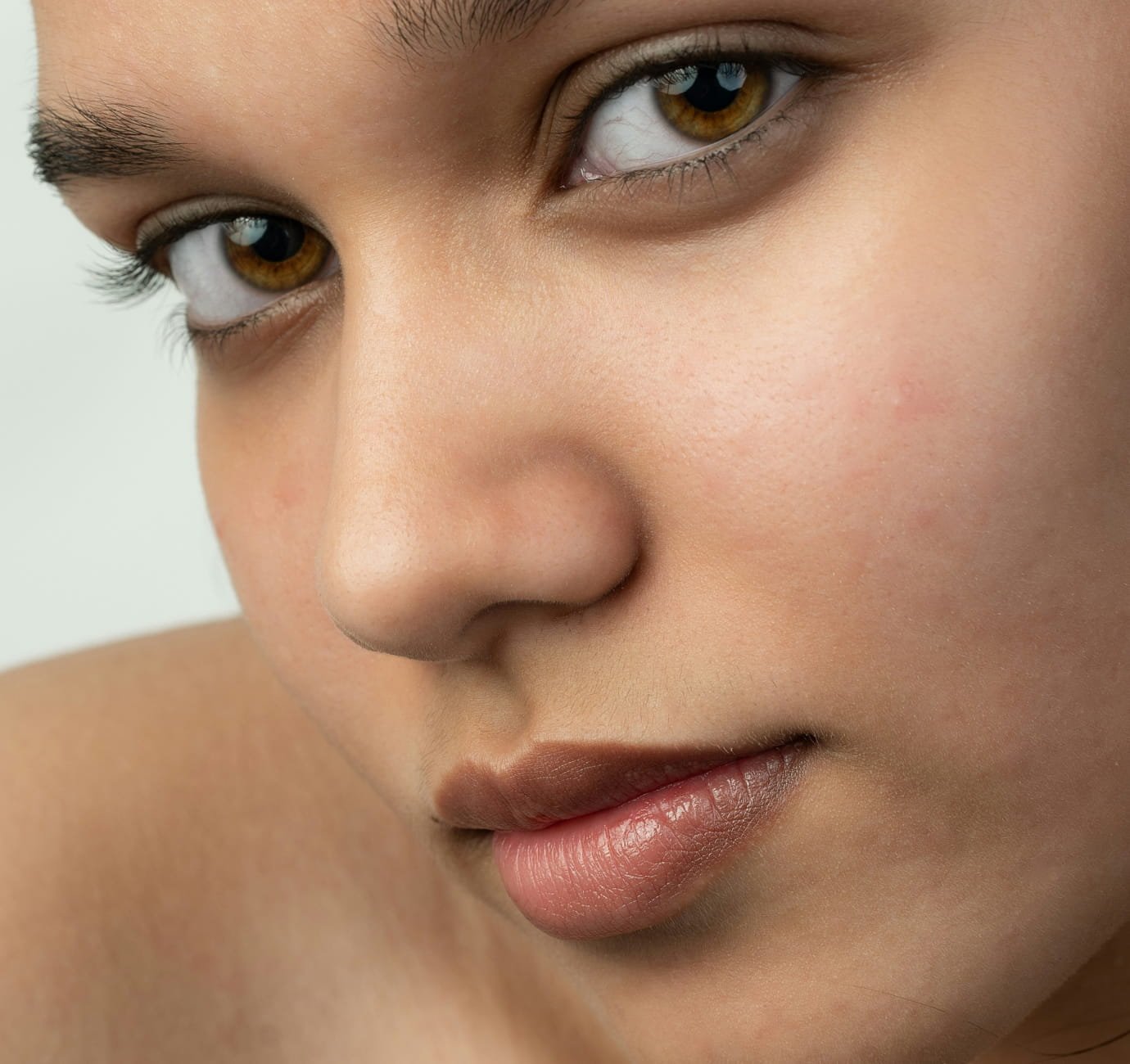
What PicoWay treats
Pigmentation
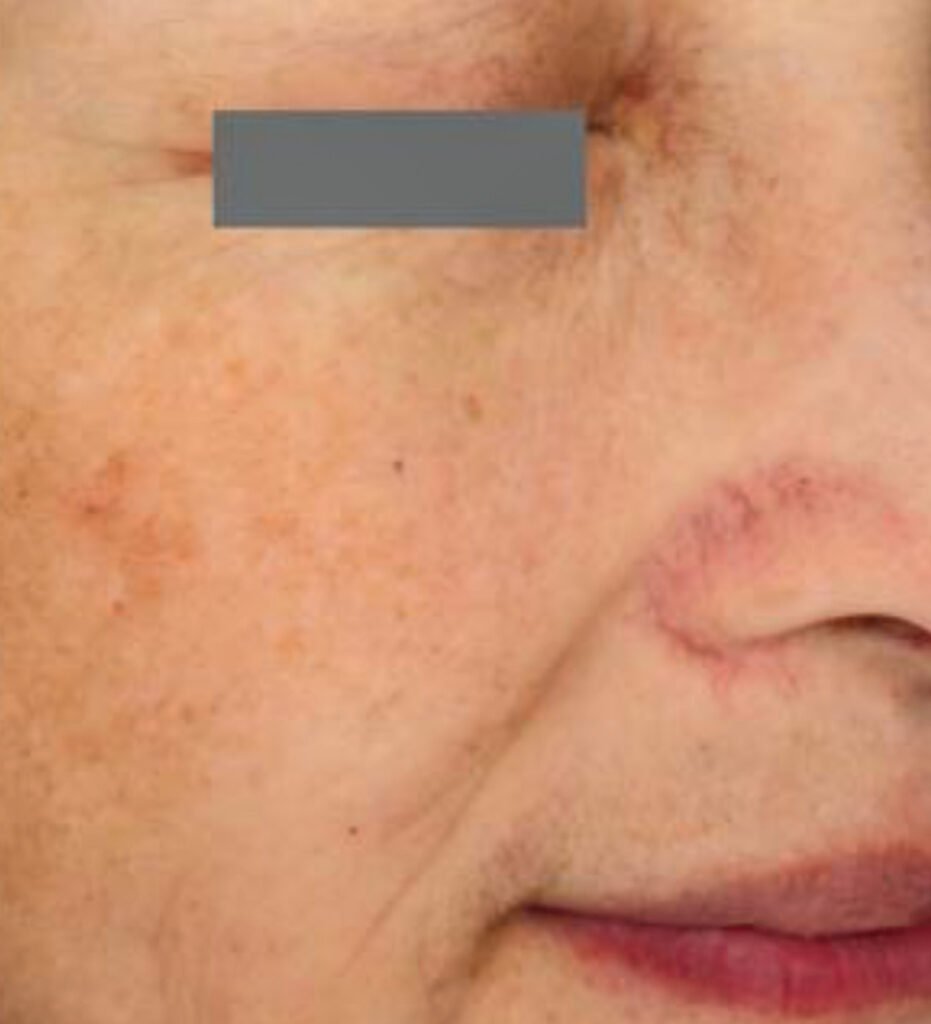
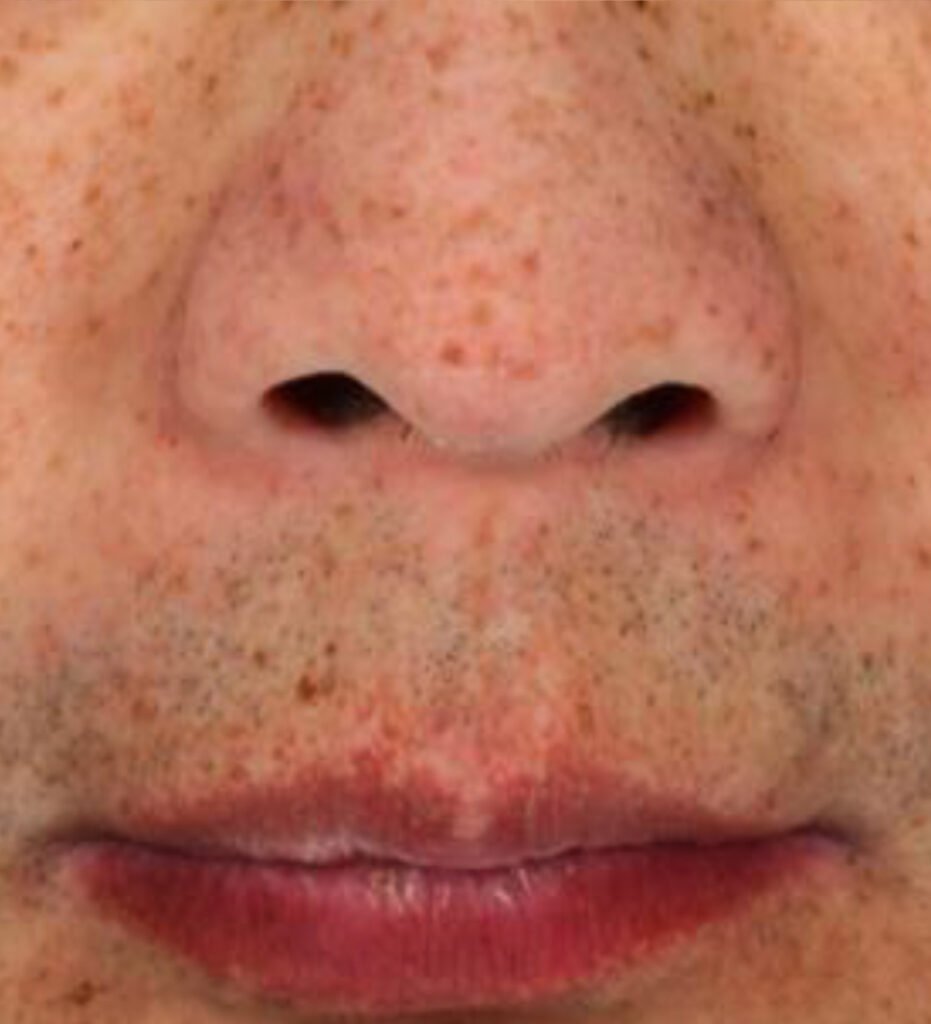
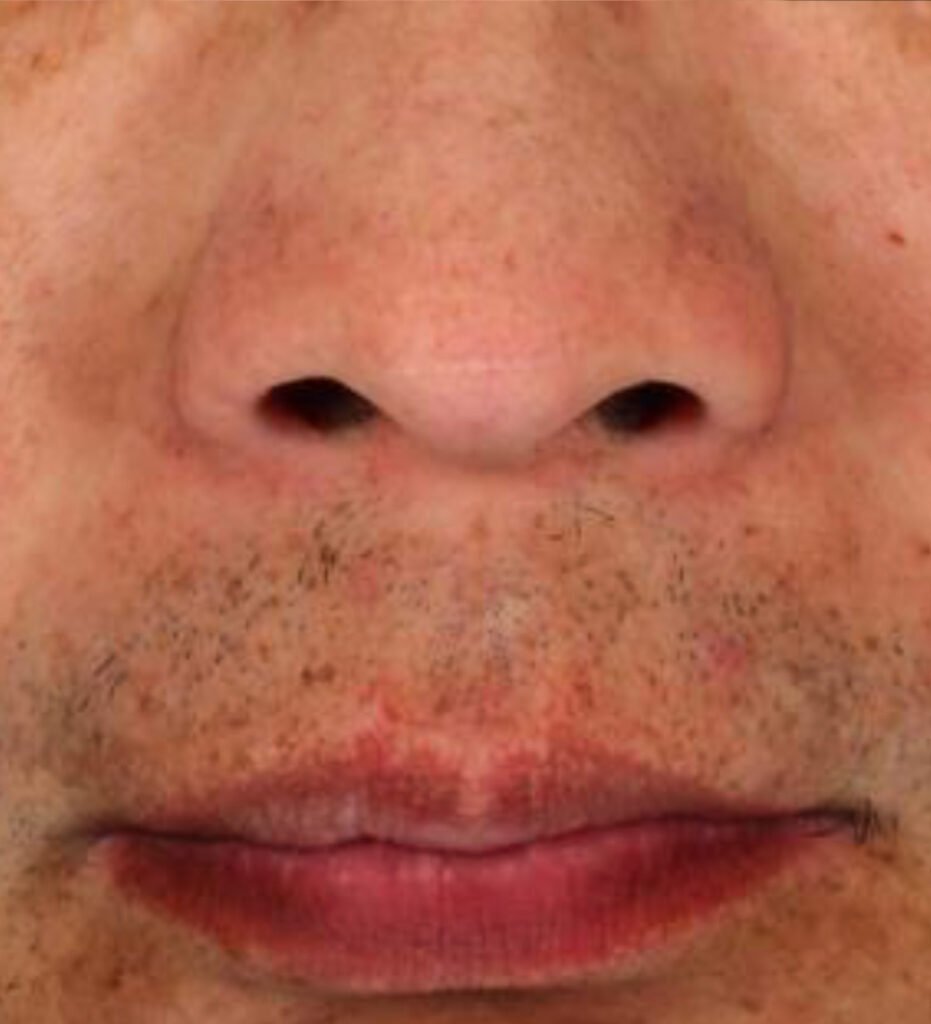
Sun spots, age spots and uneven tone.
Melasma
Selected cases, treated with cautious settings.
Tattoo removal
Treatment for multiple ink colours.
Acne scars and texture
Treatment using fractional handpieces.
Overall skin tone and clarity
Treatment for overall skin tone and clarity.
How it works
PicoWay's ultra-short pulses fragment pigment and ink into very fine particles that the body clears more readily, while limiting heat spread to surrounding skin — the basis of its efficiency and tolerability.
What to expect during treatment
Treatment feels like quick, sharp pulses, eased by cooling and, where needed, numbing cream. Sessions are short; the number depends on the concern.
Downtime and aftercare
Downtime is generally minimal — brief redness or mild swelling, with diligent sun protection essential afterwards.
When will I see results?
Pigment and tattoo results build progressively over a course; many patients see meaningful clearance within a few sessions.
Progressively over a course
Many patients see meaningful clearance.
Within a few sessions
Pigment and tattoo results build progressively over a course
Progressively over a course
Pigment and tattoo results build progressively over a course
Within a few sessions
Many patients see meaningful clearance.
Suitability and skin of colour
PicoWay can be appropriate for a range of skin tones, but pigmentation and melasma in skin of colour still require expert, conservative parameter selection — an area in which Dr Phillips specialises.
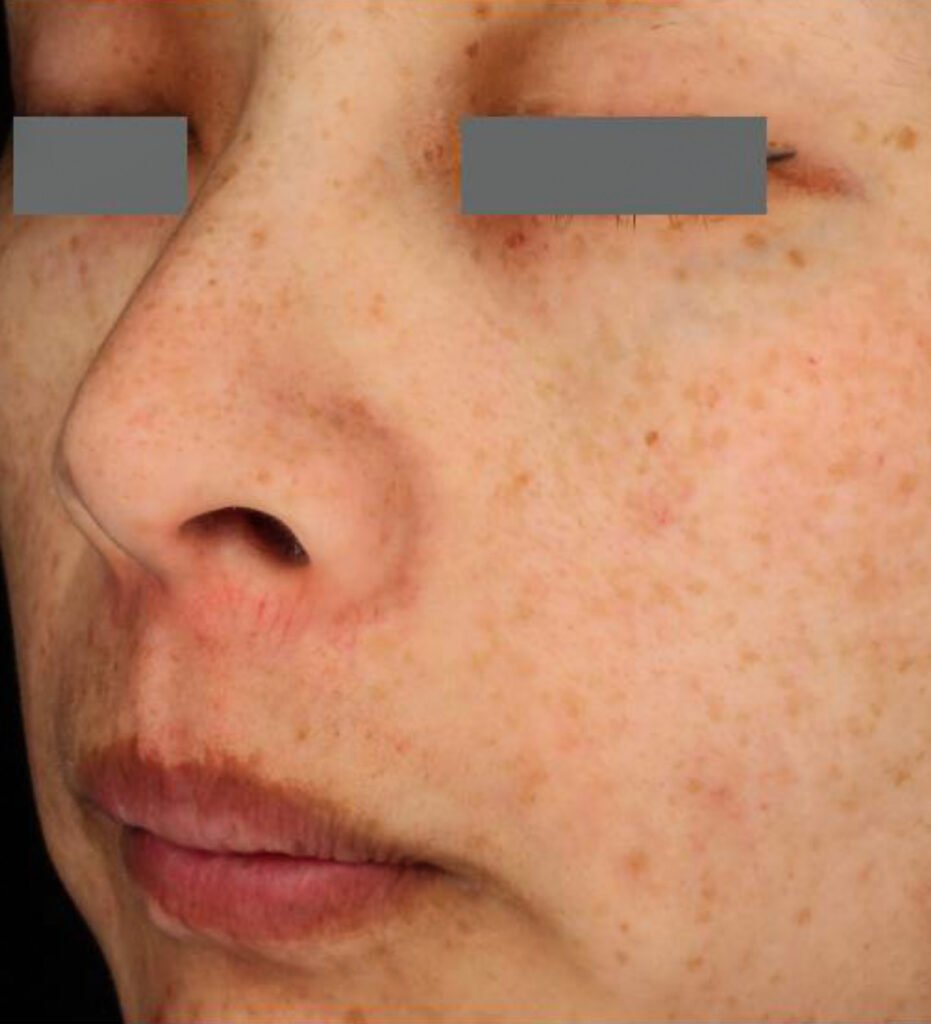
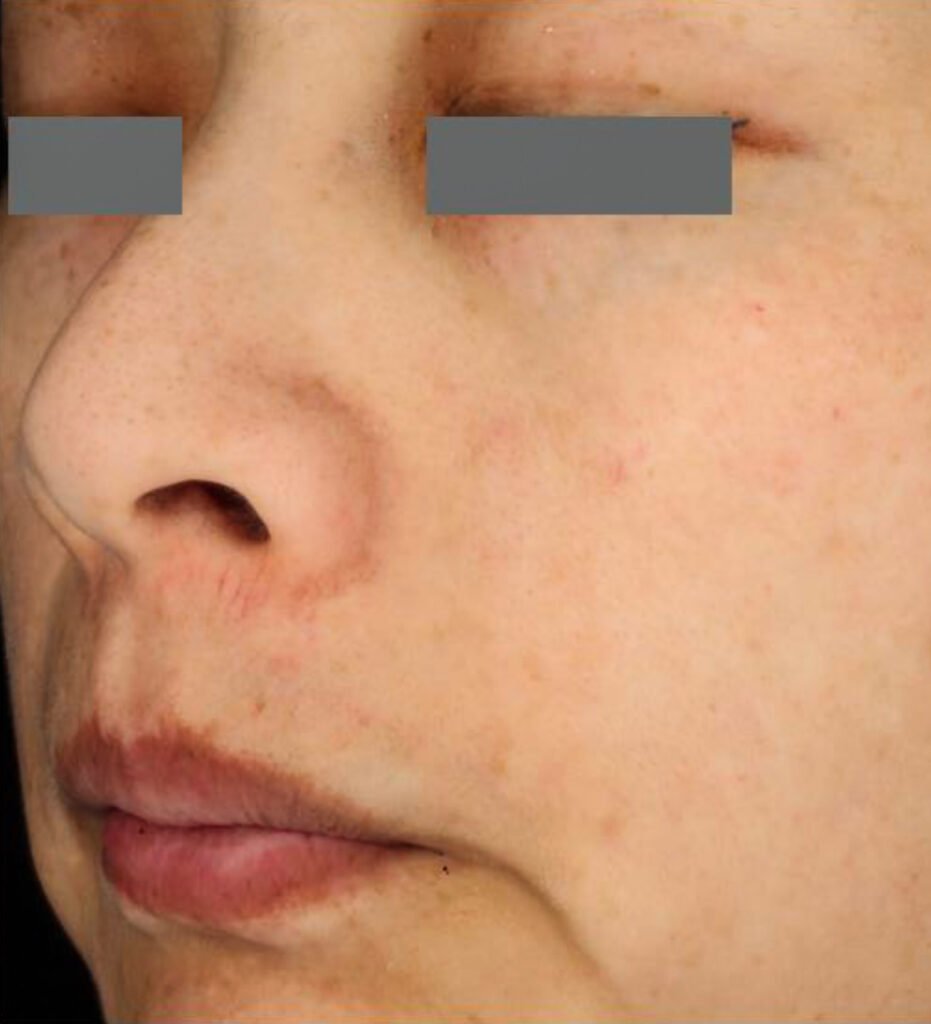
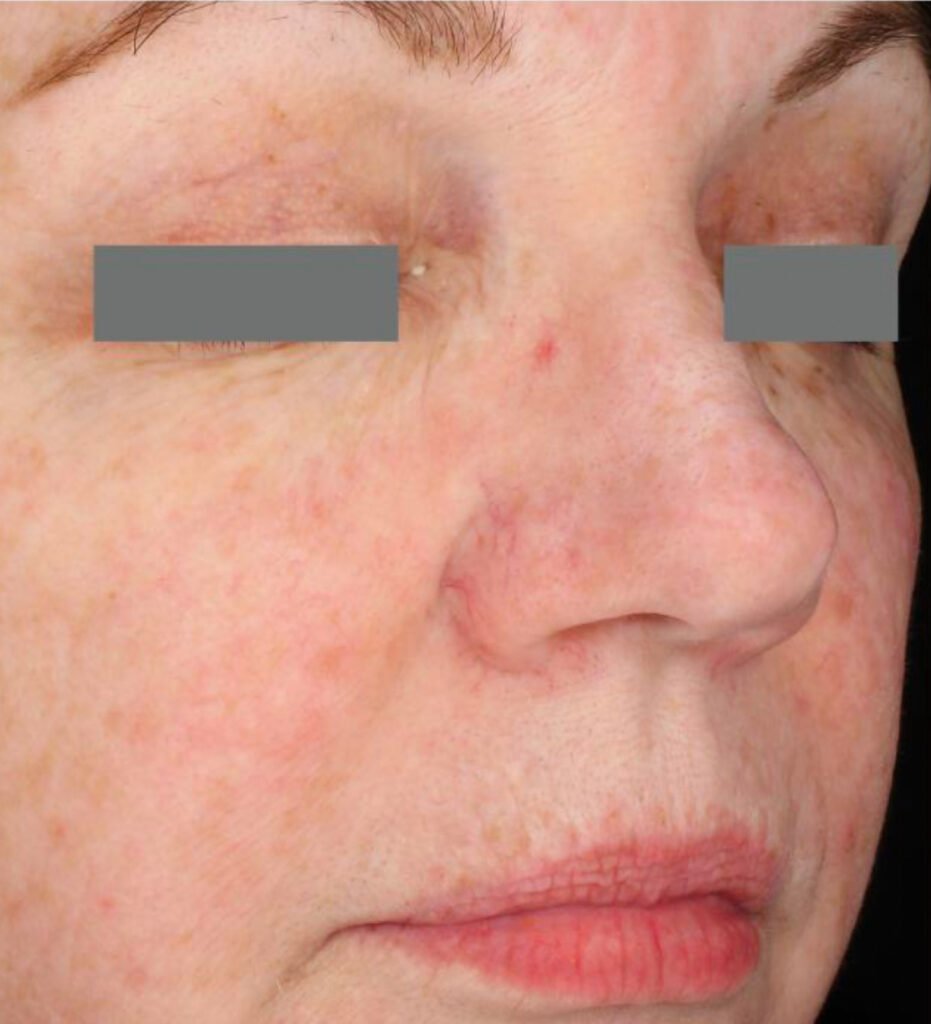
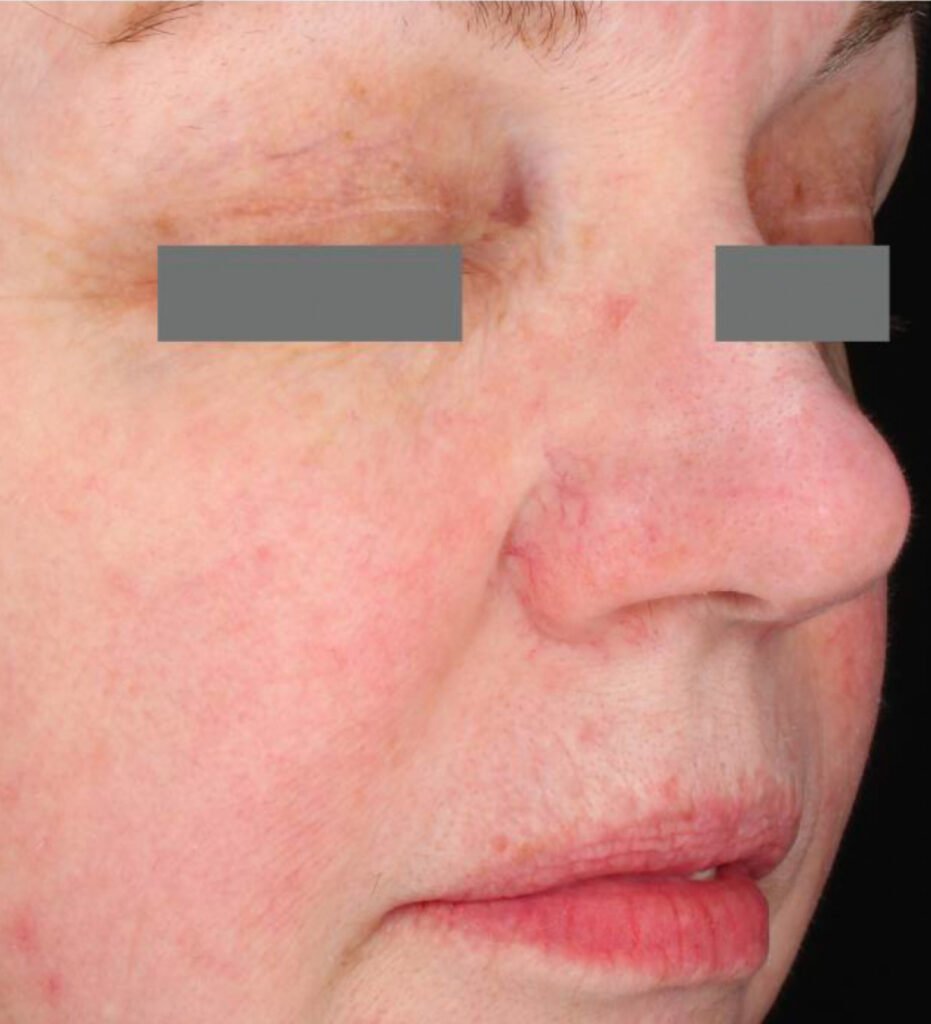
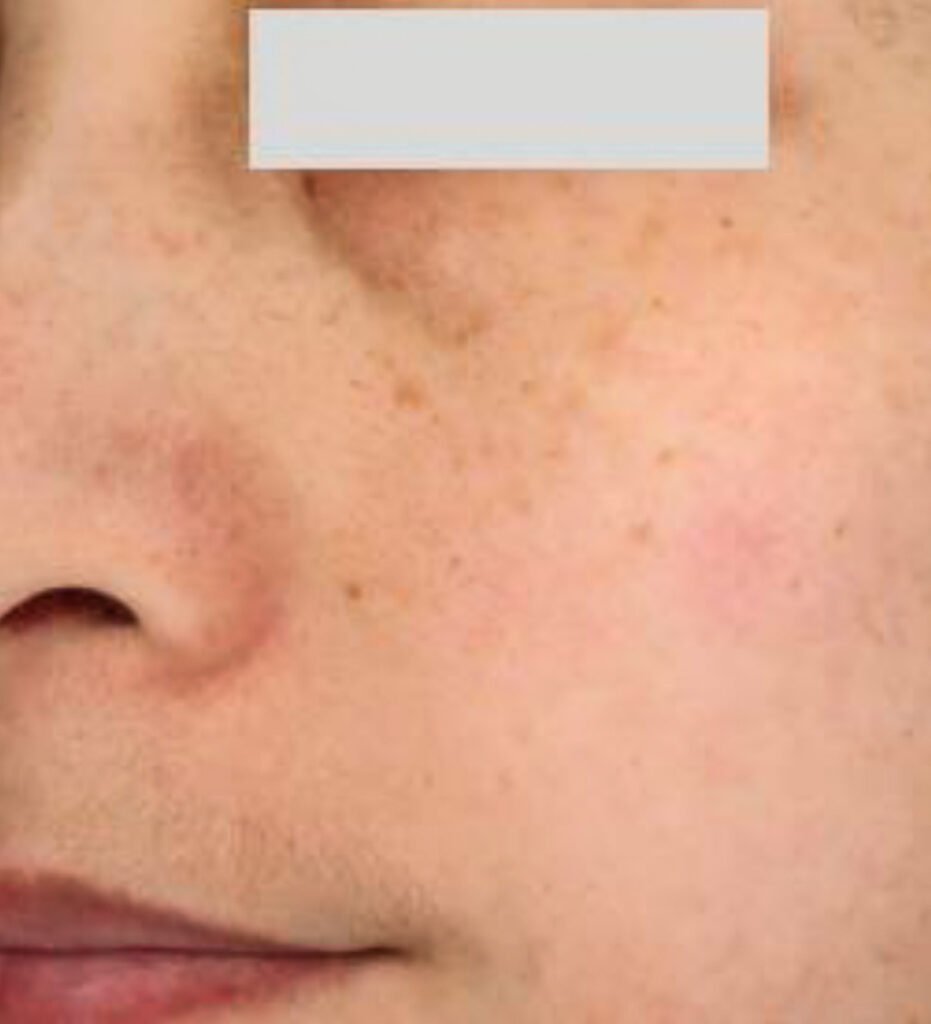
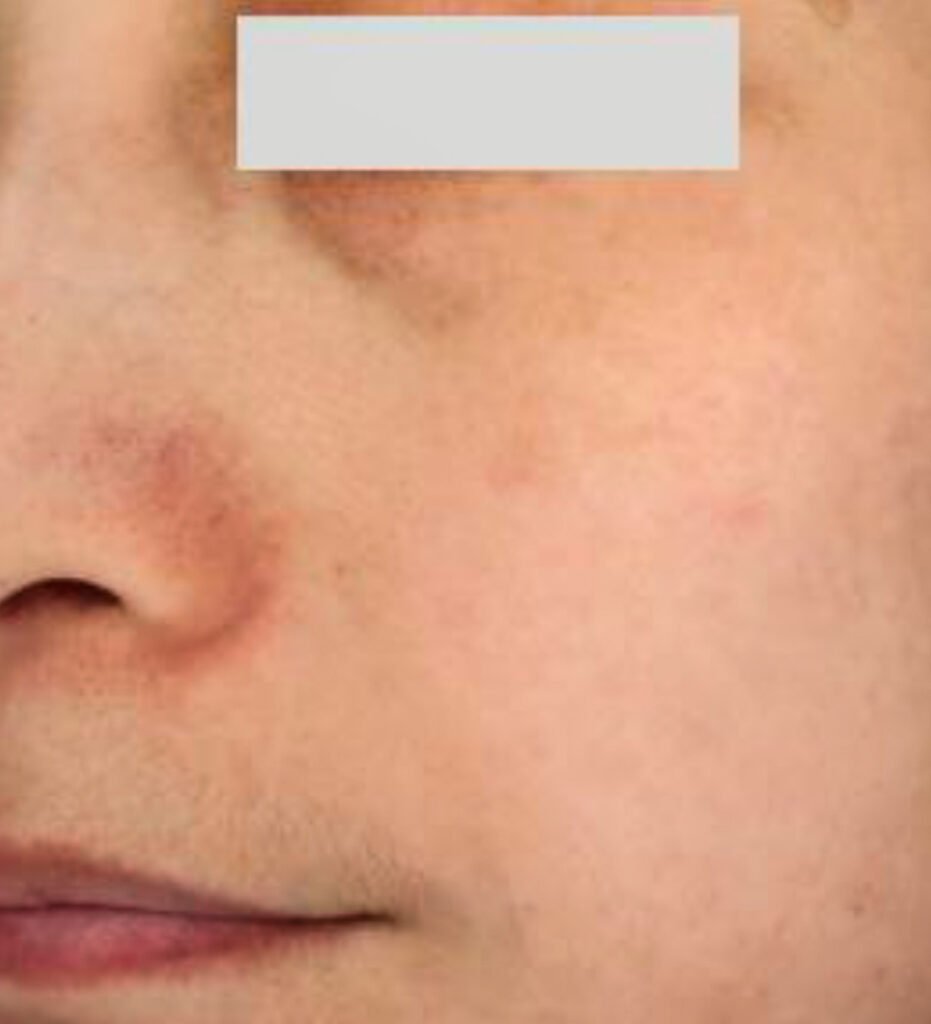
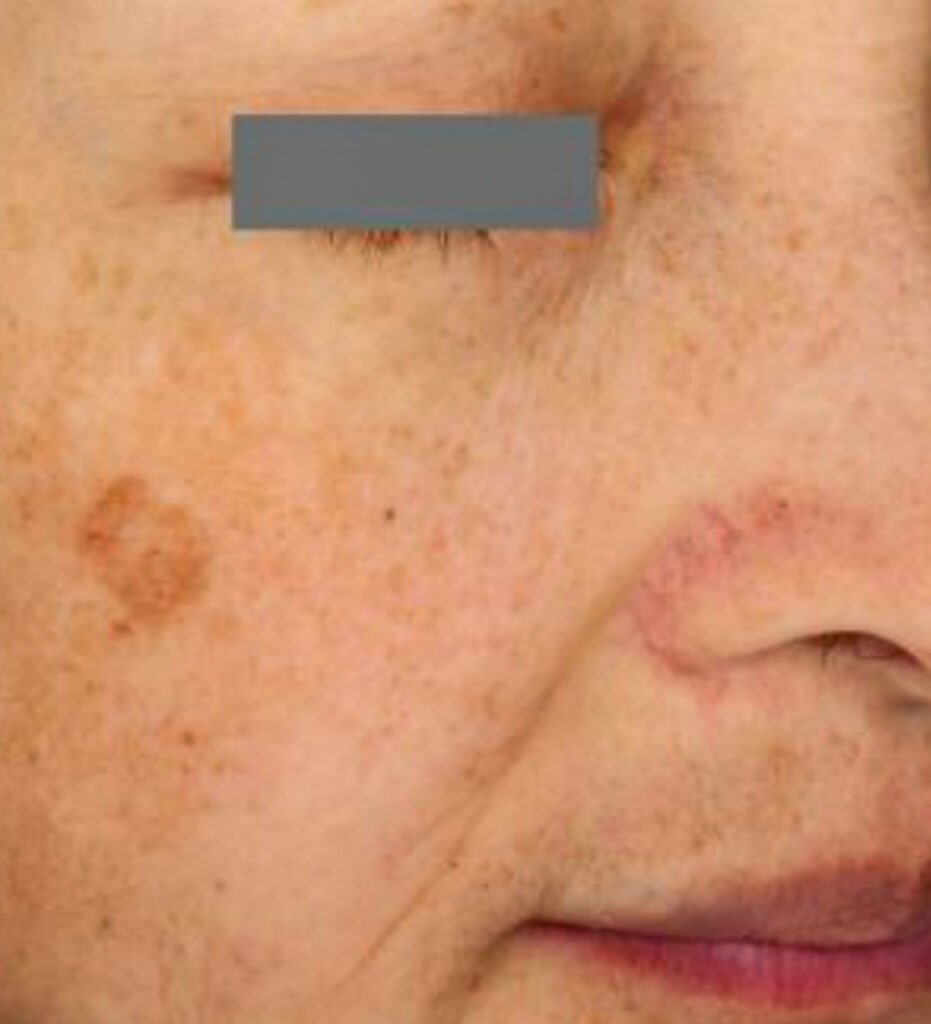
Before and after:
Lutronic Derma V results
Why choose Dr Derrick Phillips for PicoWay in London
Pigmentation, and melasma in particular, are easily worsened by the wrong laser settings. As a Consultant Dermatologist, Dr Phillips diagnoses the underlying cause and uses PicoWay within a complete, medically-led plan to protect against rebound pigmentation.