

What Stellar M22 IPL treats
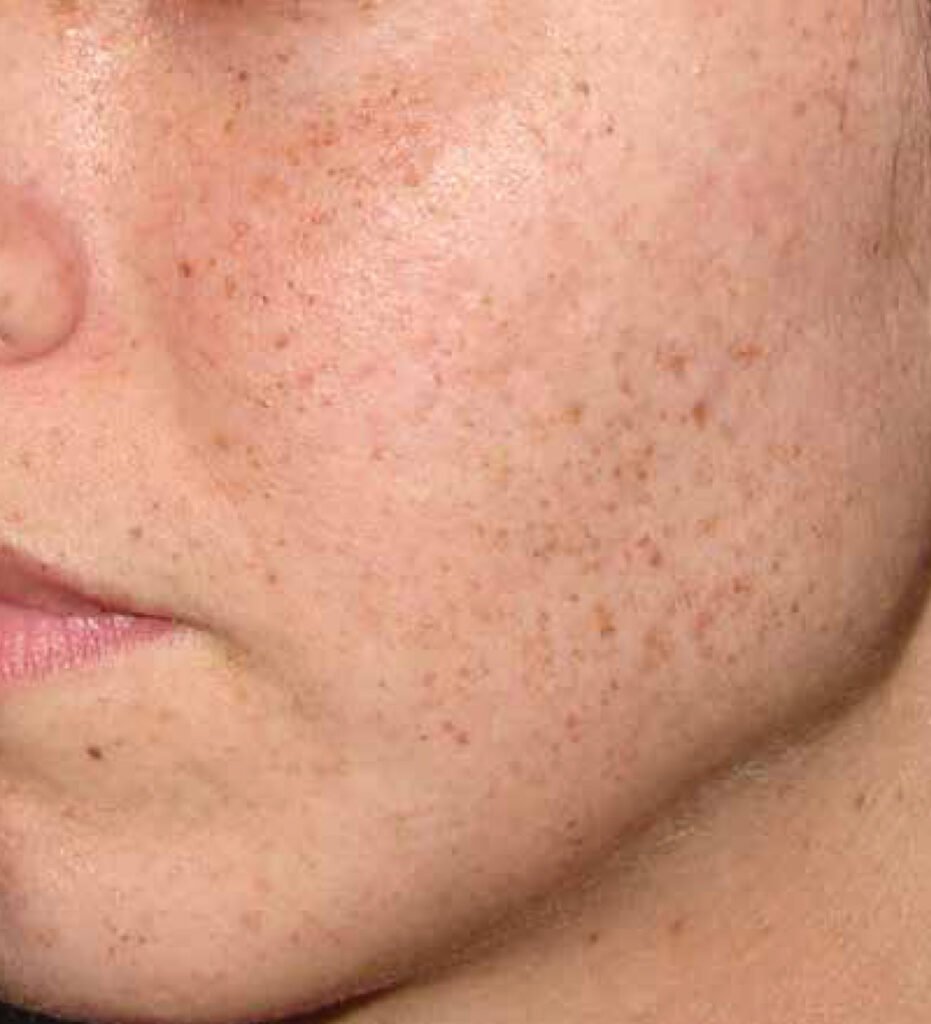
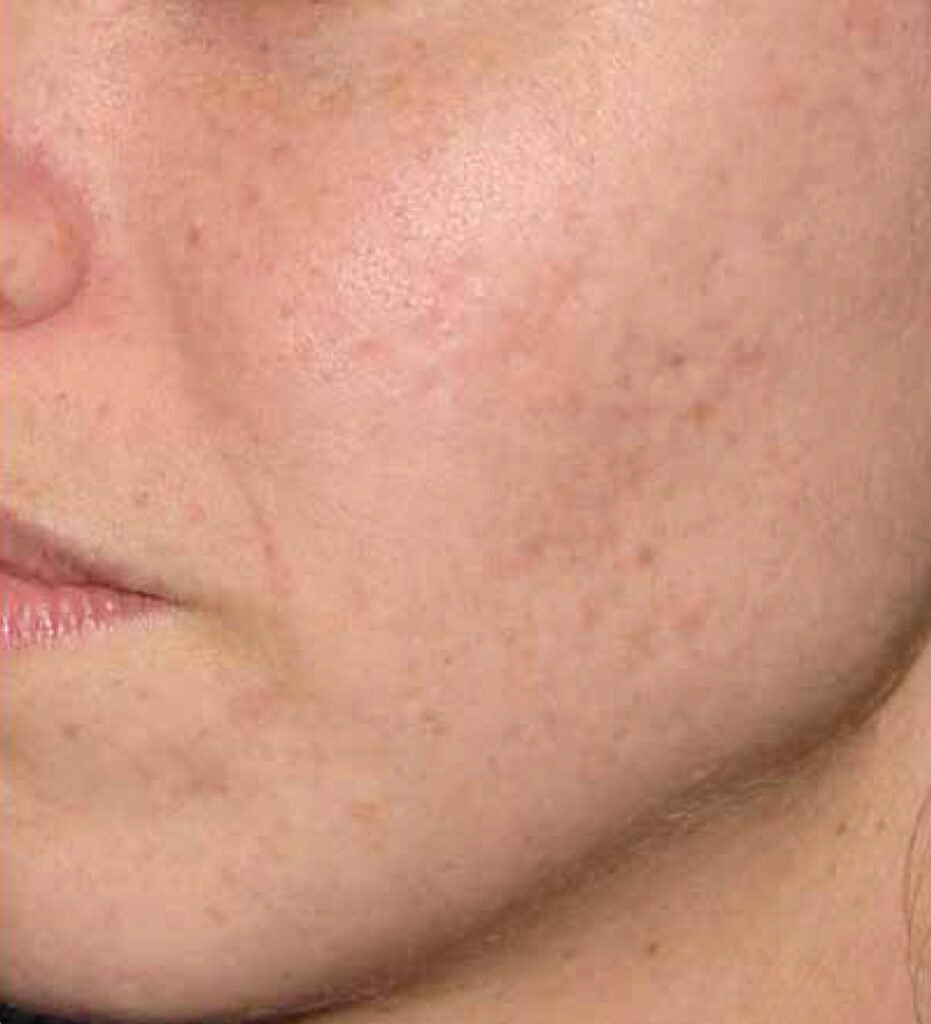
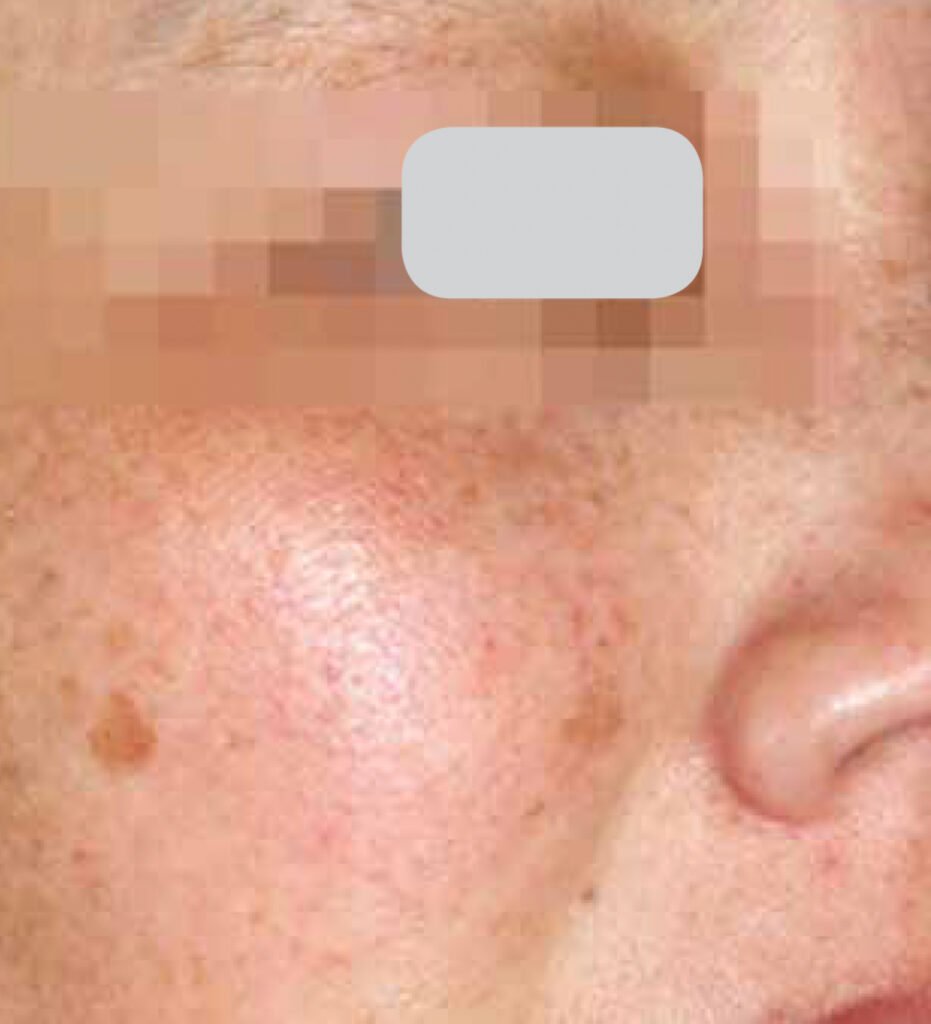
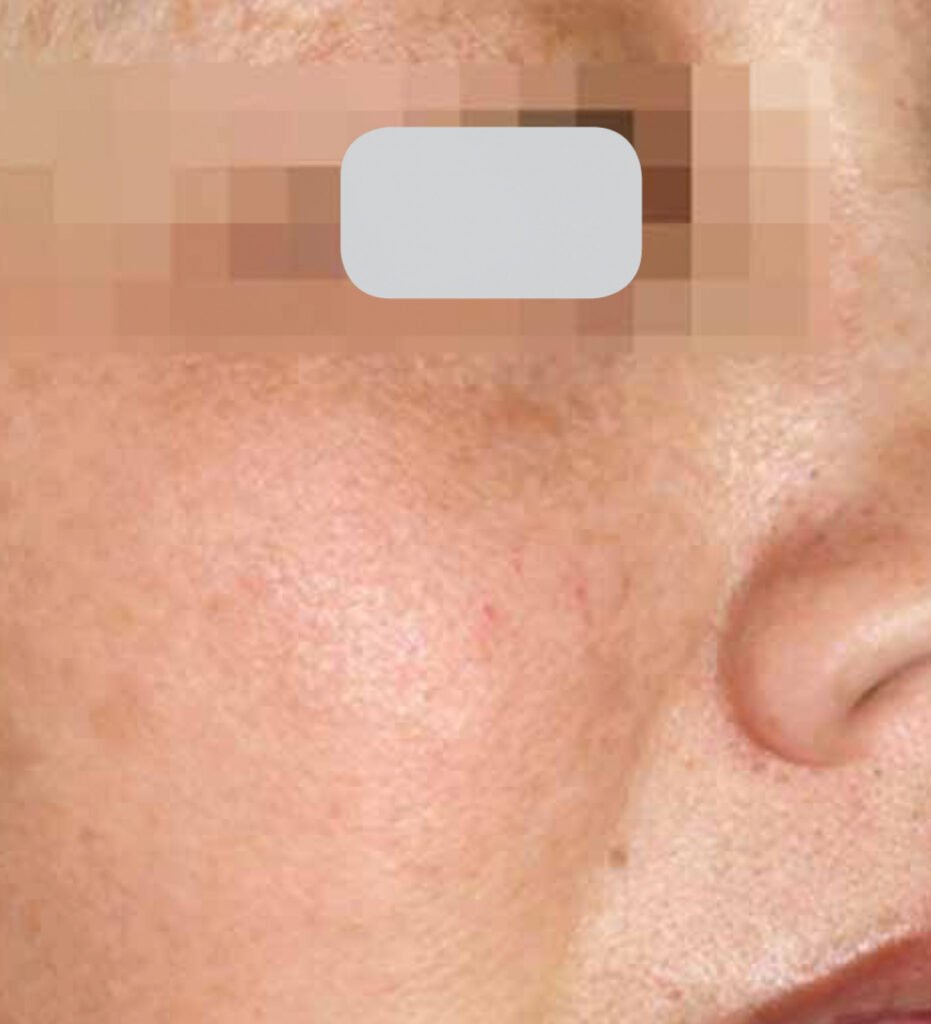
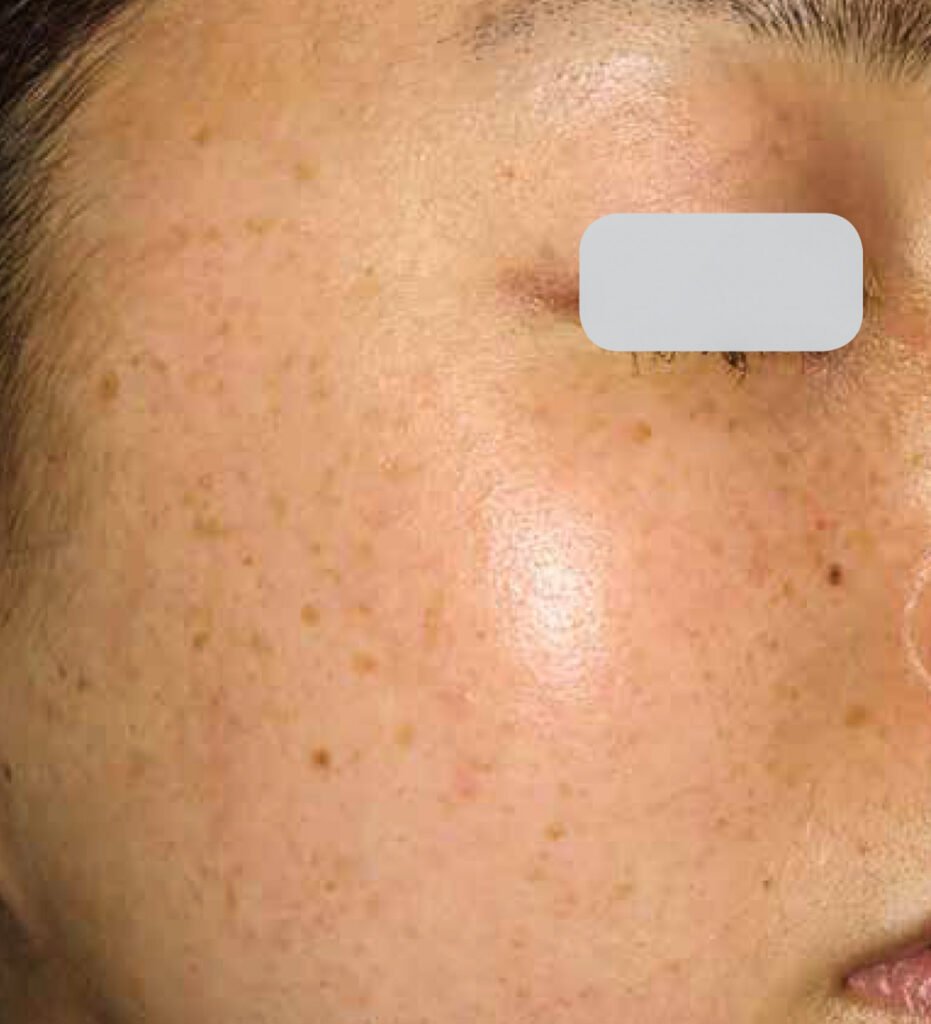
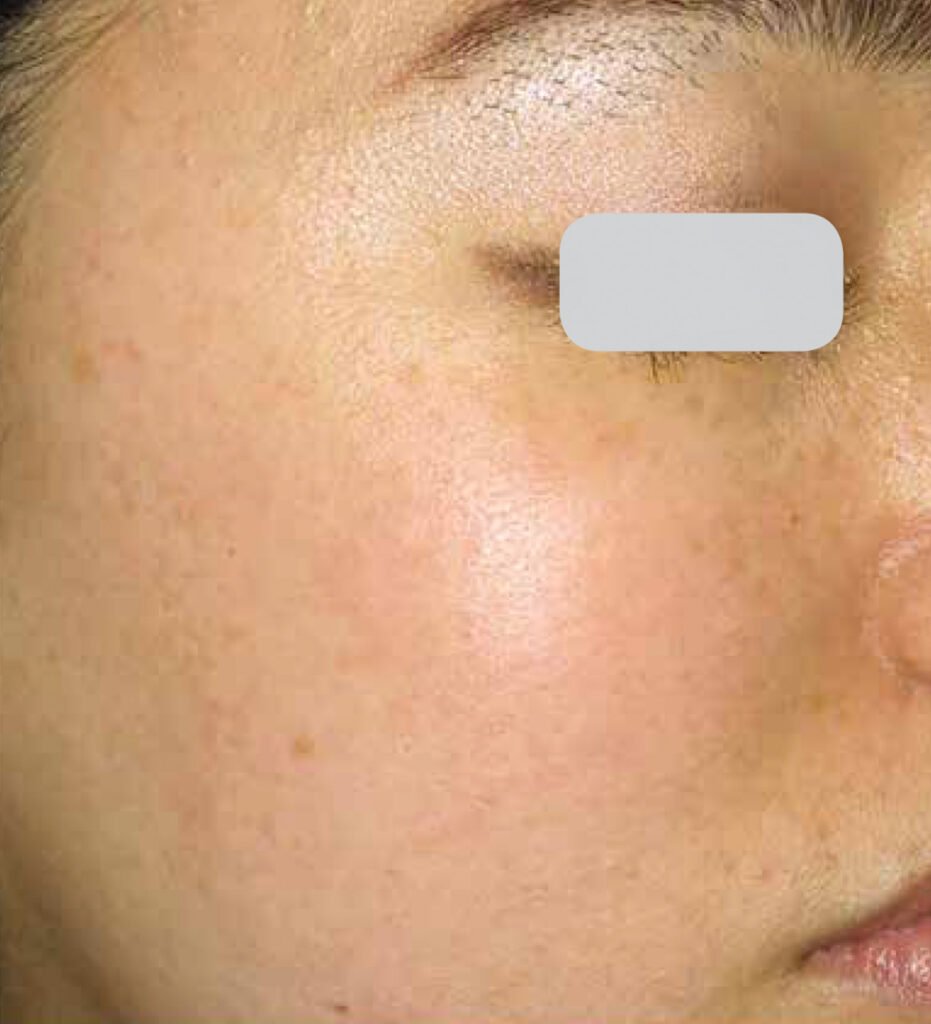
Sun damage and age spots
Superficial brown pigmentation caused by sun exposure.
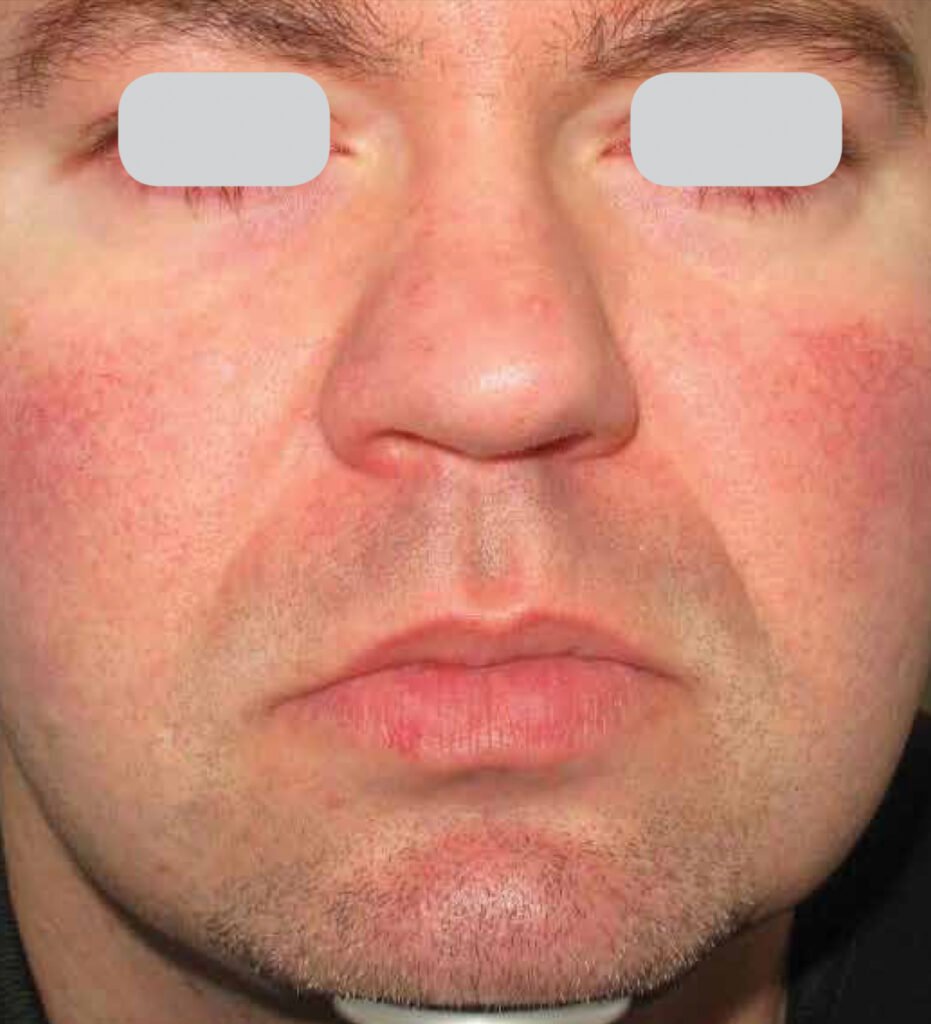
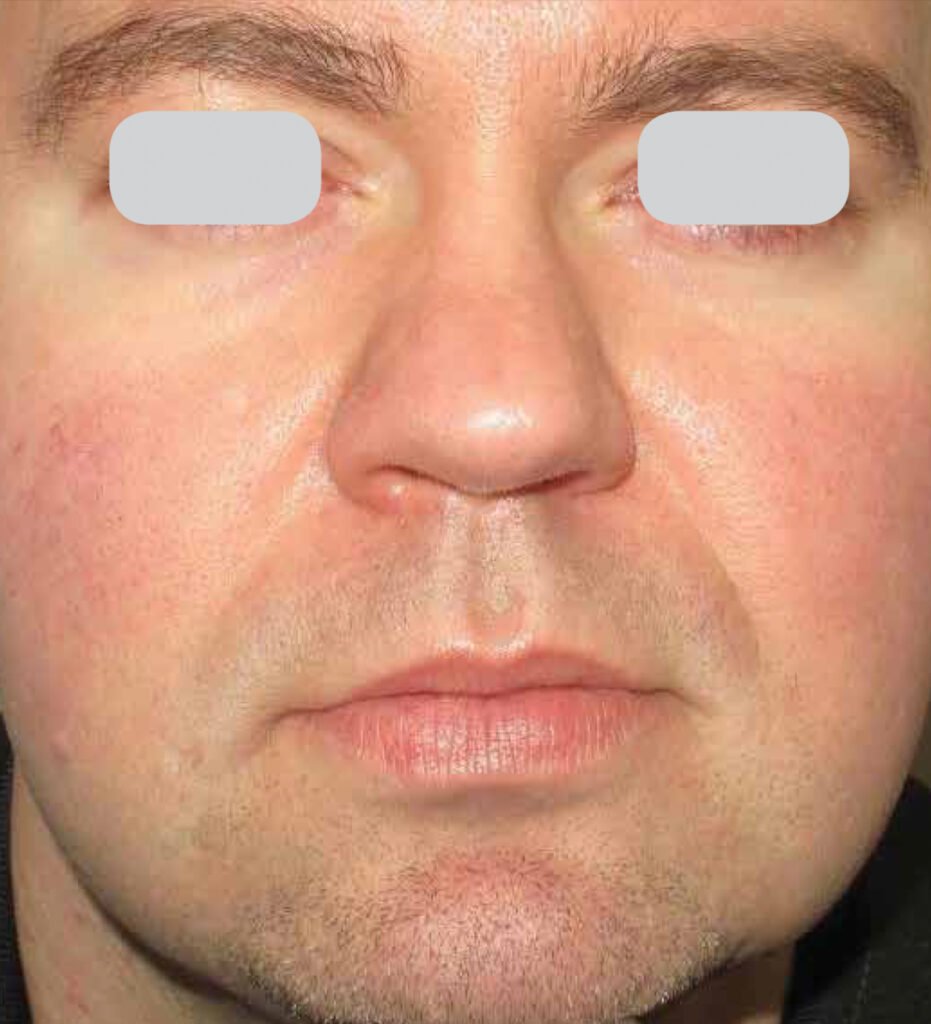
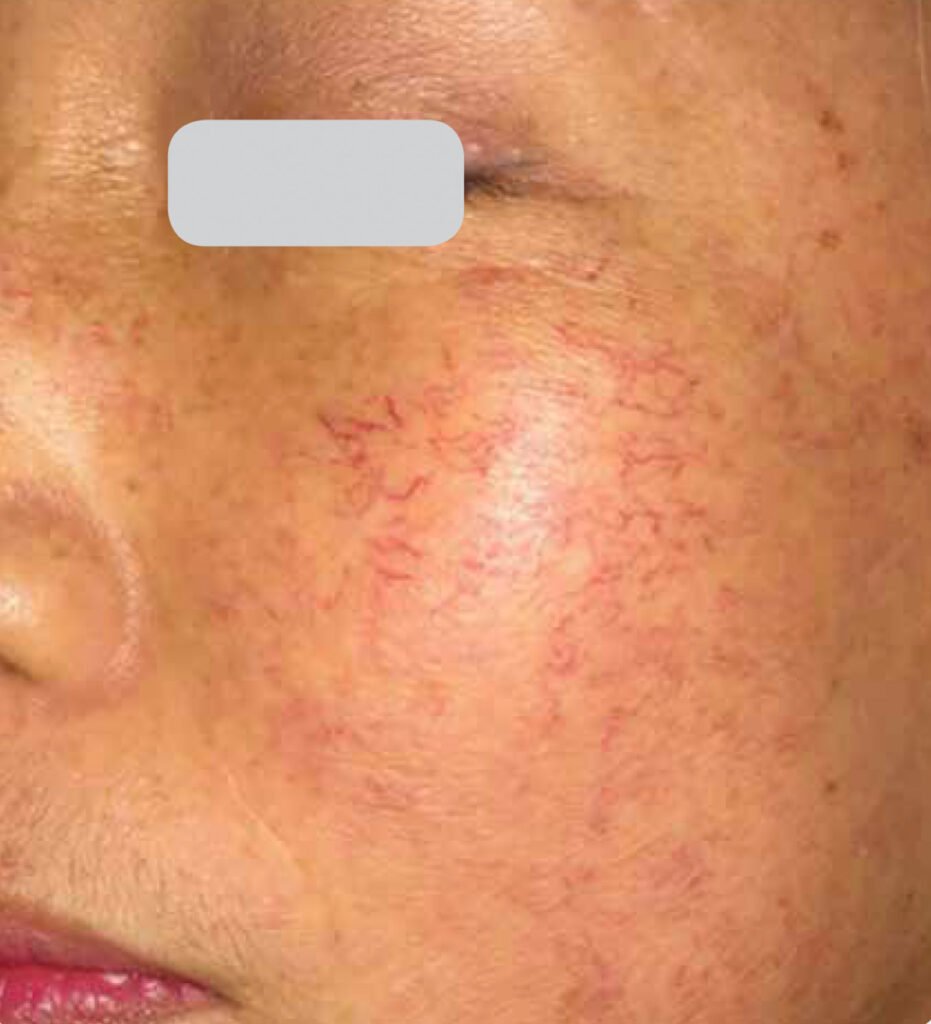
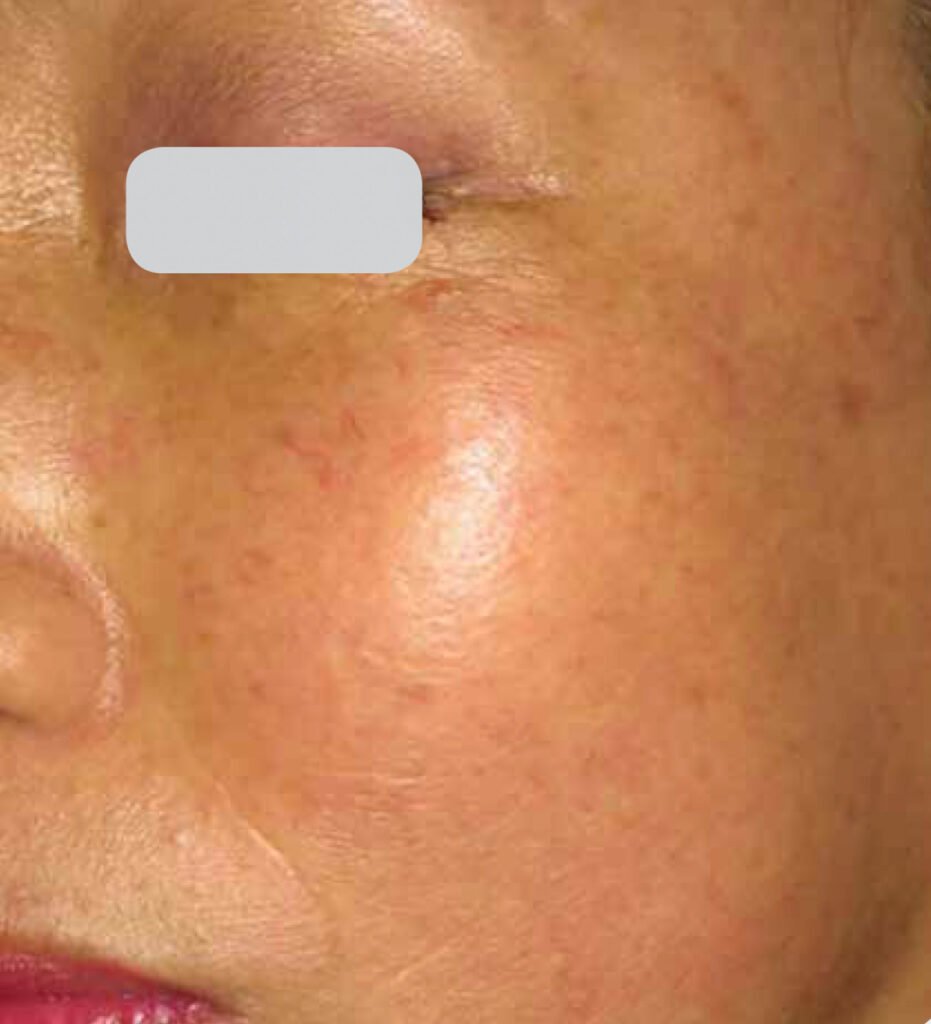
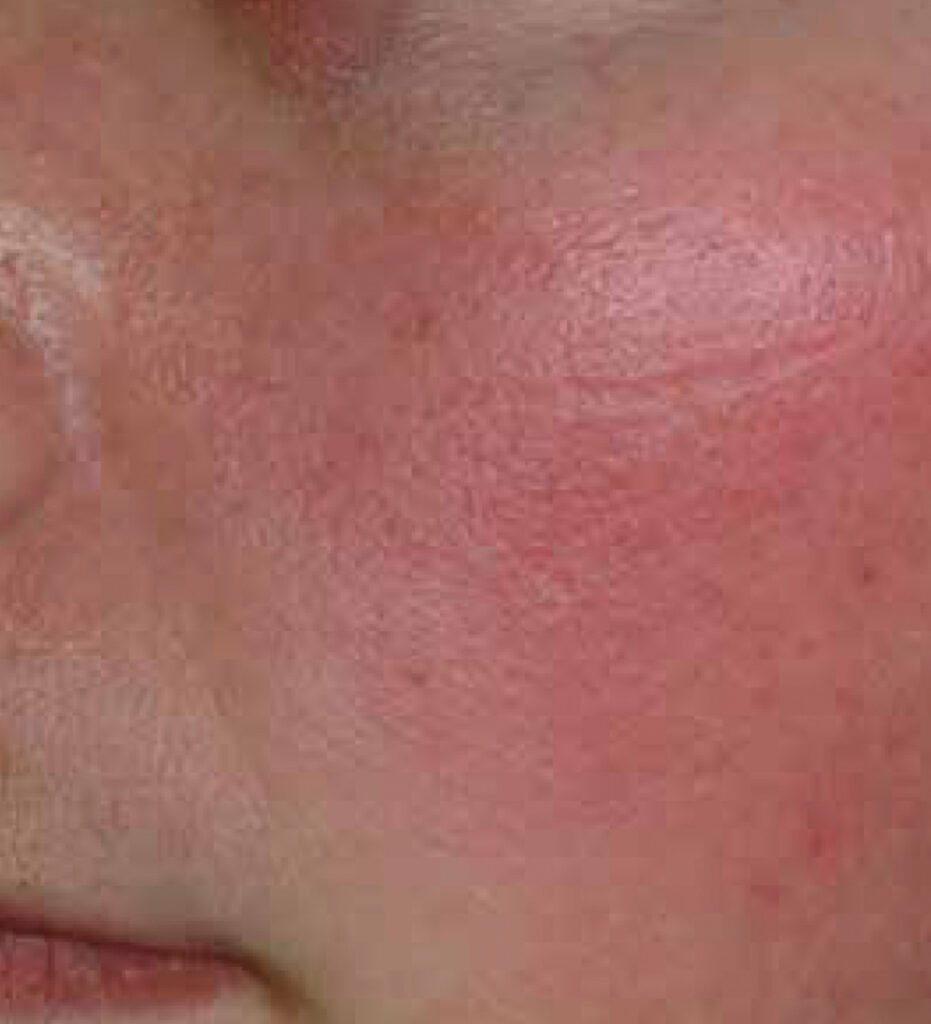
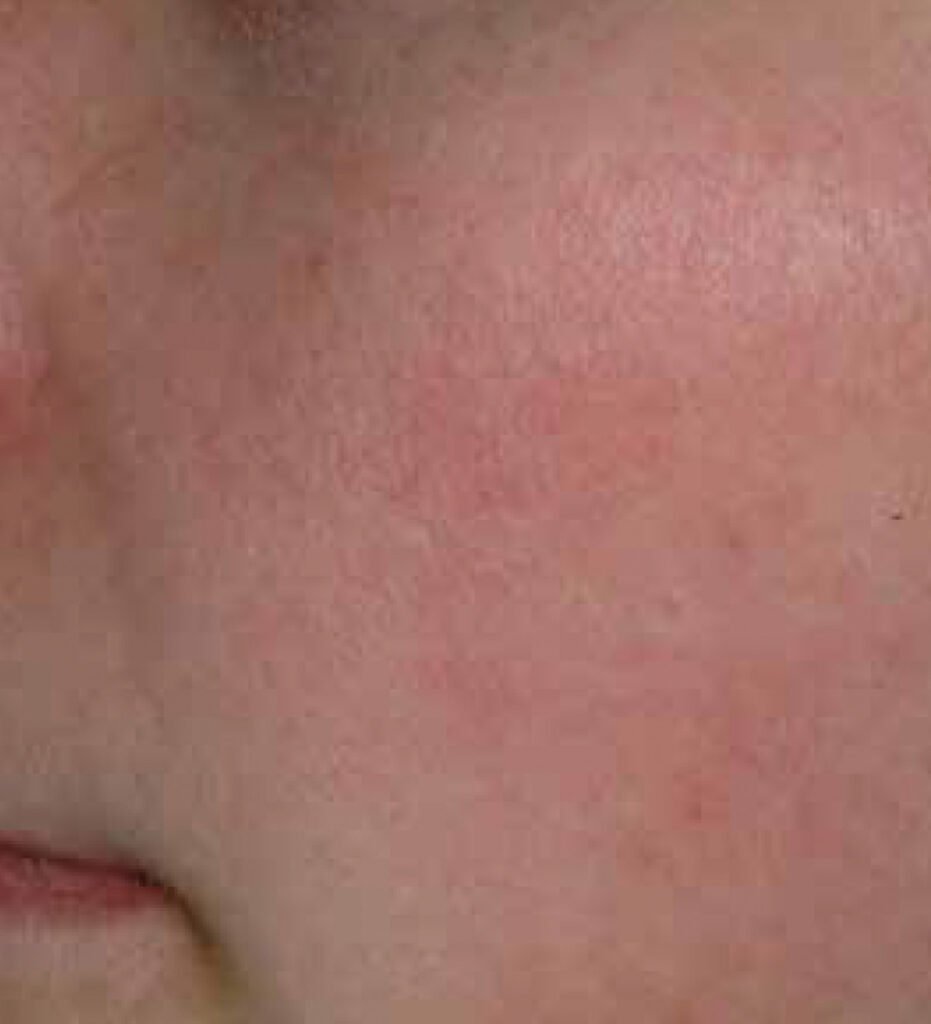
Facial redness and rosacea
Flushing, broken capillaries and persistent redness.
Uneven skin tone
Dull, congested complexions and uneven pigmentation.
Post-acne redness
Residual redness and improved overall skin clarity.
How IPL works
The Stellar M22's filtered light is tuned to target either pigment or blood vessels.
Pigment fragments are naturally cleared while treated vessels gradually fade.
A short course usually gives the most even, lasting result.
What to expect during treatment
IPL feels like a quick, warm snap against the skin, often compared to a light elastic band. Cooling is used throughout. Sessions are comfortable and typically take under an hour, depending on the area.
Downtime and aftercare
Downtime is minimal. Treated pigment may darken and "coffee-ground" before flaking away over a week or so; redness may settle within hours. Diligent sun protection is essential before and after treatment.
When will I see results?
Pigmentation often looks clearer within one to two weeks as treated spots lift away. Redness and vessel improvements build over a course of sessions.
Week 1 - 2
Ongoing improvements
Pigmentation and redness continue to fade, and overall skin tone and clarity improve.
Over a course of treatments
Long-term results
Results continue to develop as the skin’s clarity and evenness improve.
In the following months
Early improvements
Skin may look brighter and more even, with some pigmentation and redness appearing lighter.
Week 1-2
Early improvements
Skin may look brighter and more even, with some pigmentation and redness appearing lighter.
Over a course of treatments
Ongoing improvements
Pigmentation and redness continue to fade, and overall skin tone and clarity improve.
In the following months
Long-term results
Results continue to develop as the skin’s clarity and evenness improve.
Suitability and skin of colour
IPL is highly effective but is not suitable for every skin tone — used incorrectly on darker skin it carries a risk of pigment change. This is exactly why a dermatologist-led assessment matters. Where IPL is not the safest option, Dr Phillips will recommend an alternative such as the Q-switched Nd:YAG or Lutronic Derma V.
Before and after:
IPL results
Why choose Dr Derrick Phillips for IPL in London
Dr Phillips spent 12 years working within the NHS, including as a Consultant Dermatologist at Imperial College Healthcare NHS Trust, where he managed patients with complex inflammatory skin disease. He has particular expertise in the management of moderate-to-severe eczema, including biologic and systemic therapies, and contributed to published real-world outcomes for dupilumab in the British Journal of Dermatology (2020). He is also a chapter author of the Handbook of Systemic Drug Treatments in Dermatology (CRC Press) and has extensive experience diagnosing and treating eczema across diverse skin tones.