

What the UltraClear treats
Superficial pigmentation and dullness
Helps lift surface pigmentation for a brighter, more even complexion.
Fine lines and early signs of ageing
Improves the appearance of fine lines through skin renewal.
Uneven texture and rough, tired-looking skin
Refines rough texture to leave skin feeling smoother.
Acne scars and other superficial scarring
Helps improve superficial scarring when used at deeper settings.
Overall skin tone, clarity and quality
Promotes a clearer, smoother and more even-looking complexion.
How the UltraClear works
The UltraClear is tuneable, which is its defining strength. At light settings it performs a gentle fractional "polish" of the outermost skin — the basis of the 3D MIRACL facial — lifting superficial pigment and refining the surface. At deeper settings it works further into the skin to address texture, scarring and fine lines by stimulating renewal and collagen formation. Because thermal injury to surrounding tissue is minimal, this can be achieved with comparatively little downtime.
What to expect during treatment
Treatment is preceded by numbing cream for comfort, with the depth and intensity tailored to your concern and skin type. Most patients describe a warm sensation during the procedure, which is generally well tolerated. Sessions are efficient, and the number recommended depends on whether the goal is surface brightening or deeper resurfacing.
Downtime and aftercare
Downtime is shorter than with traditional ablative lasers but still real: expect redness, warmth and light flaking as the skin renews, typically over a few days for lighter treatments and longer for deeper resurfacing. Diligent sun protection before and after treatment is essential, and Dr Phillips will provide a tailored aftercare plan.
When will I see results?
Brightness and smoothness are often visible once the initial flaking settles, with texture, pigmentation and fine-line improvements continuing to build over the following weeks as the skin renews and collagen forms. Deeper concerns may benefit from a short course.
Once initial flaking settles
Continued improvement
Texture, pigmentation and fine lines continue to improve as the skin renews and collagen forms.
Over the following weeks
Brighter, smoother skin
Initial improvements in brightness and smoothness become visible as the skin heals.
Once initial flaking settles
Brighter, smoother skin
Initial improvements in brightness and smoothness become visible as the skin heals.
Over the following weeks
Continued improvement
Texture, pigmentation and fine lines continue to improve as the skin renews and collagen forms.
Suitability and skin of colour
The UltraClear's precise, low-heat ablation makes it suitable for a wide range of skin types, including skin of colour when appropriate settings are used. As with any resurfacing treatment, careful assessment and parameter selection are essential to minimise the risk of post-inflammatory hyperpigmentation. Dr Phillips evaluates your skin type, underlying concerns and treatment goals before tailoring the depth and settings accordingly. Where a non-ablative approach is more appropriate, alternatives such as the LaseMD Ultra may be recommended.
The goal is to clear acne while actively minimising pigmentation risk, using treatment choices, medication selection and laser settings that account for skin tone from the outset, rather than applying a generic protocol and dealing with marks afterwards.
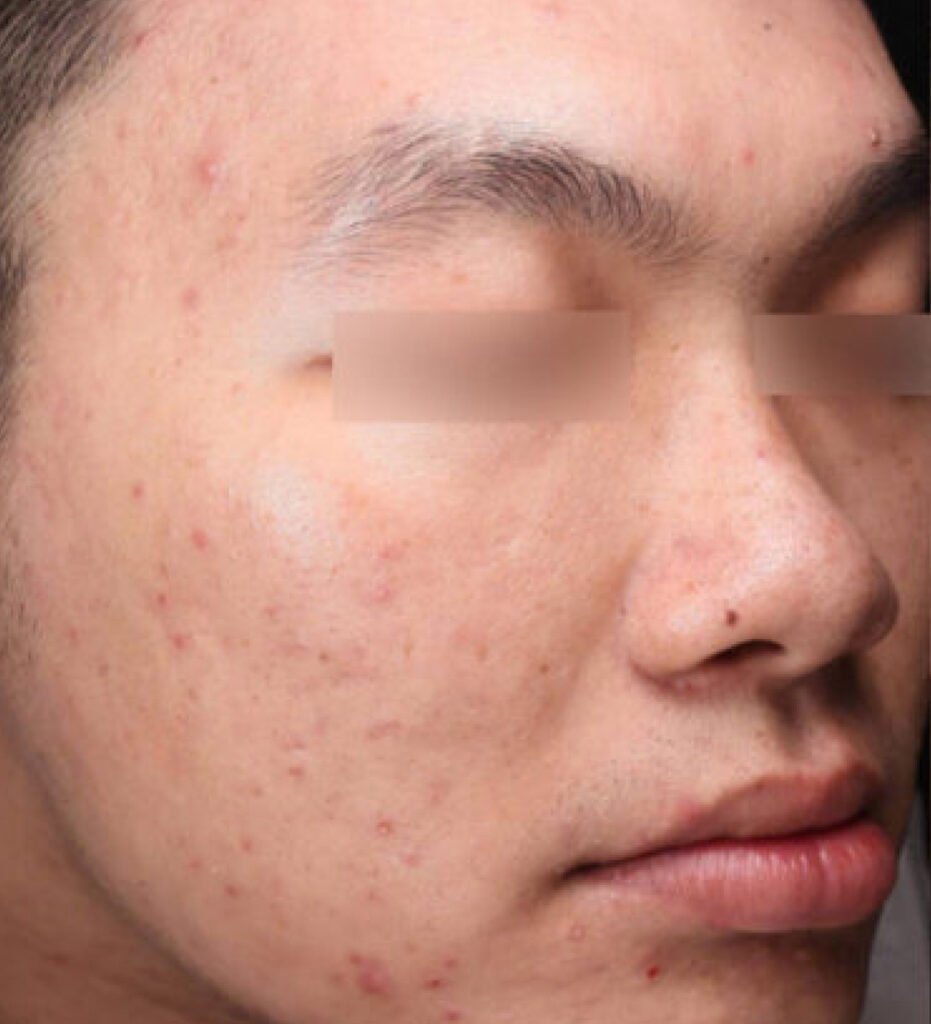
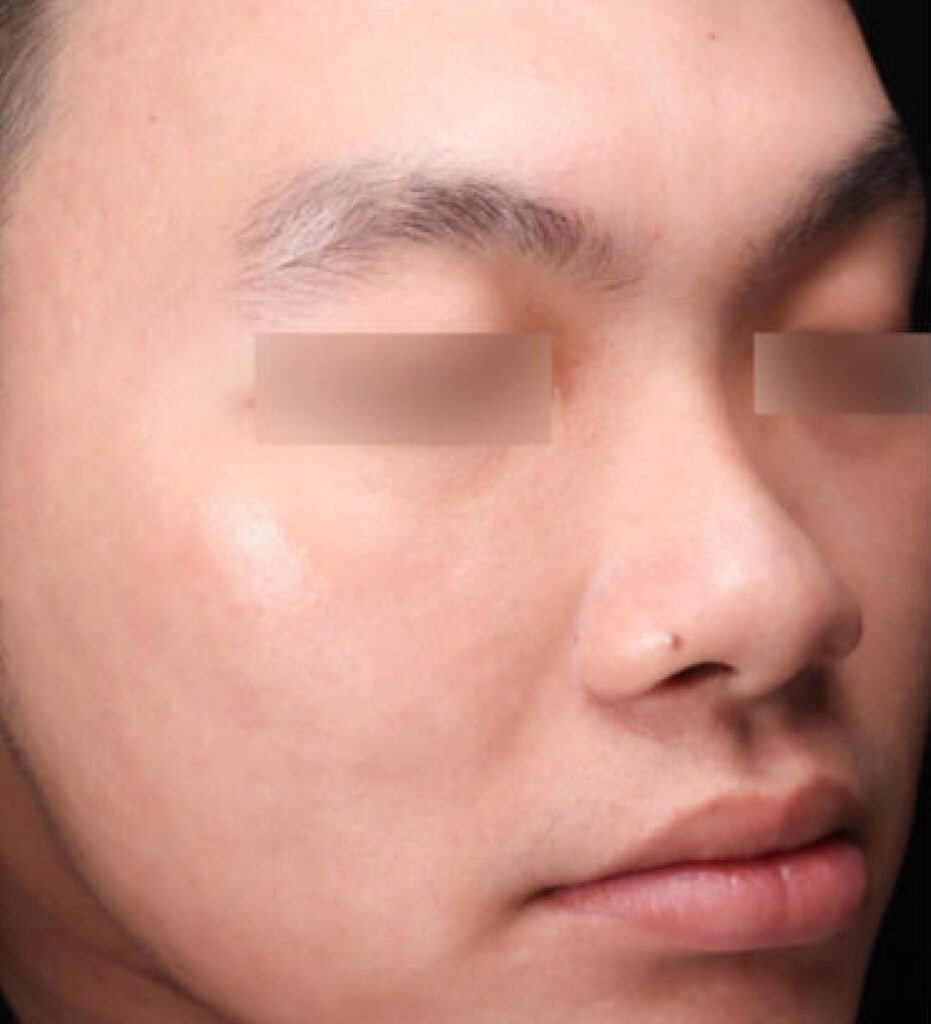
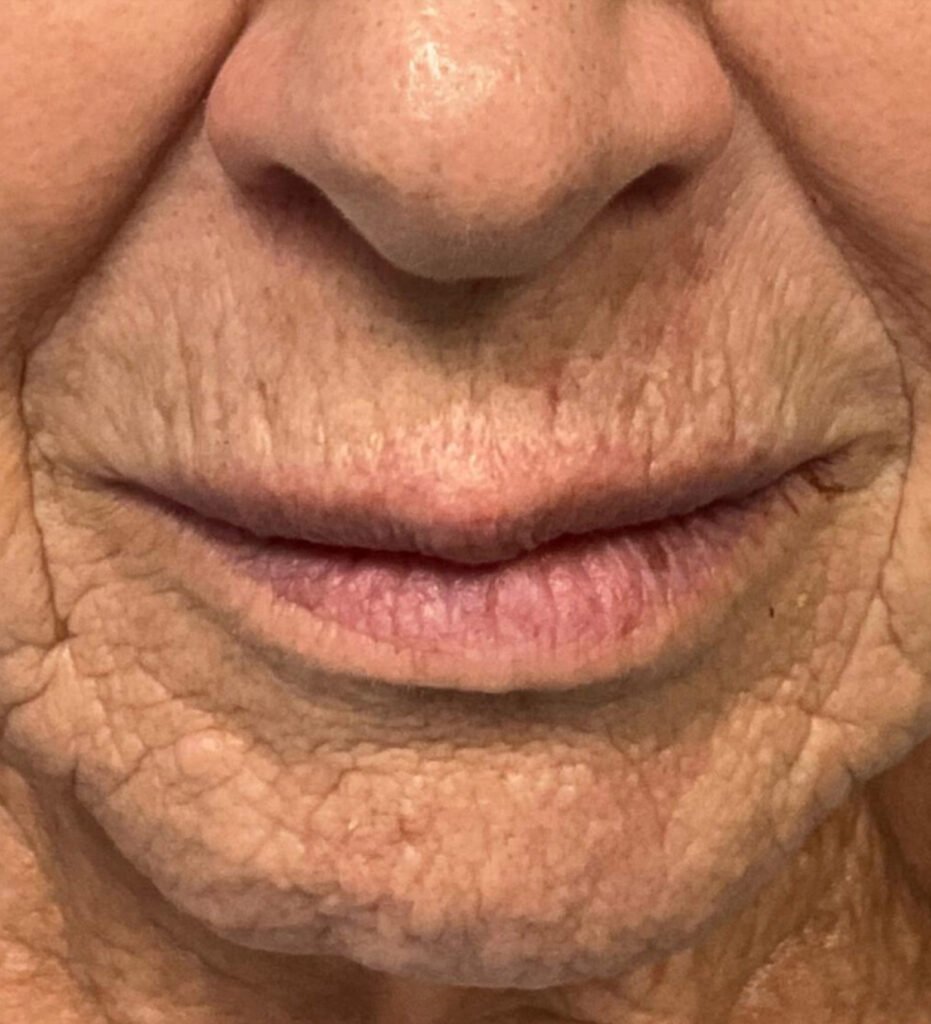
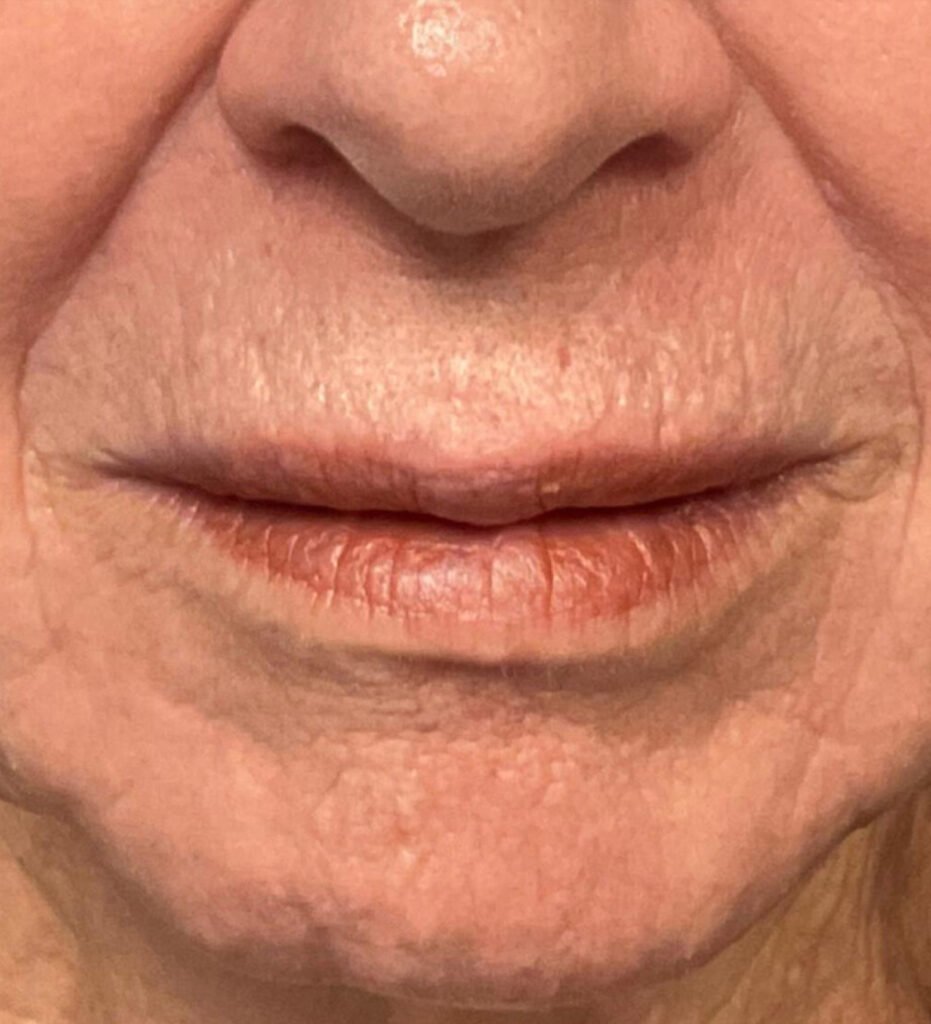
Before and after:
UltraClear results
Why choose Dr Derrick Phillips for UltraClear in London
The UltraClear's versatility is only an advantage in experienced hands — the same device can deliver a featherlight polish or a deeper resurfacing, and choosing correctly is a clinical decision. As a Consultant Dermatologist, Dr Phillips diagnoses the underlying concern first, sets the laser to match, and positions UltraClear within a wider plan for skin health rather than offering it as a one-size-fits-all treatment. His particular expertise in treating skin of colour informs every parameter choice.
What to know about UltraClear
A 2910nm cold-ablative fibre laser — true ablation with minimal heat.
Tuneable from a light surface polish to deeper resurfacing.
Treats pigmentation, fine lines, texture and superficial scarring.
Shorter downtime than traditional ablative lasers, but recovery is still real.
Powers the 3D MIRACL laser facial at its lighter settings.