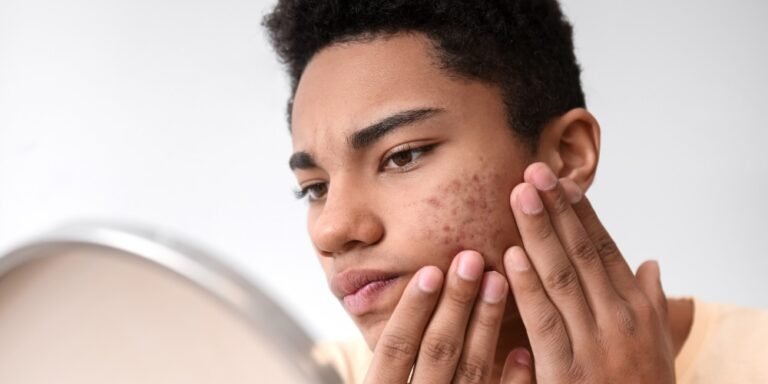
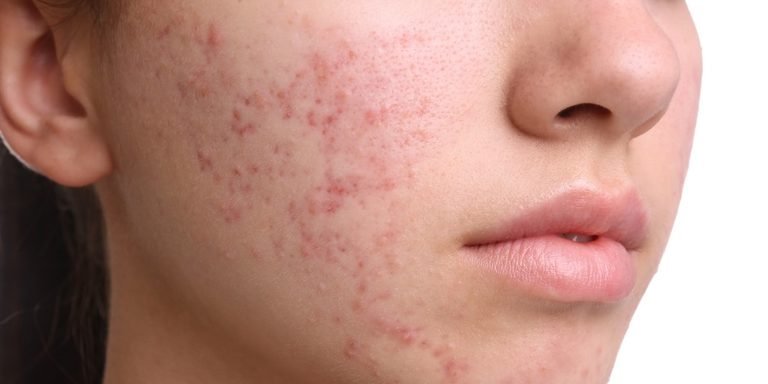
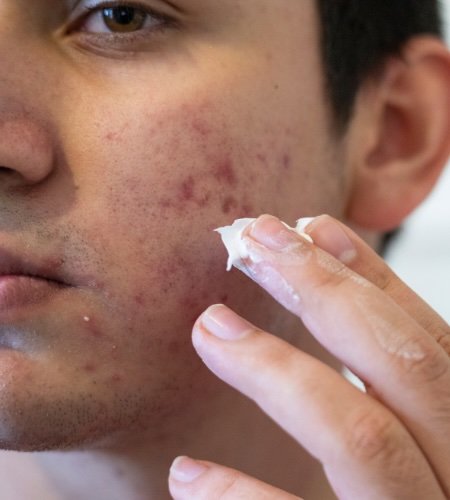
If your skin breaks out every time life gets busy, during exams, a demanding week at work or a difficult period at home, there is a reason for it. Stress affects a number of hormones in the body, including cortisol, and these changes can increase oil production, drive inflammation and disrupt sleep. Together, they make acne more likely to flare and harder to control.
This guide explains how stress triggers breakouts, how to recognise stress acne, and the treatments and habits that help keep your skin under control, even when life is not.
Can Stress Cause Acne?
Stress does not usually cause acne on its own, but it is a well-recognised trigger for flares in people who are already prone to breakouts. If your acne consistently gets worse during stressful periods, stress may be one of the triggers driving it.
The link between stress and acne has been studied for many years. A well-known study of university students, published in the Archives of Dermatology, found that acne became more severe during exam periods, and that the worsening was linked to higher stress levels.
How Stress Acne Differs From Other Breakouts:
- Flares are timed with stressful periods rather than following a regular monthly pattern
- Breakouts tend to settle when the stressful period passes
- Picking and touching the face often increase during stress, leaving more marks
- Poor sleep and skipped skincare routines often go hand in hand with flares
| Feature | Stress-related flares | Hormonal acne | Fungal acne |
|---|---|---|---|
| Timing | During stressful periods | Often around periods, recurring monthly | Worse in heat, humidity and after sweating |
| Typical location | Anywhere acne usually appears | Jawline, chin and lower face | Forehead, chest, shoulders and back |
| Appearance | Red, inflamed spots, whiteheads | Deep, tender spots | Small, itchy, uniform bumps |
| What helps | Consistent acne treatment, stress and sleep support | Retinoids, hormonal treatments | Antifungal treatments |
Stress and hormonal acne often overlap, because stress itself affects hormones. If your breakouts follow a monthly pattern, see our guide to hormonal acne treatment with spironolactone. If your spots are small and itchy, you could have fungal acne.
What Causes Stress Breakouts?
Stress affects the skin in several connected ways, which is why breakouts can appear so quickly during a difficult period.
1. Cortisol and Hormone Changes
When you are stressed, the body releases more cortisol and other stress hormones. These hormonal changes can stimulate the oil glands in the skin, which sets the stage for breakouts.
2. Increased Oil Production
More oil means pores are more likely to become blocked with oil and dead skin cells. Blocked pores are the starting point for every type of acne spot.
3. Inflammation
Stress increases inflammation throughout the body, including the skin. This makes it easier for blocked pores to turn into red, swollen and painful spots.
4. Disrupted Sleep
Stress and poor sleep often go together. Lack of sleep affects how the skin repairs itself and can make inflammation worse, which makes breakouts harder to control.
5. Stress Habits
During stressful periods, many people touch their face more, pick at spots, skip their skincare routine or change their diet. Each of these can make breakouts worse and increase the risk of marks and scarring.
Who Gets Stress Acne?
Stress-related acne flares are most common in people who are already prone to breakouts. They may occur during periods of increased pressure, such as exams, demanding work schedules or significant life changes.
Adult women may be particularly affected, as stress can contribute to existing hormonal influences on acne, including breakouts around the chin and jawline. In darker skin tones, acne flares can also leave post-inflammatory hyperpigmentation (dark marks) that persists long after the spots have cleared. Controlling active acne and reducing inflammation can help prevent new marks from developing.
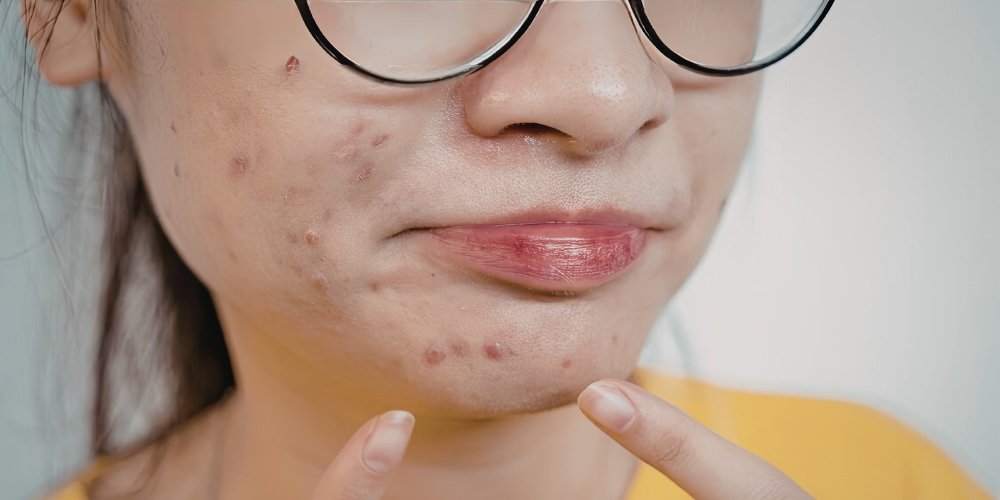
How to Identify Stress Acne
A dermatologist diagnosis is ideal, but these features strongly suggest stress is playing a role:
- Breakouts that appear during or shortly after stressful periods
- Flares that settle once the stressful period passes
- Breakouts that come with poor sleep or a disrupted routine
If you are unsure what is driving your breakouts, or your acne is not settling between stressful periods, we recommend booking an acne consultation so the right treatment can be started.
How to Treat Stress Acne
Stress acne is treated in the same way as other acne, with one important addition: managing the triggers that make it flare. The aim is to keep your skin stable enough that a stressful week does not undo months of progress.
1. A Consistent Acne Routine
The most effective protection against stress flares is an acne routine that you keep up every day, not just when your skin is bad. Topical retinoids help prevent new spots from forming, and benzoyl peroxide or salicylic acid help treat breakouts as they appear. Visit our guide to the best acne actives, which explains which ingredients suit which types of spots.
2. Treating Inflamed Spots Quickly
When a flare starts, treating inflamed spots early helps stop them from getting worse. Benzoyl peroxide works well for red spots, and pimple patches are useful for single spots, as they also stop you from picking. For deep, painful spots, see our guide on how to treat a cystic pimple.
3. Supporting Sleep and Managing Stress
Good sleep, regular exercise and time to switch off all help reduce the impact stress has on the skin. Keeping your skincare routine simple during busy periods also makes it easier to stick to, and avoids irritating your skin with too many products at once.
4. Prescription Treatment
If stress-related acne flares are frequent or severe, prescription treatments can help bring breakouts under control and reduce the risk of scarring. Depending on the type and severity of acne, treatment may include topical retinoids, combination gels containing a retinoid and an antibiotic or benzoyl peroxide and an antibiotic, oral antibiotics or hormonal treatments. For more severe or persistent acne, isotretinoin may be considered. The most appropriate treatment depends on your skin, medical history and previous response to treatment.
Learn the differences between retinoids in this guide.
Preventing Stress Breakouts
The best way to prevent stress breakouts is to keep your skin well controlled before stressful periods arrive. Sticking with a simple, consistent routine, getting enough sleep and resisting the urge to pick will all reduce the impact a stressful week has on your skin.
It also helps to plan ahead. If you know an exam period or a busy stretch at work is coming up, this is not the time to try new products. Keep your routine the same, and treat any spots early rather than waiting for a full flare.
How Long Do Stress Breakouts Last?
The duration of stress-related acne varies depending on the severity of the breakout, your underlying tendency to develop acne and whether you are receiving treatment.
- Active breakouts may begin to improve within a few weeks as stress levels reduce, although more persistent acne may require prescription treatment.
- Red or dark marks left behind after acne can take several months to fade naturally, particularly in darker skin tones where post-inflammatory hyperpigmentation may be more persistent.
- Persistent red marks may improve more quickly with laser or IPL treatment, which targets the blood vessels responsible for the redness.
Stress-related breakouts can recur during future periods of increased stress, particularly if the underlying acne is not well controlled. Maintaining a consistent treatment routine can help reduce the frequency and severity of flares.
If you are left with flat red marks after a breakout, see our guide to post-inflammatory erythema.
Frequently Asked Questions
Can stress cause acne?
Stress does not usually cause acne on its own, but it is a common trigger for flares in people who are already prone to breakouts. Stress affects hormones such as cortisol, increases oil production and inflammation, and disrupts sleep, all of which make acne more likely to flare.
What does stress acne look like?
Stress acne usually appears as red, inflamed spots that flare during or shortly after a stressful period. It can appear anywhere acne normally does, and it often comes with more marks than usual because people tend to pick or touch their face more when stressed.
Where do stress breakouts appear?
Stress breakouts can appear anywhere on the face, chest or back. Many adults, particularly women, notice them around the jawline and chin, where stress can add to the hormonal factors that already drive breakouts.
How long do stress breakouts last?
Stress breakouts often start to settle a few weeks after the stressful period passes, especially once sleep improves. A consistent acne routine helps them clear faster, while any red or dark marks left behind can take longer to fade.
How do you get rid of stress acne?
Stick to a consistent acne routine with ingredients such as a topical retinoid and benzoyl peroxide or salicylic acid, treat inflamed spots early and avoid picking. Supporting your sleep and managing stress also helps. If flares keep returning, a dermatologist can offer prescription treatment.
Can lack of sleep cause breakouts?
Lack of sleep can make acne worse. Poor sleep affects how the skin repairs itself and can increase inflammation, which makes breakouts harder to control. Stress and poor sleep often go together, which is why flares are common during busy periods.
Author: Dr Derrick Phillips, Consultant Dermatologist, MBBS BSc (HONS) FRCP (Dermatology)
Last reviewed: November 2026