

What CO₂ laser treats
Acne scars
Helps improve the appearance of indented (atrophic) acne scars.
Deep wrinkles and fine lines
Stimulates collagen production to smooth lines and wrinkles.
Surgical and traumatic scars
Helps smooth and improve the texture of scars caused by surgery or injury.
Sun damage and pigmentation
Resurfaces damaged outer skin layers to improve tone and clarity.
Skin laxity and texture
Encourages firmer, smoother and more radiant-looking skin.
How CO₂ laser works
The UltraPulse delivers precise fractional energy that resurfaces the skin and stimulates collagen regeneration over the following weeks and months. Treatment depth and density are tailored to your scarring or ageing pattern.
What to expect during treatment
Numbing cream — and, for deeper treatments, additional anaesthesia — is used for comfort. The treatment itself is efficient; the focus of the appointment is on careful, even delivery across the treatment area.
Downtime and aftercare
CO₂ involves more downtime than non-ablative lasers. Expect redness, swelling and a sandpaper-like texture for several days, followed by flaking as fresh skin emerges. Strict aftercare and sun protection are essential, and Dr Phillips will give you a clear recovery plan.
When will I see results?
Initial smoothing is visible once the skin has healed, with collagen-driven improvement in scarring and texture continuing for three to six months.
Once the skin has healed
Continued improvement
Collagen remodelling progressively improves scarring and skin texture.
Over 3–6 months
Initial smoothing
Early improvements in skin smoothness become visible following healing.
Once the skin has healed
Initial smoothing
Early improvements in skin smoothness become visible following healing.
Over 3–6 months
Continued improvement
Collagen remodelling progressively improves scarring and skin texture.
Suitability and skin of colour
Ablative lasers require particular caution in skin of colour, where the risk of post-inflammatory pigmentation is higher. Dr Phillips assesses suitability carefully and adjusts settings — or recommends a non-ablative alternative such as the LaseMD Ultra — where that is the safer route.
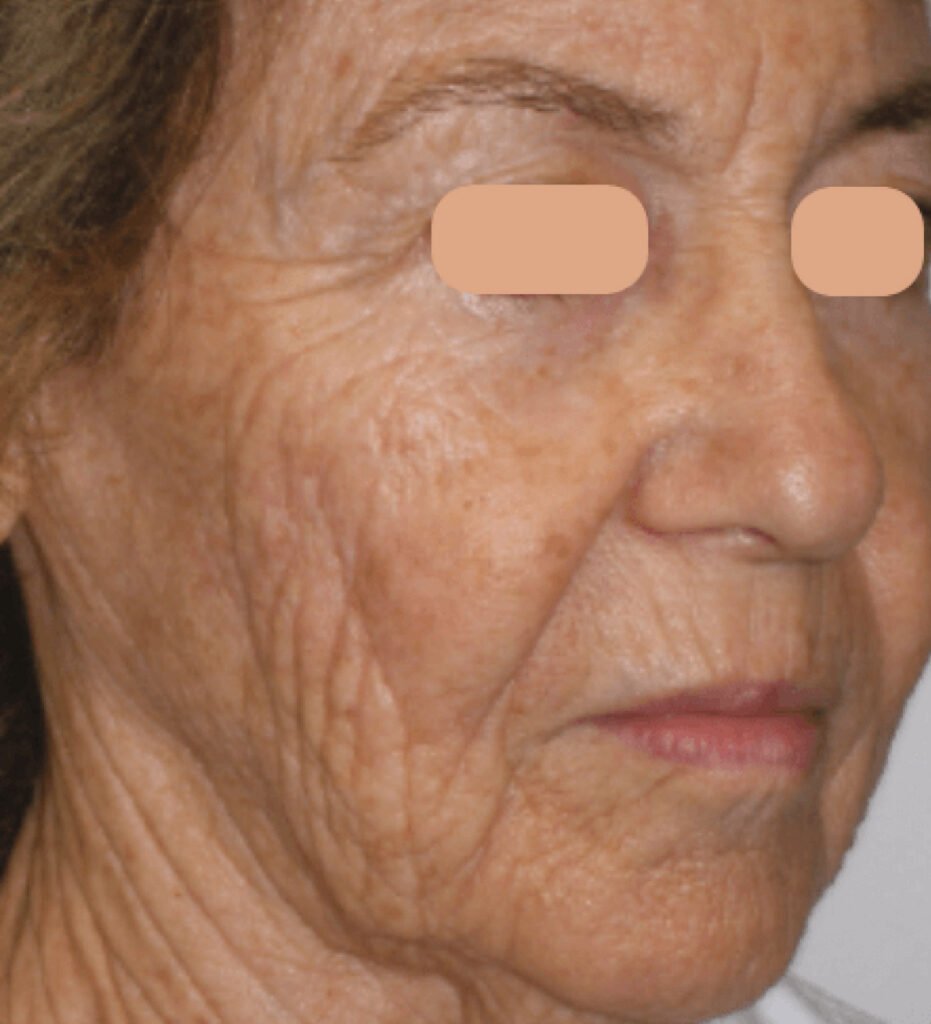
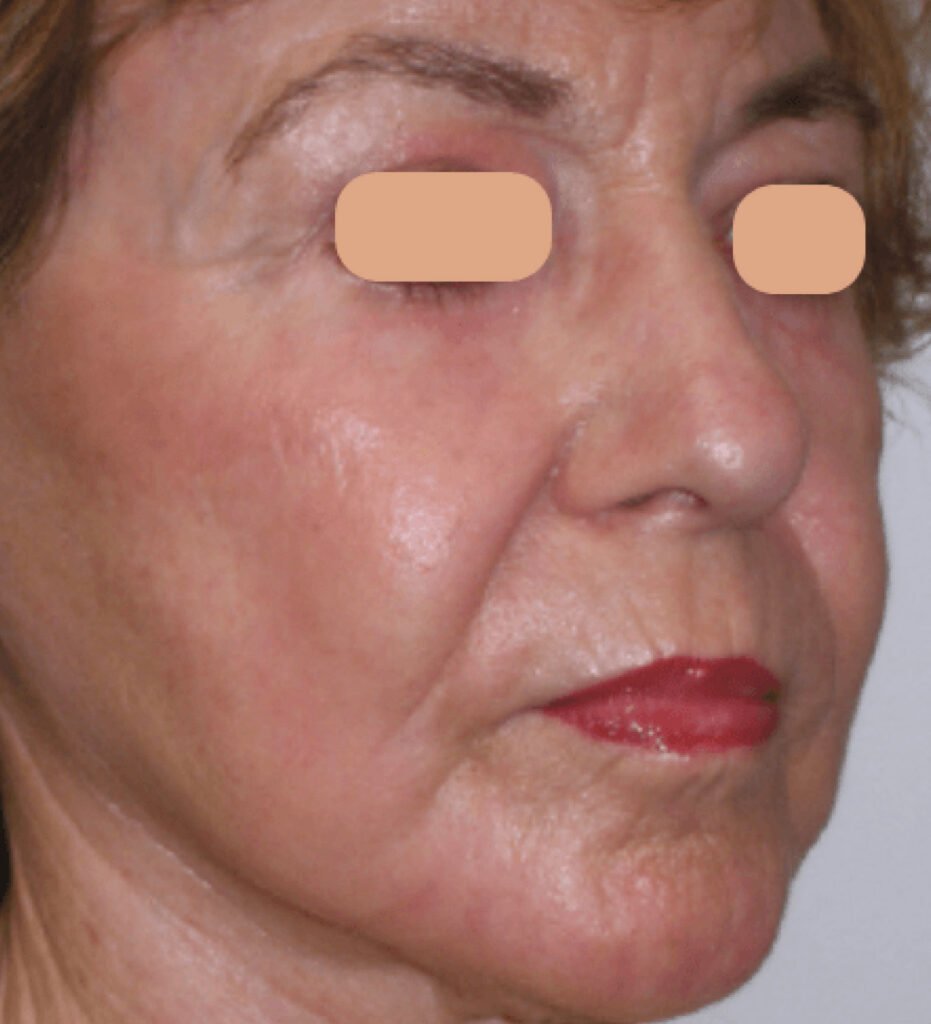
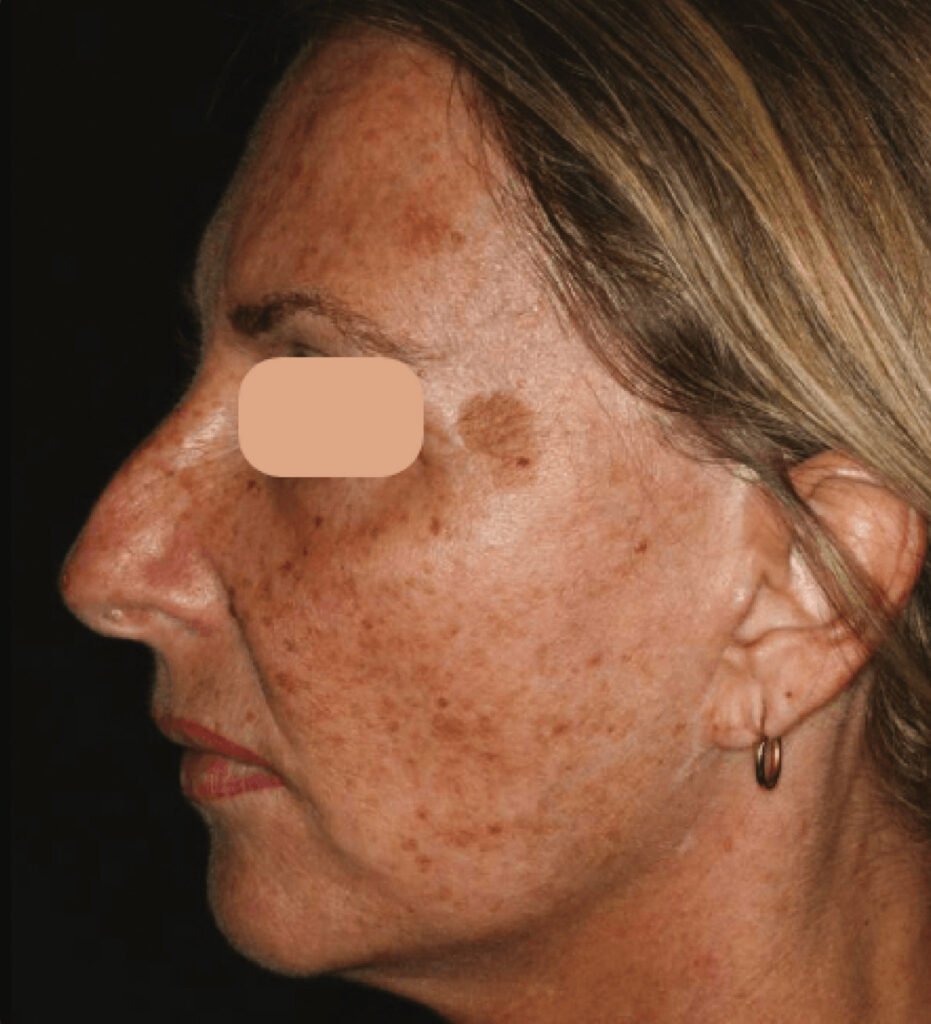
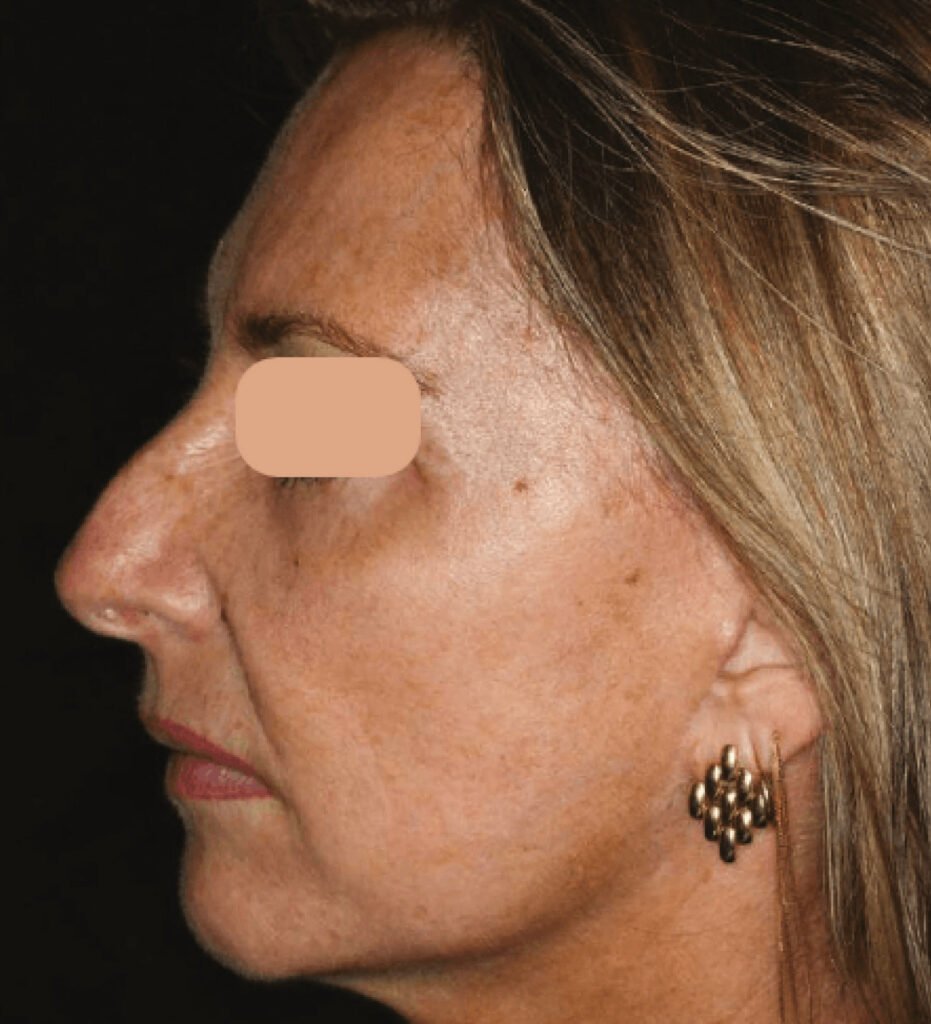
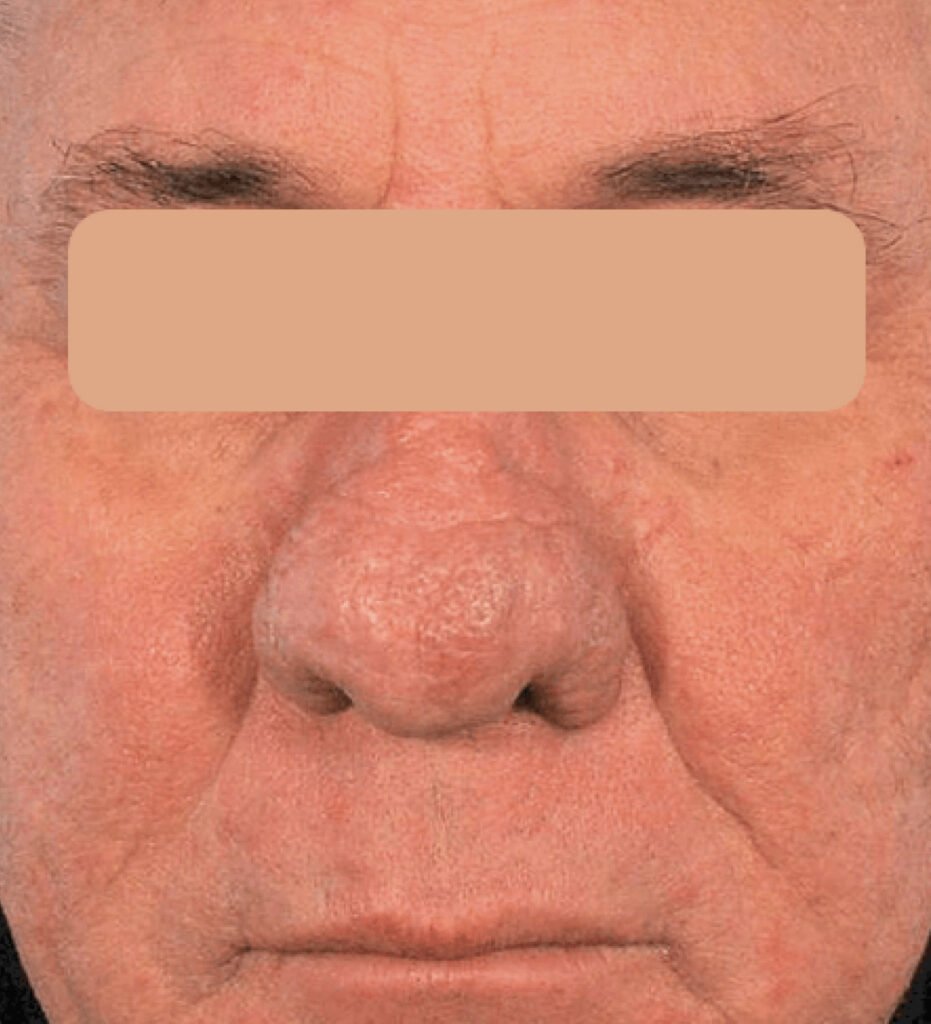
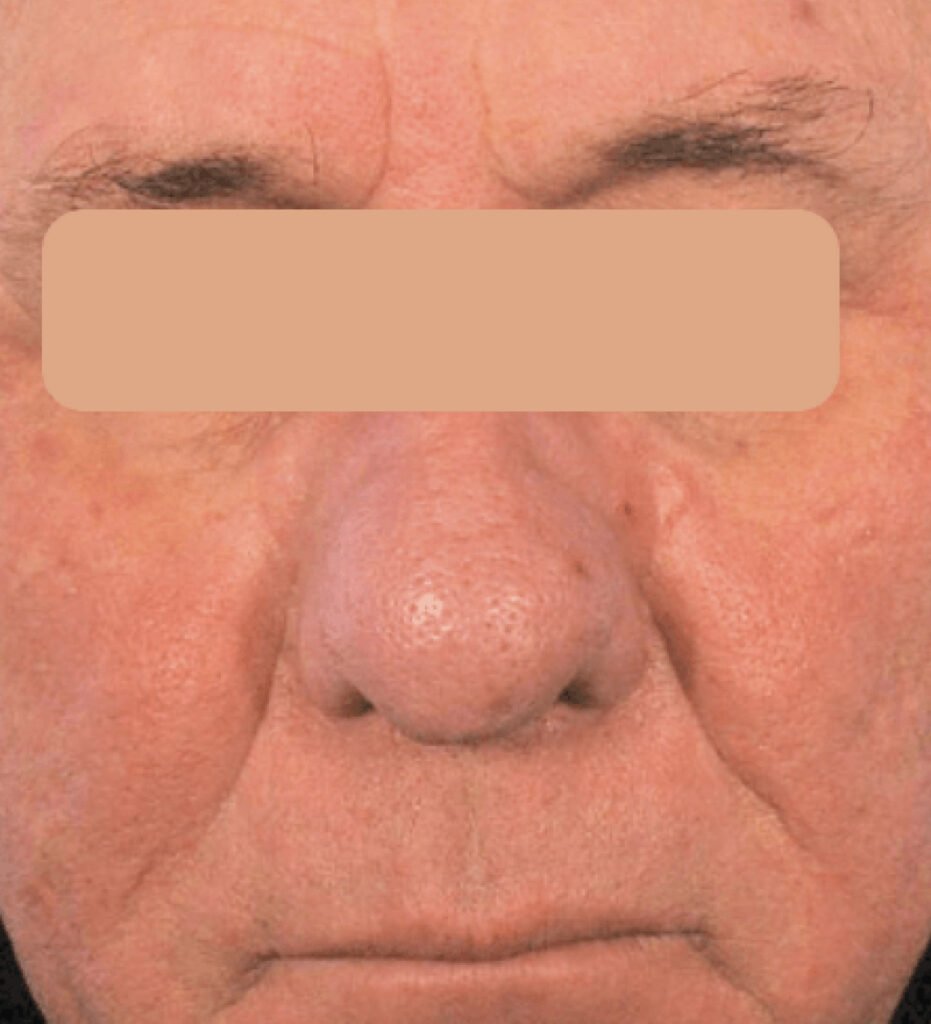
Before and after:
CO₂ laser results
Why choose Dr Derrick Phillips for CO₂ laser in London
CO₂ resurfacing rewards experience and judgement. As a Consultant Dermatologist with hundreds of surgical hours, Dr Phillips combines technical precision with a deep understanding of how different skin types heal — so treatment is powerful where it needs to be and conservative where it should be.