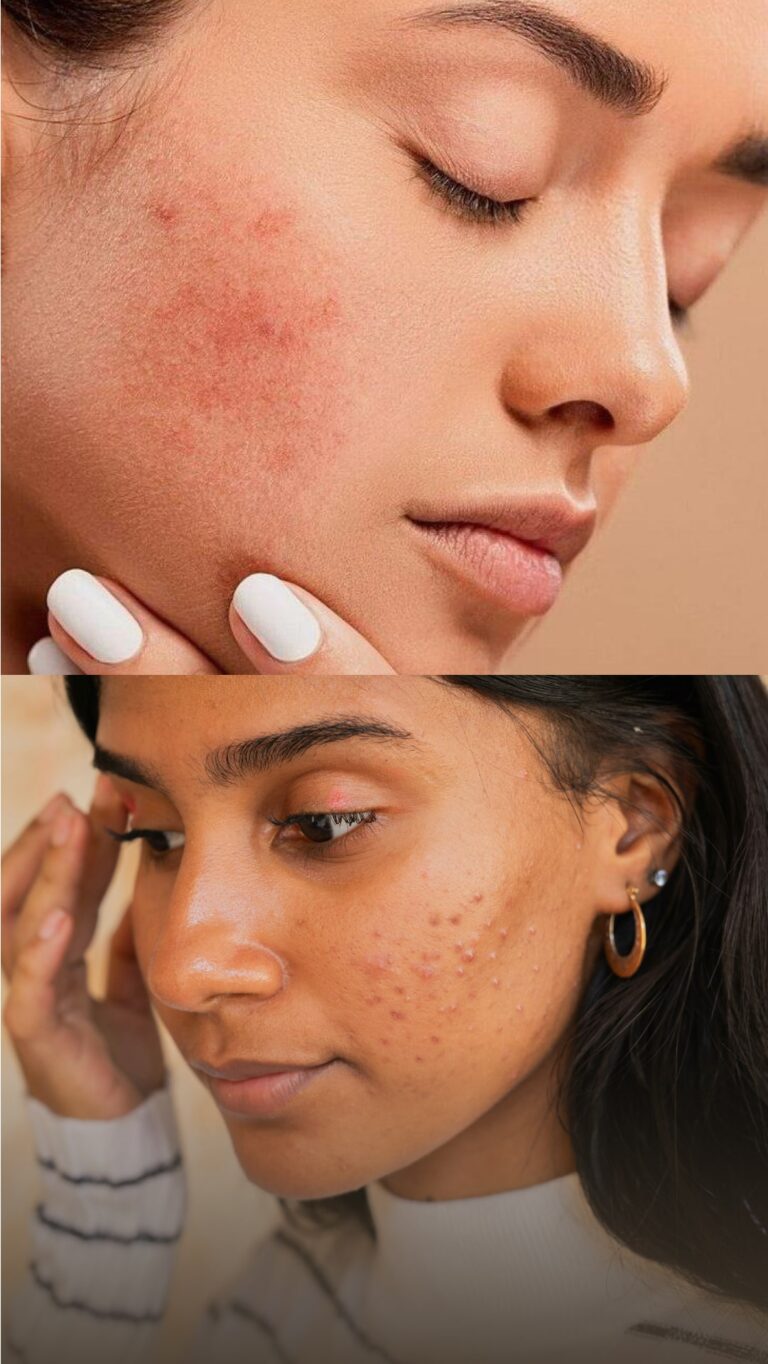
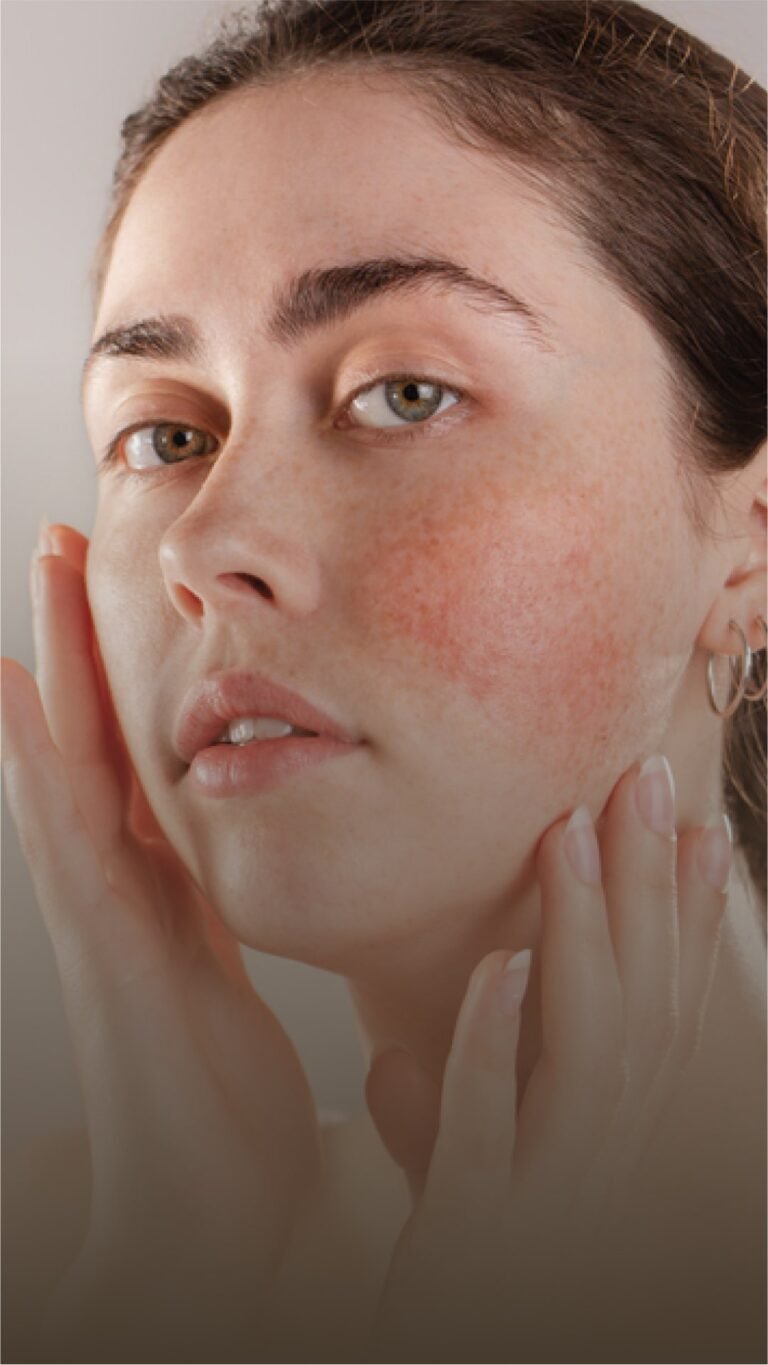
Not all rosacea treatments are equally effective, and many patients spend years rotating through options that weren’t the right choice for their subtype. As a Consultant Dermatologist specialising in rosacea treatment in London, Dr Derrick Phillips ranks the best rosacea treatment options by clinical effectiveness, explaining what each does, who it suits, and why some options that have been around for decades are no longer his first recommendation.
The treatment rankings below reflect Dr Phillips’s clinical judgement based on effectiveness, mechanism, tolerability and real-world patient outcomes. They are not a substitute for a medical consultation, as rosacea has several subtypes, and the right treatment depends entirely on which features are driving your skin.
What is rosacea?
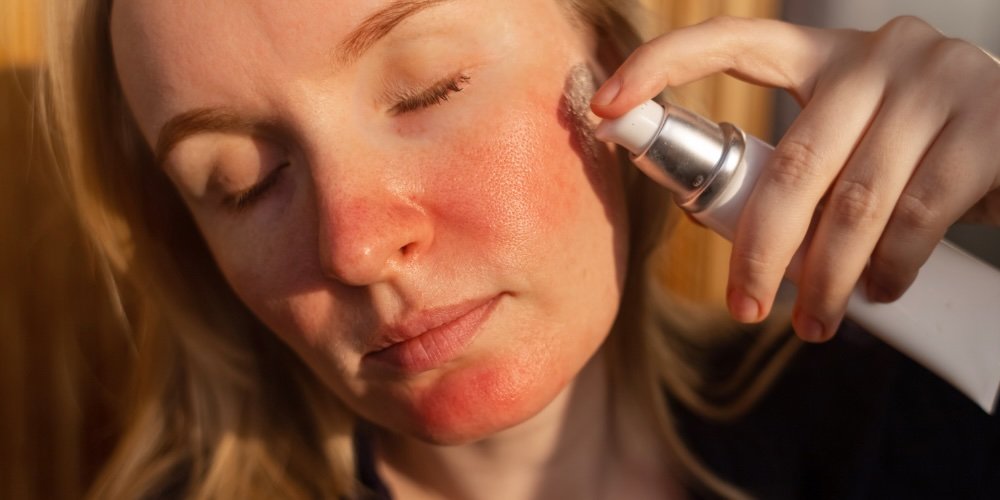
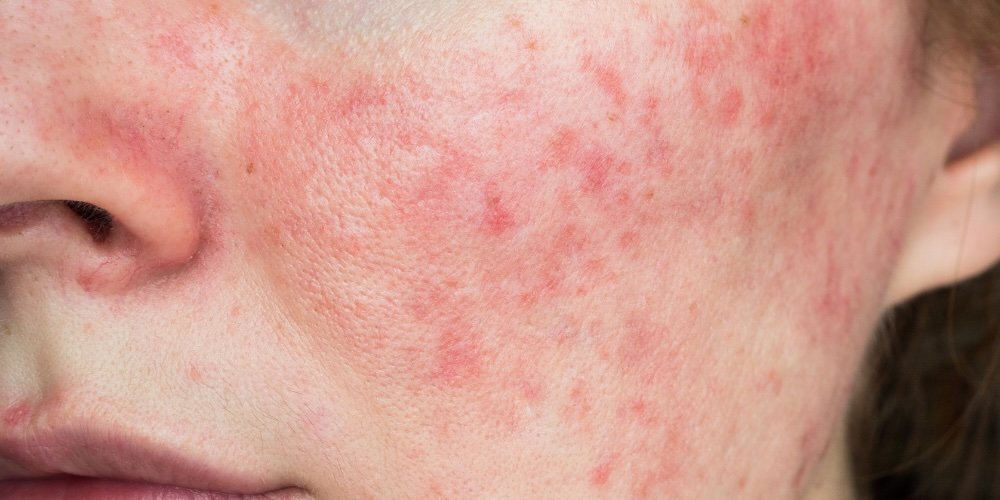
Rosacea is a chronic inflammatory skin condition affecting the central face, causing persistent redness, flushing, visible blood vessels, acne-like spots or skin thickening, depending on the subtype. It is not one condition with one treatment: erythematotelangiectatic rosacea is driven by vascular redness and flushing; papulopustular rosacea produces inflammatory spots and pustules; phymatous rosacea causes skin thickening, most commonly on the nose; and ocular rosacea affects the eyes. Many patients have overlapping features of more than one subtype — which is why the treatment that works for one person may do very little for another.
Rosacea Treatments from Best to Worst
1. Low-dose isotretinoin — 10/10
Isotretinoin is best known as a treatment for severe acne, but at low doses it is one of the most effective options available for severe or treatment-resistant rosacea — particularly for patients with persistent flushing, papulopustular rosacea that hasn’t responded to antibiotics, or early phymatous change. It works by dramatically reducing sebaceous gland activity and oil production, which calms the inflammatory cycle that drives rosacea flares.
This is an off-label use — isotretinoin does not have a specific licence for rosacea in the UK — but the clinical evidence and real-world outcomes are well established, and it is used by experienced dermatologists for patients who have exhausted other options. At low doses (typically 5–20mg rather than the higher doses used for acne), it is significantly better tolerated than a full acne course, with a reduced side-effect profile.
Dr Phillips rates it 10/10 because, for the right patient, it achieves results no topical or antibiotic treatment can match.
Who it suits: Severe, treatment-resistant rosacea; persistent papulopustular disease unresponsive to antibiotics; early rhinophyma. This option requires careful prescribing and monitoring.
Not right for: Mild rosacea; patients seeking a quick or topical solution; those trying to conceive (strict contraception requirements apply, as with all isotretinoin use).
Book a consultation to discuss whether low-dose isotretinoin is appropriate for your rosacea.
2. Sunscreen — 9/10
Sunscreen ranks second, not because it treats rosacea directly. but because UV exposure is one of the most consistent and significant rosacea triggers. No other treatment works as well as it should when UV-driven inflammation is continuously undermining it. Rosacea-prone skin is photosensitive, and repeated UV exposure perpetuates the vascular and inflammatory damage that makes the condition worse over time.
Consistent, daily broad-spectrum SPF 30 or higher is non-negotiable for every rosacea patient — not seasonal, not only on sunny days, but every morning as part of the routine. The formulation matters too: many conventional sunscreens contain alcohol, fragrance or chemical filters that can irritate rosacea-prone skin. Mineral sunscreens (zinc oxide, titanium dioxide) are generally better tolerated.
Dr Phillips rates it 9/10 because it is the single intervention most consistently applied incorrectly or incompletely — and the one that makes every other treatment less effective when it is absent.
Who it suits: Every rosacea patient, regardless of subtype or treatment stage. Not optional.
3. Vascular lasers — 9/10
For visible blood vessels, persistent facial redness and flushing — the erythematotelangiectatic (vascular) subtype — laser and light treatments are the most targeted and effective intervention available. They work by delivering energy that is selectively absorbed by the blood vessels causing redness and visible telangiectasia, collapsing them without damaging the surrounding skin.
At Dr Phillips’s clinic, the main options for vascular rosacea are the Lutronic Derma V and the Stellar M22 IPL. The choice between them depends on skin tone, the pattern of redness and whether discrete vessels or diffuse redness is the dominant feature. IPL carries a higher risk in darker skin tones, where the Derma V is typically the preferred option.
Dr Phillips rates vascular lasers 9/10 because they achieve reductions in redness and vessel visibility that prescription topicals simply cannot — and because the results are visible and meaningful to patients who have lived with visible flushing and redness for years.
Who it suits: Erythematotelangiectatic (vascular) rosacea; visible telangiectasia; persistent flushing unresponsive to topicals. Often combined with medical treatment for comprehensive control.
Skin tone note: IPL is not suitable for all skin tones. Laser choice is assessed individually at consultation.
Book a consultation to find out whether vascular laser treatment is appropriate for your rosacea.
4. Ivermectin cream (Soolantra) — 8/10
Ivermectin cream — marketed as Soolantra in the UK — targets Demodex mites, the microscopic organisms that live naturally in hair follicles and are found in significantly elevated numbers in patients with rosacea. By reducing mite density, it breaks one of the key inflammatory drivers of papulopustular rosacea and is both anti-inflammatory and anti-parasitic in its action.
It rates 8/10 because it addresses a specific mechanism — the Demodex burden — that other treatments do not, and it does so with a good tolerability profile. In clinical trials, it has been shown to outperform metronidazole for papulopustular rosacea, which is a significant finding given how established metronidazole has been as the default topical option. It works slowly — results typically take 8–12 weeks to become apparent — but the improvement is meaningful and sustained.
Who it suits: Papulopustular rosacea — particularly where Demodex is suspected as a significant driver. Suitable for long-term use.
Book a consultation to find out whether Soolantra is the right prescription for your rosacea subtype.
5. Oral antibiotics (tetracyclines) — 8/10
Oral antibiotics — particularly doxycycline and lymecycline — work in rosacea not primarily as antibiotics but as anti-inflammatory agents. At the doses used for rosacea (typically sub-antimicrobial for doxycycline), they reduce the inflammatory cascade driving papules and pustules without the antibiotic side effects associated with higher doses.
They are well-evidenced, fast-acting relative to topical treatments, and useful for managing flares and bringing moderate-to-severe papulopustular rosacea under control quickly. The main limitation is that they are a maintenance option rather than a long-term solution — rosacea tends to return when antibiotics are stopped, which is why they work best as a bridge to longer-term topical or laser treatment rather than as a standalone indefinite prescription.
Dr Phillips rates them 8/10 for their anti-inflammatory efficacy and speed of action, with the caveat that they should not be the only treatment in the plan.
Who it suits: Moderate-to-severe papulopustular rosacea; flare management; short-to-medium term control while other treatments are established.
Not right for: Long-term use as the sole treatment; patients seeking a permanent solution.
Book a consultation to find out whether oral antibiotics are right for your rosacea.
6. Azelaic acid — 7/10
Azelaic acid is an anti-inflammatory acid that reduces the papules, pustules and redness of rosacea while also addressing post-inflammatory pigmentation, making it particularly useful for patients managing both rosacea redness and the hyperpigmentation that can accompany it, especially in skin of colour. It is available over the counter at lower concentrations (typically 10%) and on prescription at higher concentrations (15% gel — Finacea, 20% cream — Skinoren) where greater efficacy is needed.
It rates 7/10 because it is effective, well-tolerated and genuinely useful in skin of colour, but it is slower-acting and less potent than ivermectin for papulopustular rosacea, and less targeted than laser for vascular redness. Its strength is as part of a maintenance regimen rather than as a primary treatment for moderate or severe disease.
Who it suits: Mild-to-moderate papulopustular rosacea; maintenance; patients with rosacea and post-inflammatory hyperpigmentation; skin of colour.
Available as: OTC (lower strength) and prescription (higher strength, Finacea or Skinoren).
7. Brimonidine gel (Mirvaso) — 7/10
Brimonidine gel constricts the blood vessels responsible for rosacea redness, producing a rapid, visible reduction in facial redness within 30 minutes of application — effects that last approximately 8–12 hours. This makes it unique among rosacea treatments: it is the only option that produces an on-demand, same-day improvement in redness.
The rating of 7/10 reflects both its genuine utility and its significant limitation — rebound redness. A proportion of patients experience a rebound flushing response after the medication wears off that can be more pronounced than their baseline redness, which is distressing and sometimes leads patients to apply more gel to counteract it, worsening the cycle. It is not a treatment that addresses the underlying condition.
Dr Phillips recommends it selectively — for patients with an event or occasion where rapid redness reduction is needed — rather than as a daily maintenance treatment.
Who it suits: Situational redness management; patients with event-driven needs. Used with awareness of rebound risk.
Not right for: Daily long-term use as the sole treatment.
8. Metronidazole gel — 6/10
Metronidazole gel has been a standard topical treatment for rosacea for decades and continues to appear on most rosacea prescribing guidelines. It has anti-inflammatory properties and reduces papules and pustules in papulopustular rosacea with a reasonable tolerability profile.
The 6/10 rating reflects a straightforward clinical reality: the evidence base has moved on. Ivermectin cream has been shown in direct comparison studies to outperform metronidazole for papulopustular rosacea outcomes — meaning it is no longer the most effective topical option available. Metronidazole is not a bad treatment; it simply has a better alternative for most patients presenting with the papulopustular subtype.
It may still be appropriate where ivermectin is not available, not tolerated or not covered by a prescription plan — and it remains a reasonable maintenance option for mild disease.
Who it suits: Mild papulopustular rosacea; maintenance; where ivermectin is unavailable or not tolerated.
How Dr Phillips uses these treatments in clinic
The rankings above reflect individual treatment efficacy, but in practice, most patients benefit from a combination approach rather than a single treatment. A typical plan for papulopustular rosacea with background redness might combine oral antibiotics to bring active inflammation under control quickly, ivermectin cream as the maintenance topical, vascular laser to address the residual redness and vessels that topicals cannot clear, and sunscreen as the non-negotiable daily foundation.
The sequence and selection always depend on:
- Subtype — vascular, papulopustular, phymatous, ocular or a combination
- Severity — mild, moderate or severe
- Skin tone — particularly relevant for laser choice and azelaic acid use
- Previous treatments — what has and hasn’t worked, and why
- Patient preference — on-demand versus maintenance; topical versus systemic
FAQs
What is the most effective treatment for rosacea?
It depends on the subtype. For visible blood vessels and flushing, vascular laser is the most targeted option. For papules and pustules, ivermectin cream or oral antibiotics are most effective. For severe or resistant rosacea, low-dose isotretinoin can achieve results that other treatments cannot. Most patients benefit from a combination approach.
Is azelaic acid good for rosacea?
Yes — it reduces inflammation, papules and redness and also helps with post-inflammatory hyperpigmentation, making it particularly useful for patients with skin of colour. It is available over the counter at lower strengths and on prescription at higher concentrations (Finacea 15% gel, Skinoren 20% cream).
Does metronidazole gel work for rosacea?
It does, but clinical evidence now shows that ivermectin cream outperforms metronidazole for papulopustular rosacea in direct comparison studies. Metronidazole remains a reasonable option for mild disease or where ivermectin is unavailable, but it is no longer the most effective topical choice for most patients.
What is brimonidine gel used for?
Brimonidine gel (Mirvaso) constricts blood vessels to temporarily reduce facial redness within 30–60 minutes. It is useful for event-driven redness management but carries a risk of rebound redness after it wears off, and is not recommended as a daily long-term treatment.
Can isotretinoin treat rosacea?
Yes — at low doses, isotretinoin is highly effective for severe or treatment-resistant rosacea, including cases that haven’t responded to antibiotics or topicals. This is an off-label use in the UK, requiring careful prescribing and monitoring by a consultant dermatologist.
Does sunscreen help rosacea?
Yes — UV exposure is one of the most consistent rosacea triggers, and daily broad-spectrum sunscreen is essential for all rosacea patients regardless of subtype or treatment. Mineral formulations (zinc oxide, titanium dioxide) are generally better tolerated on rosacea-prone skin than chemical filters.