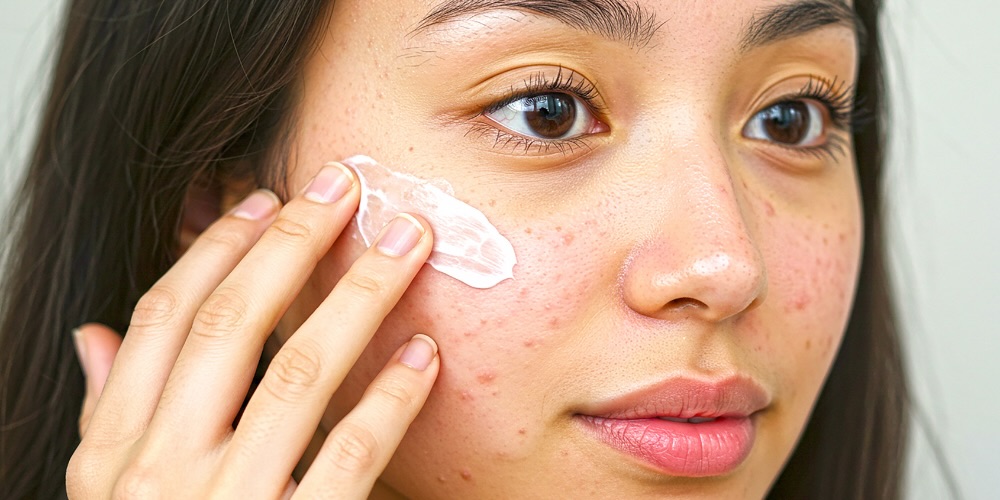
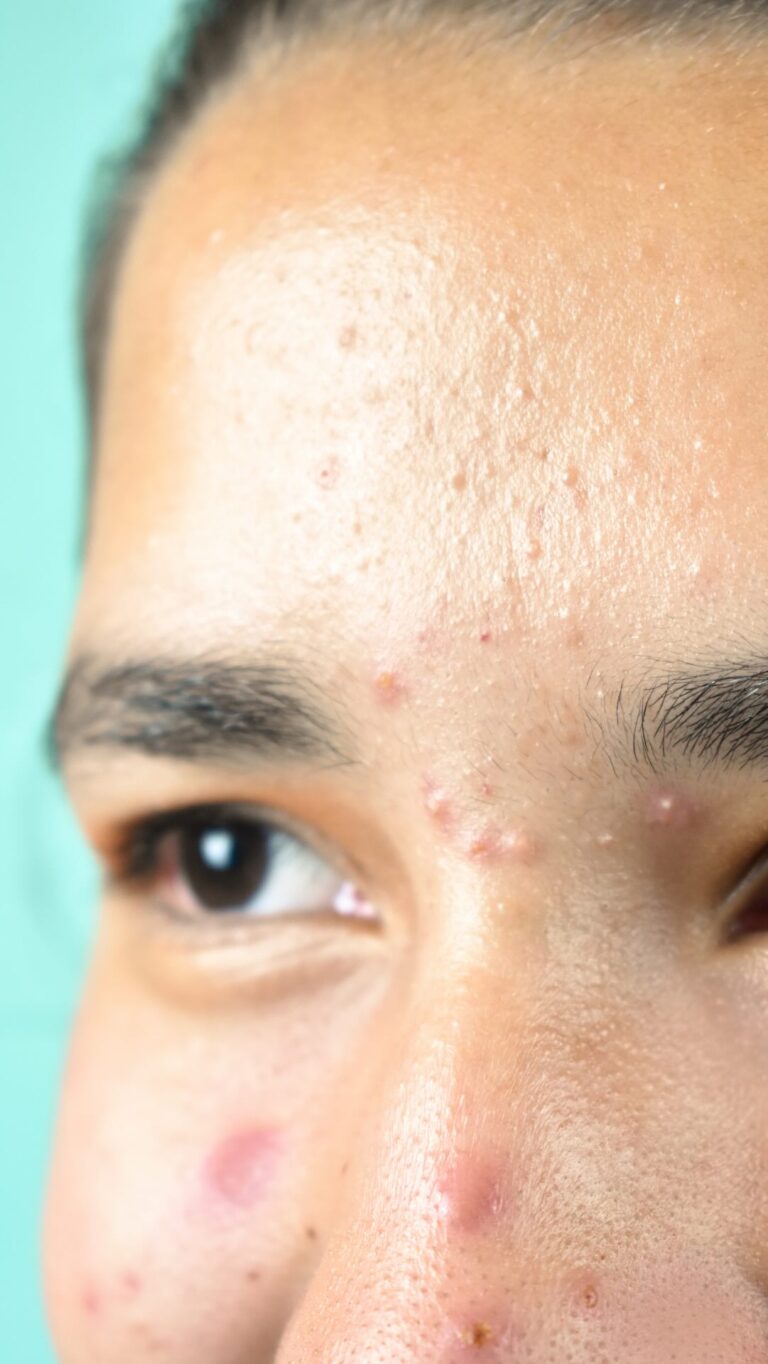
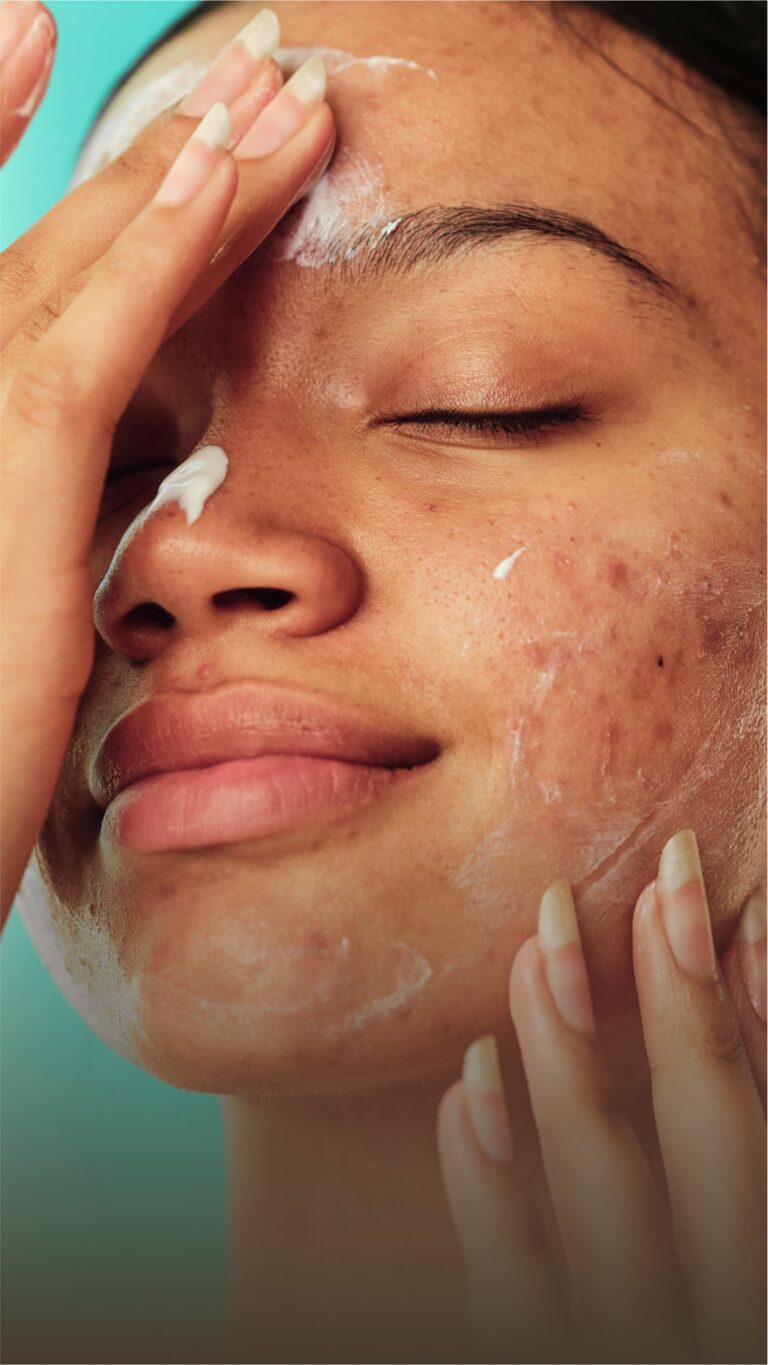
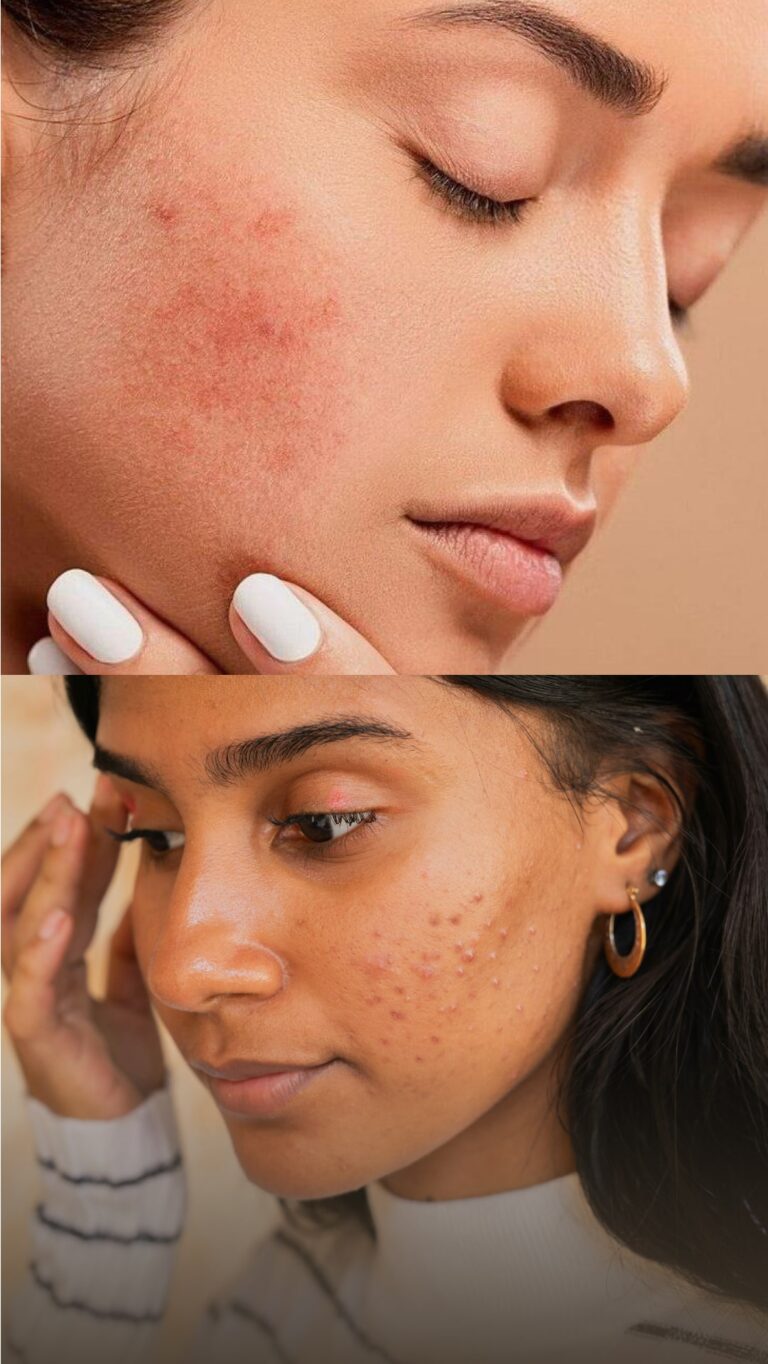
Acne can leave long-lasting marks that remain long after the active breakouts have resolved. Many patients struggle with acne scars, which can significantly impact skin texture and confidence.
As a consultant dermatologist, Dr Derrick Phillips emphasizes that identifying the specific type of acne scarring—from atrophic scars such as ice pick, boxcar, and rolling scars, to raised keloid scars—is the critical first step in choosing the right treatment. Effective acne scar treatment requires a customized combination of procedures, prescription skincare, and, in some cases, laser or light therapy.
This comprehensive guide brings together Dr Phillips’ expert insights to help you understand how scars form, whether they fade naturally, and the most effective acne scar removal options available today.
What Causes Acne Scars?
Acne scars result from inflammation damaging the deeper layers of the skin. When acne lesions, especially cystic acne, penetrate deeply, they injure collagen, elastin, and tissue structure. During healing, the skin may produce too little collagen, leading to depressed scars, or too much collagen, resulting in raised scars such as hypertrophic and keloid scars.
Severity, genetics, and how early acne is treated all influence whether scarring develops. Picking, squeezing, or repeatedly traumatizing acne lesions also increases the risk of permanent marks.
Atrophic Scarring: Depressed Acne Scars
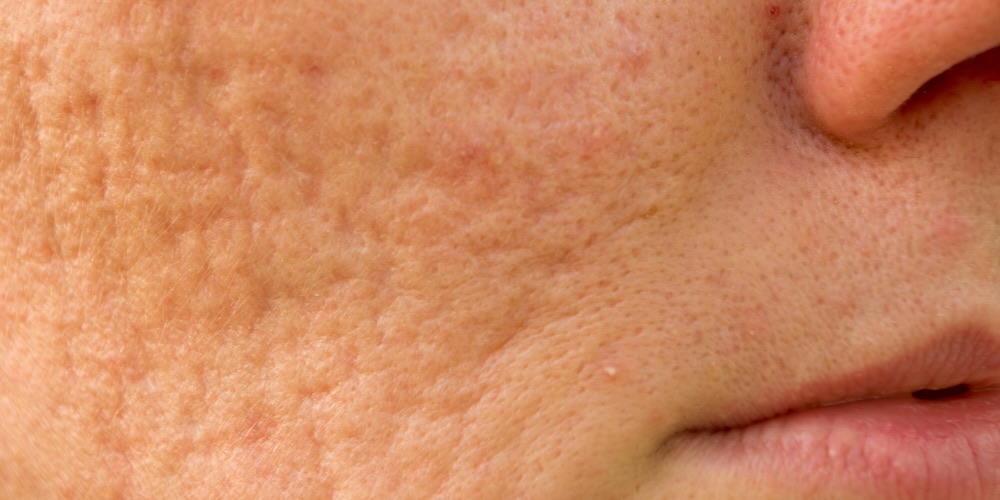
Depressed, or atrophic, acne scars form when the skin loses collagen during inflammation and cannot rebuild its structural support. These scars create indentations or dips in the skin and are among the most common types of acne scarring.
There are three key subtypes of depressed scars:
Ice pick scars are deep, narrow, and sharply pointed, extending into the lower layers of the skin. They often result from severe or cystic acne and are one of the most challenging scar types to treat. Professional treatments like TCA CROSS, microneedling, and fractional lasers are typically required for meaningful improvement.
Boxcar scars have well-defined, sharp edges and appear as round or oval depressions. Because they affect broader surface areas of the skin, they respond well to treatments that rebuild collagen such as microneedling, trichloroacetic acid peels, and ablative or non-ablative laser treatment for acne scars.
Rolling scars cause shallow, wave-like indentations due to fibrous bands pulling the skin downward. These scars often require subcision to release the tethering bands, followed by collagen-stimulating procedures like microneedling or laser therapy to smooth the surface.
Treatments for Depressed Acne Scars in London
Topical Retinoids
Retinoids stimulate cell turnover and gradually improve the appearance of mild atrophic scars. They are often used as part of a long-term scar treatment plan and enhance the results of in-office procedures.
Dr Derrick Phillips can prescribe a prescription strength retinoid to achieve the best results. Book a consultation.
Microneedling
Microneedling works by creating controlled micro-injuries that trigger collagen production. Over multiple sessions, it improves texture, reduces the depth of atrophic scars, and thickens the skin’s support structure. It is suitable for many skin tones and has minimal downtime.
Dr Derrick Phillips will create a customized treatment plan based on your acne scarring. Book a consultation to see if the in-office microneedling treatment is recommended for you.
Trichloroacetic Acid (TCA) Peels
TCA peels help resurface the skin and stimulate deeper collagen remodeling. The TCA CROSS technique—applying high-strength TCA directly inside an ice pick scar—is especially effective for treating narrow, deep scars that other methods struggle to target.
Dr Derrick Phillips will determine the strength of the peel for ideal results. Book a consultation to learn more about TCA peels and receive a customized acne scar removal plan.
Laser Treatment for Acne Scars
Laser therapy remains a cornerstone of professional acne scar treatment and one of the most effective treatments offered in clinic.
- Ablative lasers remove damaged skin layers and stimulate strong collagen remodeling, ideal for deeper boxcar and mixed atrophic scars.
- Non-ablative lasers heat the underlying skin to promote gradual collagen rebuilding with less downtime.
These treatments can significantly smooth the appearance of acne scars and improve overall skin texture, making them one of the most powerful forms of acne scar removal.
Dr Derrick Phillips performs acne scar laser treatments in his private London dermatology office. Book a consultation to see if laser is recommended for your acne scarring!
Learn more about all of Dr Derrick Phillips’ Cosmetic Dermatology Services Here
Hypertrophic Scars: Raised and Keloid Acne Scars
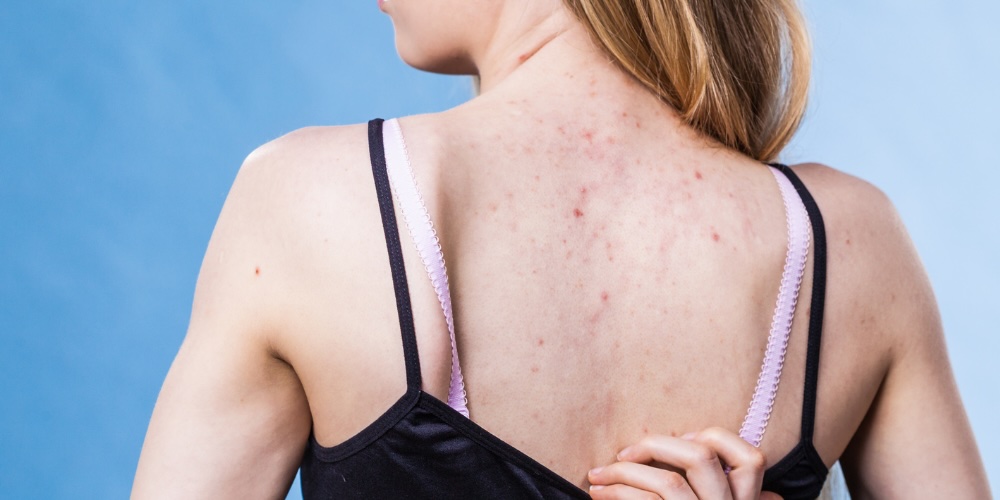
Raised acne scars form when the skin heals with excessive collagen, creating thick, firm, elevated areas. Hypertrophic scars stay within the boundary of the original acne lesion, while keloid scars grow beyond it and may continue expanding over time. Raised scars are more common on areas such as the chest, back, shoulders, and jawline, and more prevalent in skin of colour.
Raised and keloid scars require treatments that reduce collagen or break down excessive scar tissue—opposite to the approach for atrophic scars.
Treatments for Raised and Keloid Scars
Steroid Creams
Topical steroids can help soften mild hypertrophic scars by reducing inflammation and collagen production near the skin’s surface. Dr Derrick Phillips can prescribe steroid creams based on your acne scarring needs. Book a consultation to start your acne scar removal journey.
Steroid Injections
Intralesional steroid injections are one of the most effective treatments for raised scars and keloids. They work by shrinking excess collagen, flattening the scar, and improving symptoms such as tenderness or itching. Steroid injections are easily done in Dr Derrick Phillips’ dermatology office in London. Book a consultation to learn more about steroid injections for acne scarring.
Microneedling
Microneedling can help disrupt dense scar tissue and improve texture. For raised scars, it is often used in combination with steroid treatments for optimal results. Dr Derrick Phillips will create a customized plan to treat your acne scarring. Book a consultation here.
Laser Treatments
Vascular lasers target redness and blood flow within keloid tissue, helping shrink and flatten the scar. Fractional lasers may also soften long-standing scars and improve texture.
Dr Derrick Phillips offers in-office laser treatment in his London dermatology office. Book a consultation to learn more about laser treatment for hypertrophic acne scars.
Will Acne Scars Fade Away Naturally?
A common question Dr Phillips receives in clinic is, “Will acne scars fade away on their own?”
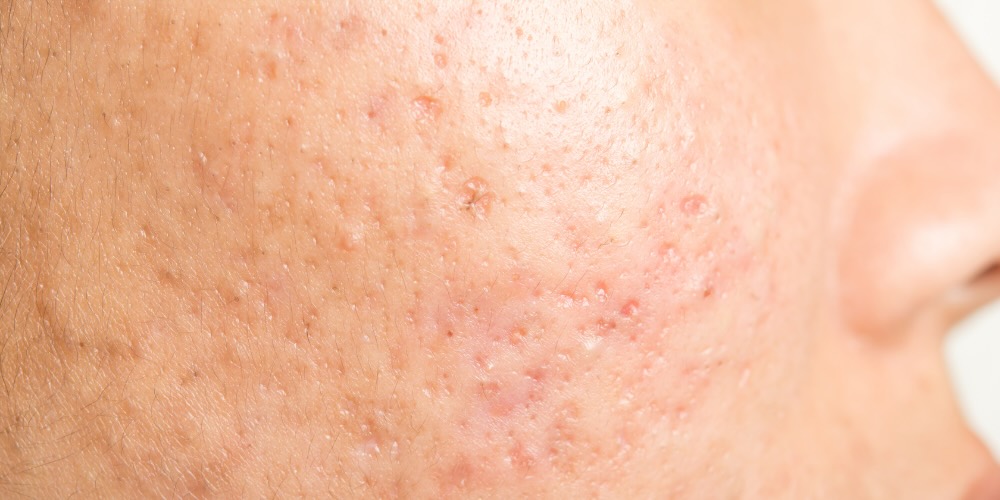
True acne scars—including ice pick, boxcar, rolling, hypertrophic, and keloid scars—do not disappear completely without treatment.
Post-inflammatory hyperpigmentation (dark marks) can often fade with time and topical skincare.
Shallow atrophic scars may improve slightly as collagen regenerates, but most structural scars require professional interventions.
Effective acne scar removal usually involves a combination of treatments tailored to your specific scar type.
Can You Get Rid of Acne Scars Completely?
While no treatment can promise 100% removal, modern dermatology and professional treatments can deliver dramatic, life-changing improvements. Combination therapy often provides the best results, incorporating:
- Retinoids
- Microneedling
- Chemical peels
- Fractional and ablative laser therapy
- Creams and Skin Care Products
With the right plan, scars can become significantly smoother, shallower, and less noticeable, giving the skin a more even and refined texture.
Do Acne Scar Removal Creams or Ointments Work?
Many patients look for an acne scar removal cream or ointment to treat pimple scars at home. These products can help with pigmentation and mild textural irregularities, but they cannot remove deep structural scars.
The Best Skin Care Products and Creams for Acne Scars are:
- Retinoids
- Silicone sheets and gels
- Vitamin C
- Glycolic acid
These topical acne products are best used as supportive therapy alongside professional treatments.