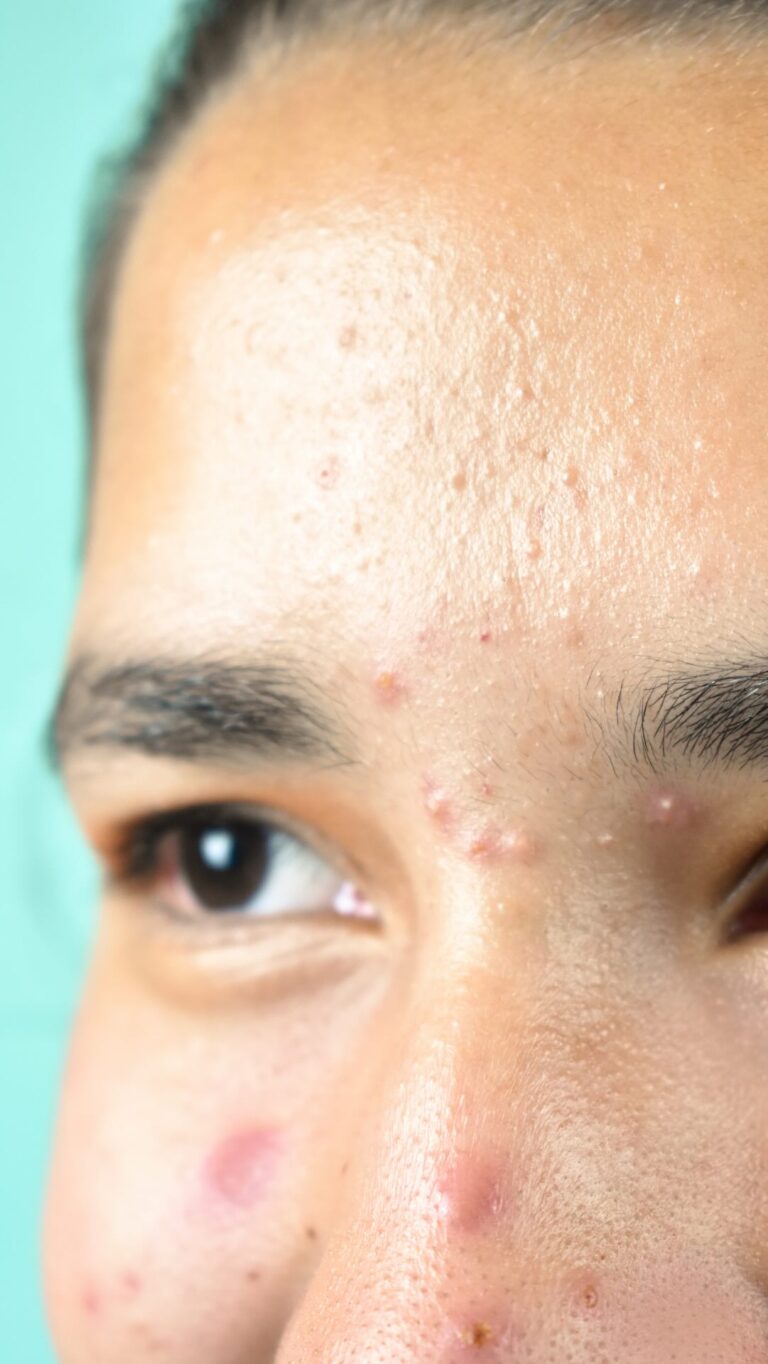
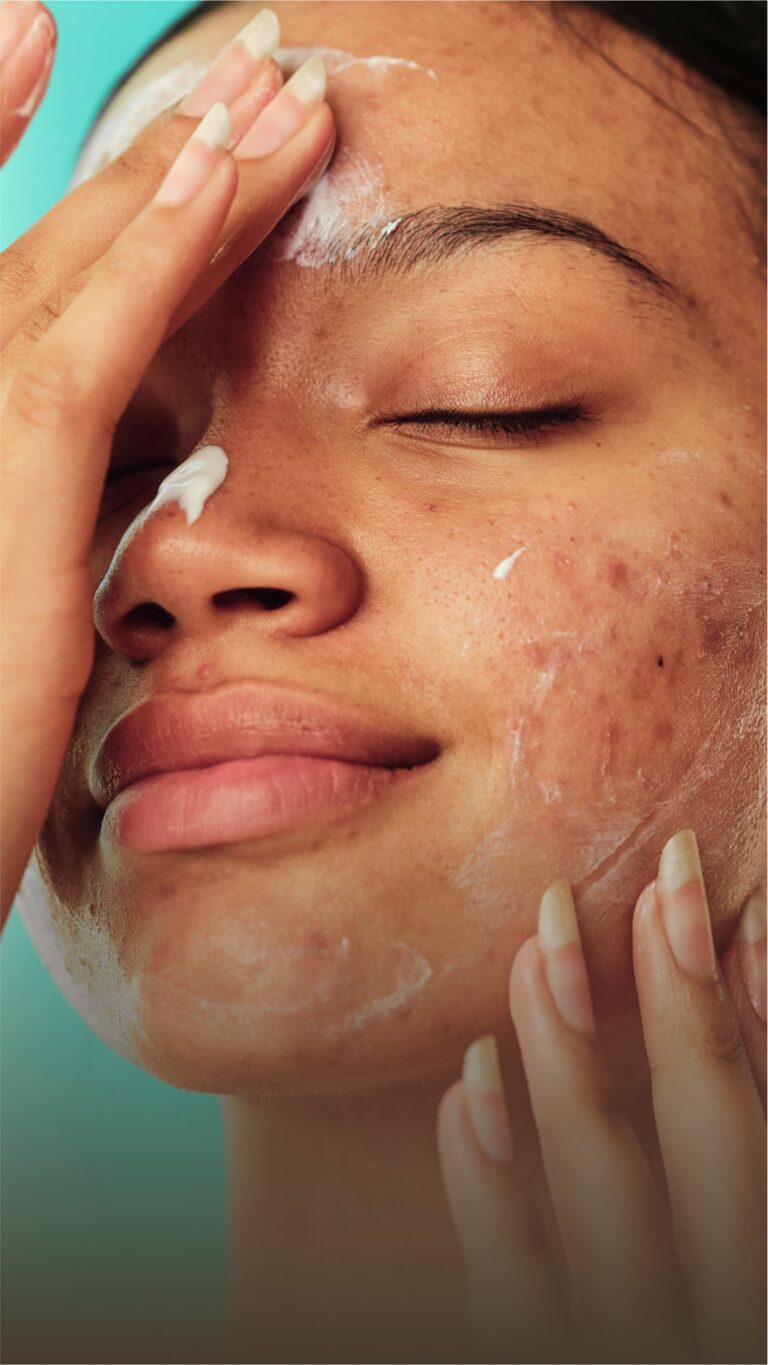
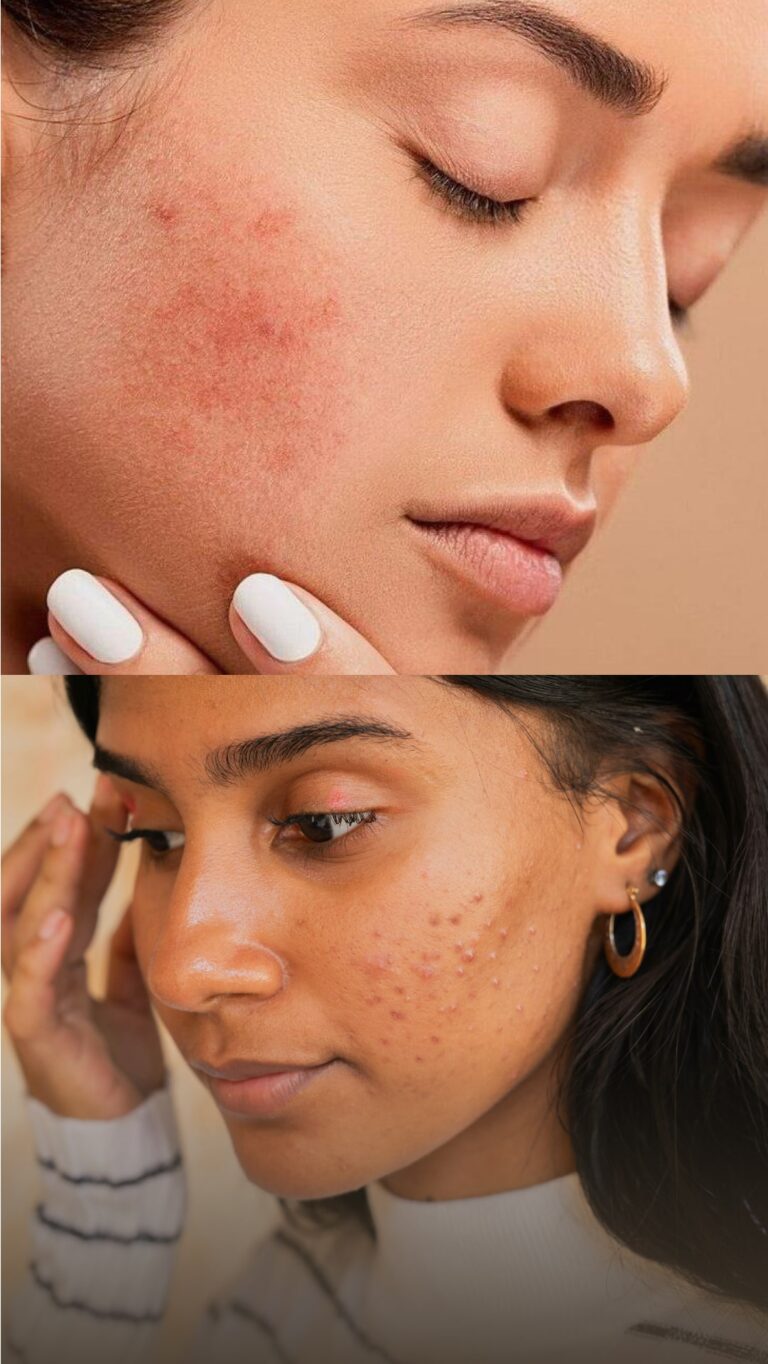
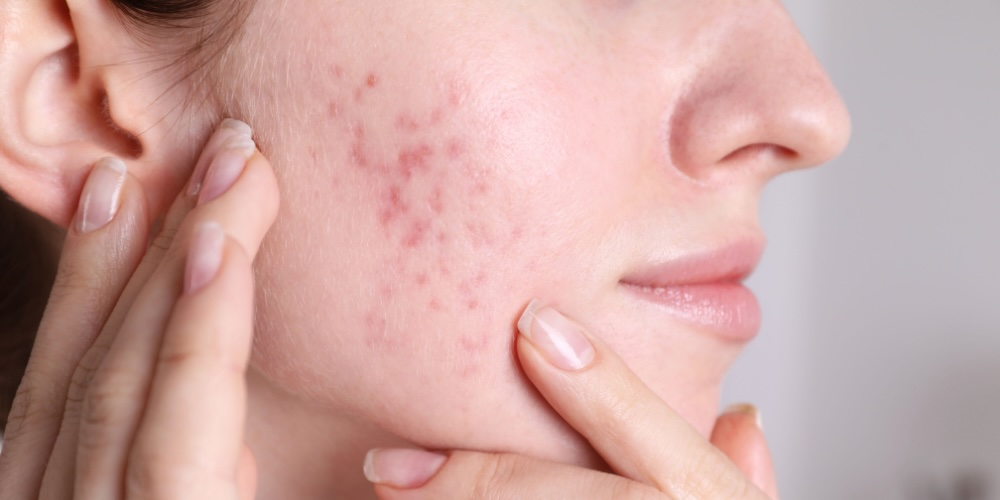
Post inflammatory hyperpigmentation (PIH) refers to dark marks that linger on the skin long after acne, eczema, injury, or irritation has healed. For many people, these marks are more distressing than the original skin condition itself. While a breakout or rash may settle quickly, PIH can remain visible for months or even years without proper management.
Dr Derrick Phillips notes that post inflammatory hyperpigmentation is especially common in people with darker skin tones and is significantly aggravated by sun exposure. Daily sunscreen use is the single most important step in preventing pigmentation from worsening. In clinic, dermatologists may also use treatments such as chemical peels, cosmeceuticals, and carefully selected oral options to improve persistent pigmentation.
This article explores the causes of PIH, its emotional impact, the role of UV exposure, and the treatments that are proven to help eliminate dark spots safely and effectively.
What Is Post Inflammatory Hyperpigmentation?
Post inflammatory hyperpigmentation (PIH) is an acquired darkening of the skin that occurs after an inflammatory event, such as acne, dermatitis,eczema, insect bites, or physical trauma, has resolved. It results from an increase in melanin production and melanin deposition in the upper layers of the skin following inflammation.
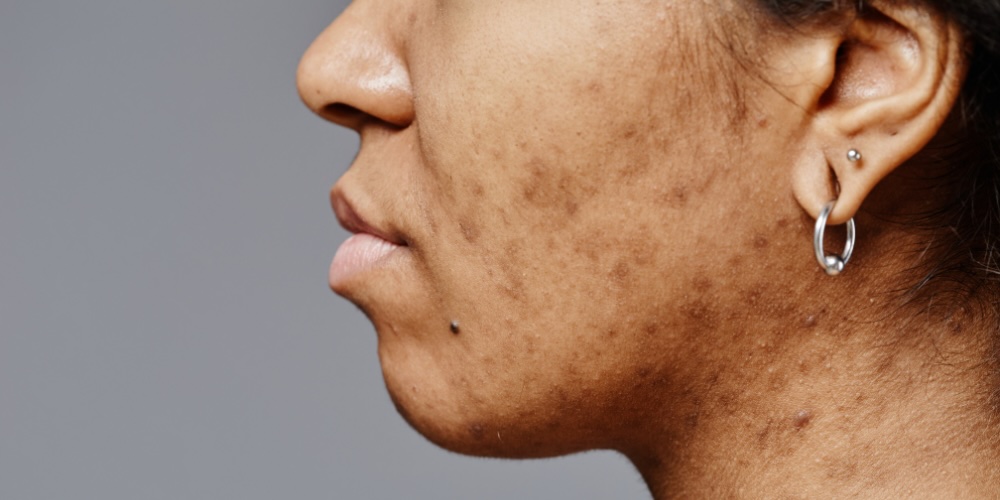
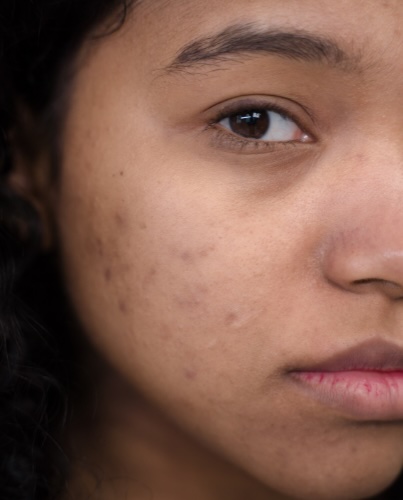
PIH can occur in any skin type, but it is much more common and often more persistent in people with darker skin tones because reactive melanocytes in these skin types are more likely to overproduce pigment in response to inflammation.
This is why Dr Phillips and many dermatologists emphasise that PIH is not simply a cosmetic issue — it is a physiological response to inflammation that stubbornly persists without targeted care.
Dr Derrick Phillips discusses hyperpigmentation more in-depth in this Glamour article.
Why PIH Is More Common in Skin of Colour
People with deeper skin tones have more active melanocytes and a greater capacity to produce melanin. While this provides natural protection against UV damage, it also means that inflammatory triggers — from acne to friction, shaving, or irritation — are more likely to leave visible pigment behind.
Clinical reviews show that PIH occurs with higher frequency and severity in individuals with skin of colour, and that long-term persistence is a well-recognised challenge.
Because of this, early and guided intervention is important, otherwise the marks not only take longer to fade, but can become a source of psychological distress due to their visibility.
The Negative Impact of PIH on Self-Perception
Visible dark marks on the face and body are not merely a cosmetic nuisance. Research shows that PIH and acne-associated pigmentation are associated with lower self-esteem, embarrassment, social withdrawal, and negative emotional impacts, especially in groups who already feel their appearance is judged.
This emotional aspect is something dermatologists increasingly take seriously, as unresolved PIH can affect quality of life long after the initial skin inflammation has healed.
Sun Protection is the Foundation of Hyperpigmentation Treatment
A critical factor that exacerbates and prolongs hyperpigmentation is sunlight, particularly ultraviolet (UV) and visible light. UV exposure stimulates melanocytes — the pigment-producing cells in the skin — to produce more melanin as a protective response. In someone already experiencing hyperpigmentation, this means existing dark marks become deeper and more obvious.
Studies show that regular broad-spectrum sunscreen, worn daily, dramatically reduces the risk of new pigmentation forming and helps older marks fade more effectively over time.
Dr Phillips emphasises that sun protection is the foundation of treatment — without it, even high-powered peels, cosmeceuticals, or oral agents can be less effective or even worsen pigmentation.
Daily use of a broad-spectrum sunscreen, SPF 50 or higher, is recommended.
In practice, this means:
- Applying sunscreen every morning — even on cloudy days
- Re-applying if outdoors for long periods
- Choosing broad-spectrum formulas with physical blockers (like zinc oxide) in darker skin tones
- Wearing hats and sunglasses when outdoors
Clinically Proven Treatments for PIH
Once PIH has developed, there are several treatment options that dermatologists use, either alone or in combination, to help fade dark marks.
1. Chemical Peels
Chemical peels involve applying acids or other exfoliating agents to the skin to remove the upper pigmented layers, prompting cell turnover and revealing fresher, more evenly toned skin beneath.
Superficial peels can be particularly effective for pigmentation after acne and other minor inflammations. However, peels must be chosen carefully and performed by experienced clinicians, especially in darker skin types, because overly aggressive peels can worsen pigmentation rather than improve it.
Common acids used include:
- Glycolic acid
- Lactic acid
- Salicylic acid
- Trichloroacetic acid (TCA) in mild concentrations
Dr Derrick Phillips offers a variety of chemicals peels in his London-based clinics. Book a consultation to get a personalised treatment plan for your post inflammatory hyperpigmentation.
2. Cosmeceuticals and Prescription Topicals
Dermatologists and researchers have also reviewed the role of cosmeceutical ingredients in treating hyperpigmentation, including post-inflammatory marks. Many of these products work by inhibiting tyrosinase, a key enzyme involved in melanin production, helping to reduce pigment formation at the cellular level.
According to a comprehensive review of the “top 10 cosmeceutical products” for facial hyperpigmentation, ingredients with the most evidence include thiamidol, kojic acid, vitamin C, arbutin, retinol, nicotinamide, ferulic acid, resorcinol, licorice root extract, and soy derivatives — all of which target melanogenesis and are considered safer, non-prescription alternatives or complements to traditional therapies.
These agents can be used alone in skincare regimens or in combination with other treatments such as chemical peels and sunscreens to address stubborn dark marks
3. Oral Treatments
In selected cases, dermatologists may add oral treatments that work systemically to reduce pigment formation or inflammation. The most common oral treatment is Tranexamic acid, which is clinically proven to improve PIH without many adverse effects. It’s also a common treatment for melasma.
Combination Approaches Work Best
Many dermatologists find that stacked treatment plans, where a combination of sunscreens, topical agents, and mild chemical peels used together produce the best results for PIH.
This strategy helps:
- Reduce the risk of pigmentation worsening
- Improve outcomes faster
- Support long-term maintenance
Because PIH arises from inflammatory pigment overproduction, addressing both the cause (inflammation + UV exposure) and effect (pigment deposition) leads to the best cosmetic and psychological outcomes.