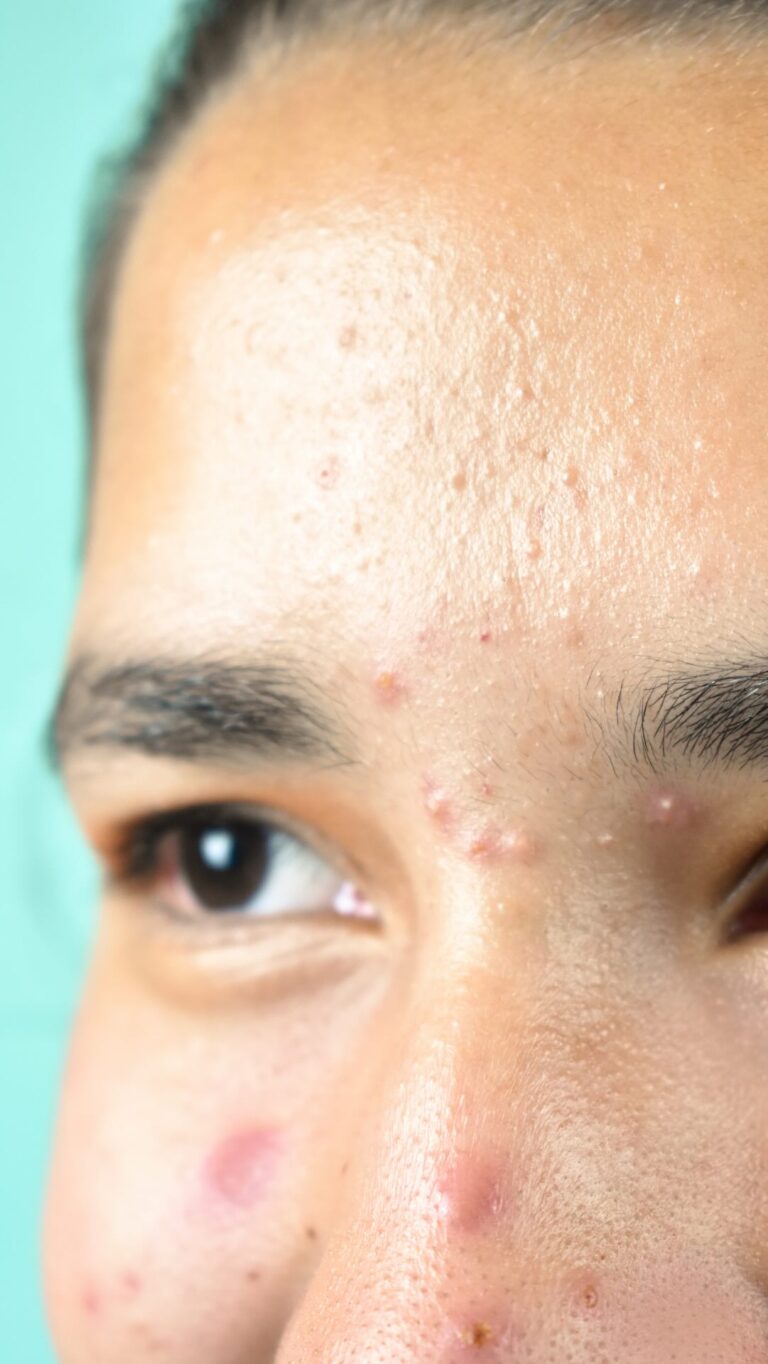
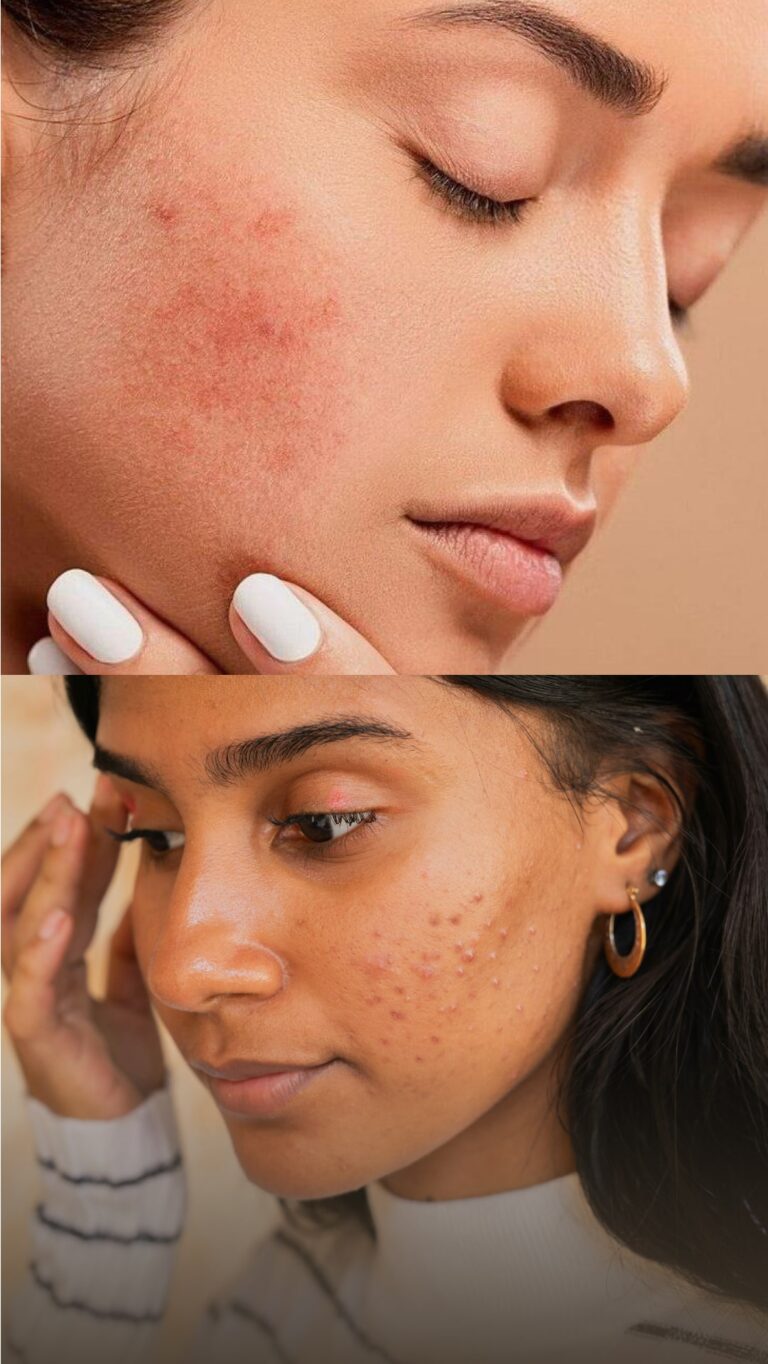
Acne is one of the most common skin conditions people face, affecting teens and adults alike. While there are many products on the market, not all ingredients are created equal for acne prone skin. Dermatologists consistently recommend a core set of active ingredients that address the root causes of acne, from clogged pores and bacteria to excess oil and inflammation.
Below are the top 5 ingredients that Dr Derrick Phillips, an acne dermatologist in London, recommends most when treating blemish prone skin, including what each does and why it matters.
1. Salicylic Acid – The Deep Pore Exfoliant
Salicylic acid is a beta-hydroxy acid (BHA) that helps unclog pores by dissolving the buildup of dead skin cells and oil that contribute to breakouts. Because it is oil-soluble, it can penetrate into clogged follicles more effectively than other exfoliants, helping prevent both whiteheads and blackheads.
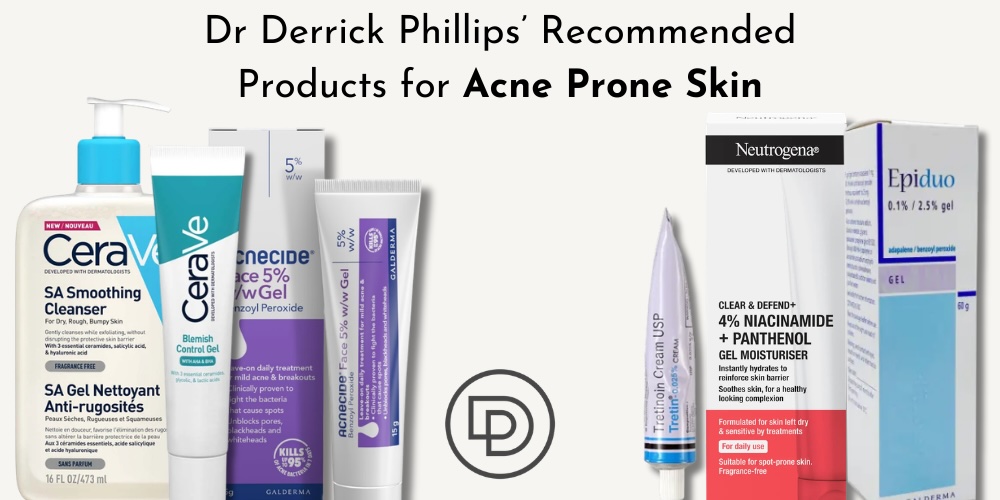
Commonly found in cleansers and acne-targeted treatments, salicylic acid is a useful ingredient to introduce early in a routine. Dr Derrick Phillips often recommends starting with a salicylic acid–based cleanser, such as a CeraVe Blemish Control Cleanser or the Cetaphil SA Cleanser, to help keep pores clear while maintaining the skin barrier.
2. Niacinamide – The Inflammation & Oil Regulator
Niacinamide (vitamin B3) is a multitasking ingredient known for its anti-inflammatory properties and ability to regulate sebum (oil) production. Unlike some harsher actives, niacinamide is well tolerated by most skin types and also helps support the skin’s barrier, reducing irritation and redness often associated with acne treatments.Dr Derrick Phillips recommends The Ordinary Niacinamide 10% & Zinc 1% Oil Control Serum and Cerave Blemish Control Gel.
3. Benzoyl Peroxide – The Bacteria Fighter
Benzoyl peroxide is one of the most widely recommended acne-fighting ingredients. It works by reducing acne-causing bacteria on the skin while also helping to clear out excess oil and dead skin that can block pores. Its antibacterial action makes it particularly useful for inflammatory acne (cysts and pustules).
It can be used in combination with retinoids or antibiotics.
Acnecide is a great over-the-counter option.
4. Antibiotics (Topical or Oral) – Targeted Bacterial Control
Prescription antibiotics — either topical (creams, gels) or oral — are often used for moderate to severe acne. They help reduce Cutibacterium acnes (formerly P. acnes), the bacteria that fuels inflammation in acne. Dermatologists may prescribe them alone or in combination with other actives like benzoyl peroxide to lower the risk of antibiotic resistance.
5. Prescription Retinoids – The Cellular Turnover Accelerator
Prescription retinoids (such as Tretinoin or Adapalene) are among the most effective acne treatments available. These vitamin A derivatives speed up cell turnover, preventing dead skin cells from clogging pores and helping new acne lesions clear faster. Retinoids also have anti-inflammatory properties, can improve skin texture and help with post inflammatory hyperpigmentation.
Dr Derrick Phillips explains the process of getting Tretinoin in this Marie Claire article.
How to Use These Ingredients Safely
Acne treatments can be effective, but they need to be introduced thoughtfully:
- Introduce slowly: Start with one active ingredient at a time to assess tolerance and minimise irritation.
- Use gentle base products: A mild cleanser and a non-comedogenic moisturiser help support the skin barrier.
- Avoid over-exfoliating: Using multiple exfoliating acids simultaneously can increase irritation without improving results.
- Apply sunscreen: Many acne treatments increase sun sensitivity, so daily broad-spectrum SPF is essential.
Learn more about a simplified skincare routine for acne here.
A simple blemish routine could look like this:
Morning (AM)
- Salicylic acid cleanser
- Niacinamide serum
- Spot treat with Benzoyl Peroxide
- Lightweight, non-comedogenic moisturizer
- Broad-spectrum SPF 30+ sunscreen
Evening (PM)
- Gentle cleanser (non-stripping)
- Prescription retinoid (as directed, start slowly)
- Lightweight, non-comedogenic moisturizer with Niaminicide
A consultant dermatologist can tailor a skincare routine to your specific acne concerns.
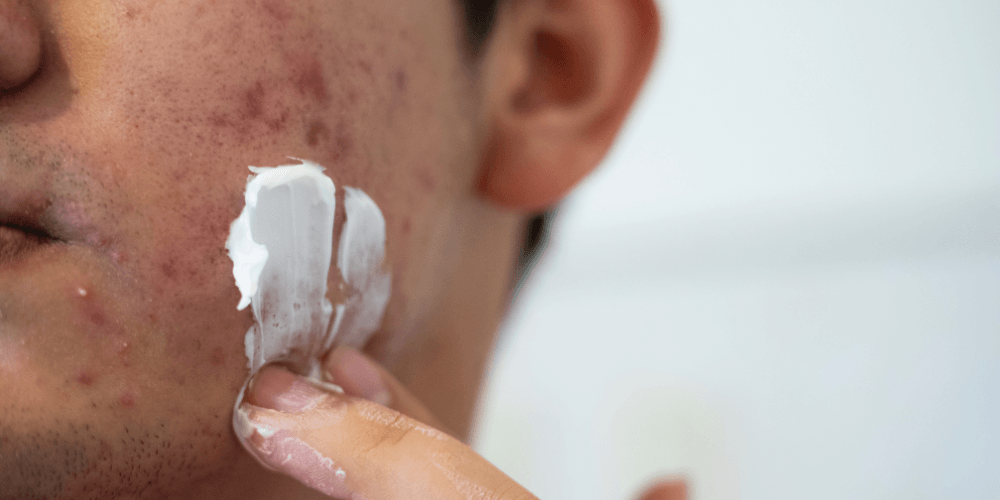
Why One Ingredient Isn’t Enough to Treat Acne Prone Skin
A common reason people feel frustrated with their skincare is that they rely on just one “hero” product and expect it to solve everything. In reality, acne is a complex condition with multiple contributing factors, which is why dermatologists often recommend combining treatments.
Acne develops due to a combination of:
- Excess oil (sebum) production
- Clogged pores from dead skin cells
- Overgrowth of bacteria
- Inflammation that causes redness and swelling
Each ingredient targets a different part of this process. For example, salicylic acid helps unclog pores, benzoyl peroxide reduces acne-causing bacteria, retinoids prevent new blockages, and niacinamide helps calm inflammation and regulate oil. Using only one ingredient may address one cause while leaving others untreated, which can explain why some people feel like their acne isn’t improving.
This is why dermatology-based treatment plans are often layered and tailored — not one-size-fits-all.
How Long Do Acne Ingredients Take to Work?
Another reason people think treatments “don’t work” is that acne therapy takes time. Skin cells turn over slowly, and inflammation doesn’t settle overnight. Stopping too soon can prevent you from seeing real results.
Here’s a general timeline:
- Salicylic acid: May start improving clogged pores and blackheads within a few weeks of consistent use.
- Benzoyl peroxide: Often shows improvement in inflammatory breakouts within 2–4 weeks.
- Prescription retinoids: These work deeper in the skin and can take 6–12 weeks to show noticeable improvement. Early dryness or irritation is common and usually settles as skin adjusts.
- Antibiotics (topical or oral): Help reduce inflammation and bacteria more quickly but are typically used short-term. They control acne while longer-term treatments, like retinoids, take effect.
Patience and consistency are key. Acne management is a gradual process, and adjusting too frequently can actually slow progress.