Teenage acne is one of the most common skin concerns worldwide, affecting up to 85% of adolescents as they move through puberty. Hormonal shifts trigger increased oil production, clogged pores, blackheads, whiteheads, and inflamed breakouts — often right at a time when confidence and self-image matter most.
The good news is that teenage acne is highly treatable with the right approach and skin care routine. As an acne expert, consultant dermatologist Dr. Derrick Phillips emphasizes that teenage skin care should be simple, evidence-based, and tailored to the unique needs of developing skin. The most effective routines rely on a few clinically proven ingredients that address oil, bacteria, and clogged pores without overwhelming the skin.
Whether you’re looking for the best skincare products for teenage acne or trying to support a teenager at home with an effective skin care routine, this guide outlines a dermatologist-approved approach using products that are gentle, effective, and affordable.
The Most Common Types of Teenage Acne
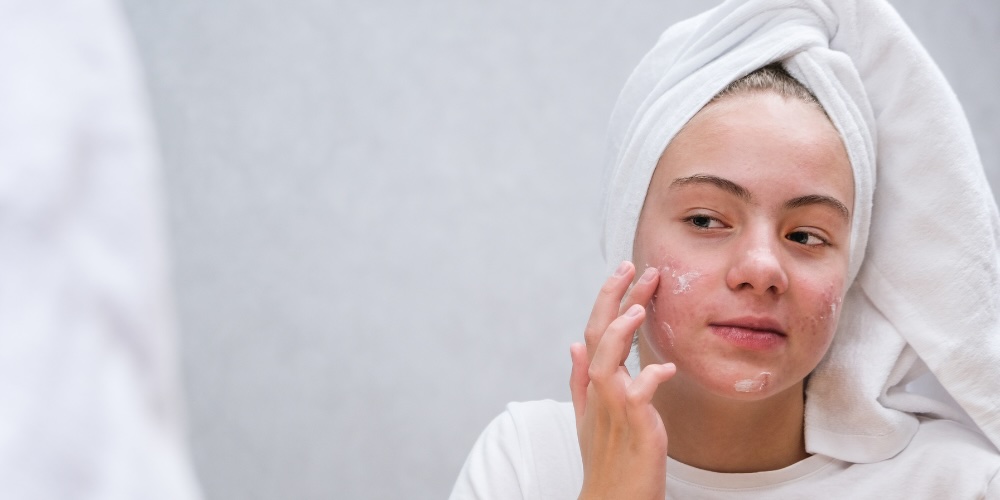
Teenagers typically experience a mix of different acne types, and understanding these can help tailor the right skin care routine.
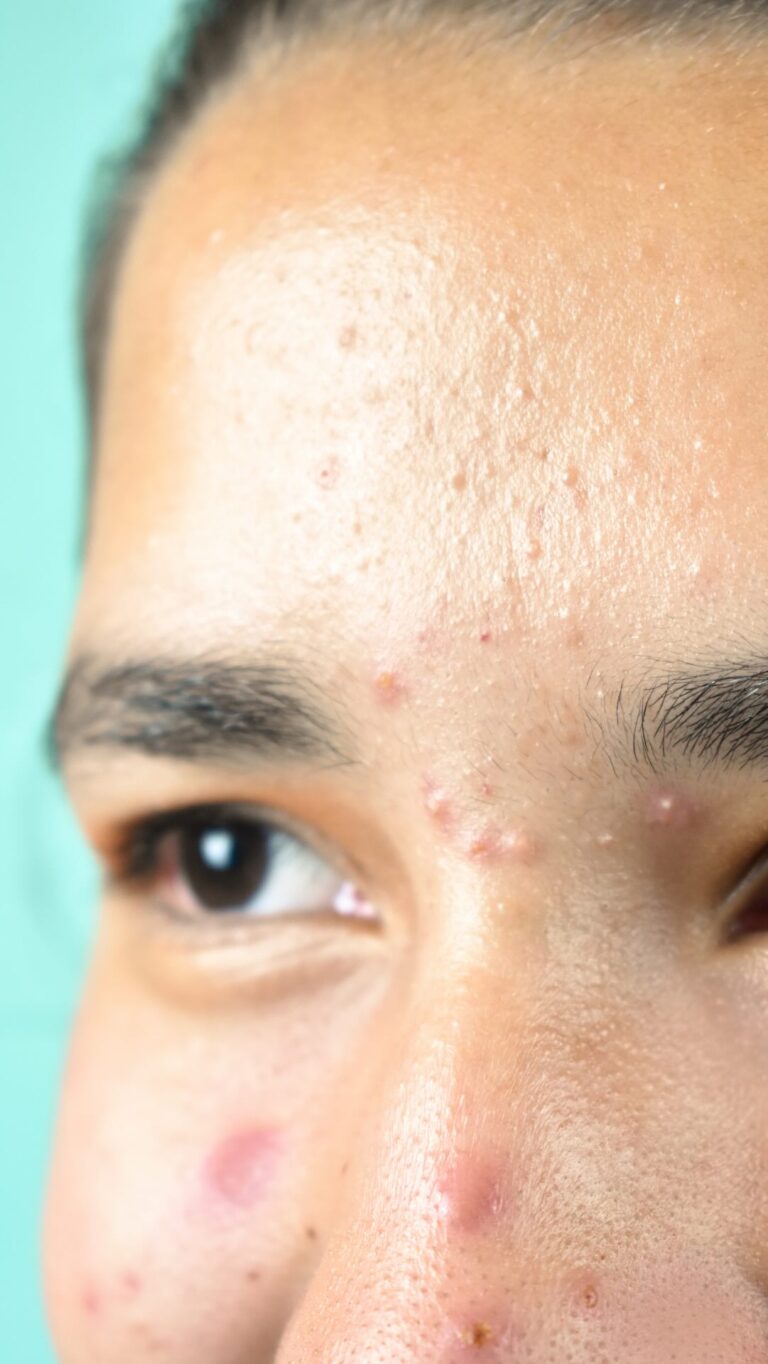
- Comedonal acne: Includes blackheads and whiteheads, often found across the forehead and T-zone where oil and sweat build up. This is the most common type in younger teens.
- Inflammatory acne: Red, painful bumps or pustules caused by bacteria and clogged pores. This type often signals the need for benzoyl peroxide.
- Hormonal acne: Deeper, cystic breakouts along the cheeks, chin, and jawline triggered by hormonal fluctuations during puberty.
Identifying the specific acne type is the first step toward choosing ingredients that work, avoiding unnecessary irritation, and creating a dermatologist-approved treatment plan.
If you’re having trouble identifying the type of acne you have, or you’re experiencing several types, consulting a dermatologist can help you create a customized routine for your exact acne type.
The Dermatologist-Approved Teenage Skin Care Routine for Acne
1. Start With a Salicylic Acid Cleanser
Salicylic acid, a beta hydroxy acid, is one of the most effective first steps in a teenage acne routine, because it penetrates into the pores and dissolves excess oil and dead skin cells.
This makes it particularly helpful for comedonal acne, commonly found on the forehead, which many teens experience due to oil, sweat and hair product build-up across the T-zone.
How to use:
- Begin once daily and increase to twice daily if skin tolerates it
- Use a gentle formula — avoid scrubs or physical exfoliants
- Massage gently, rinse and pat dry
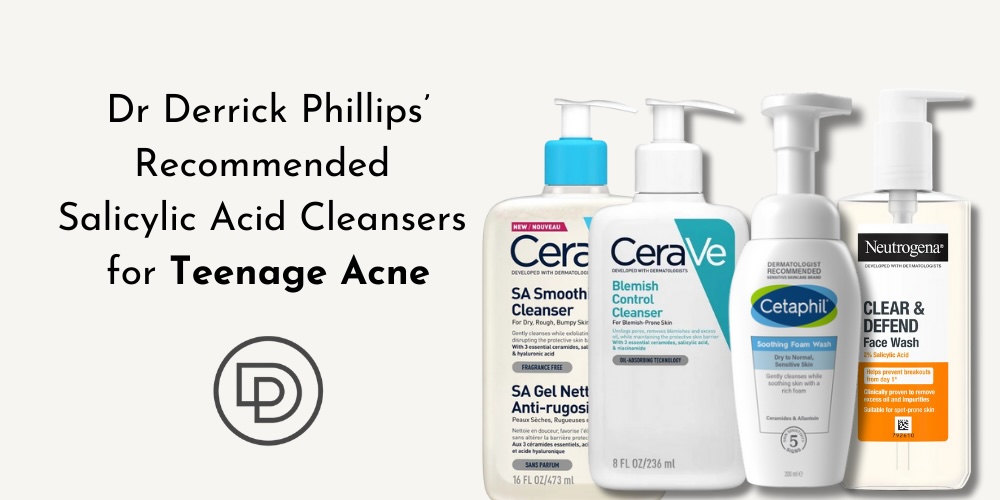
Dr. Derrick Phillips’ Recommended Salicylic Acid Cleansers for Acne Prone Skin:
- Cerve Blemish Control or Soothing SA Cleanser
- Cetaphil Soothing Foam Wash
- Neutrogena Clear and Defend 2% Salicylic Acid Wash
2. Apply a 5% Benzoyl Peroxide Gel
When there are inflamed spots or persistent breakouts, benzoyl peroxide (such as a 5% gel) is one of the most reliable treatments. It works by reducing acne-causing bacteria and preventing resistance. For many young people, it becomes a key part of an effective acne routine.
How to use:
- Apply a thin layer once a day (ideally evening)
- If well tolerated, increase to twice daily
- Be aware: benzoyl peroxide can bleach fabrics and pillowcases
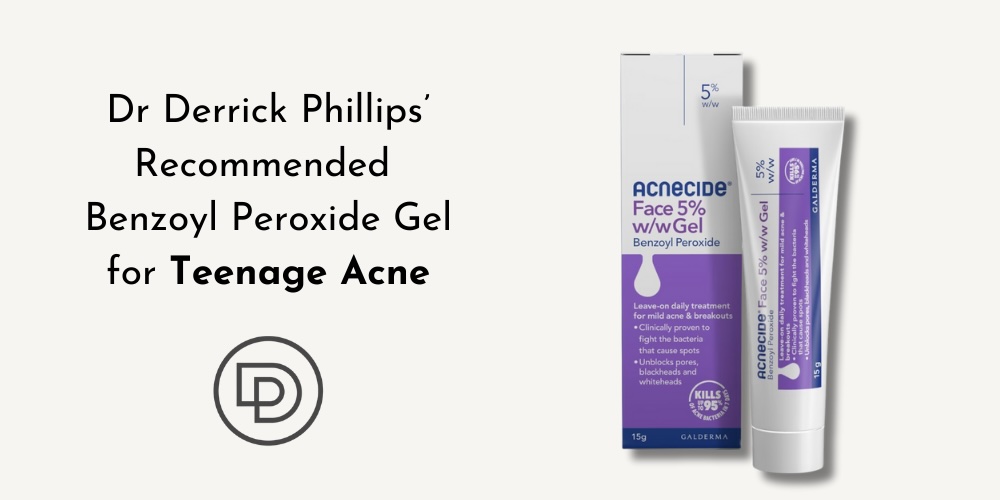
Dr. Derrick Phillips’ Recommended Benzoyl Peroxide Gel:
3. Use a Moisturiser with Niacinamide
Even acne-prone teenage skin needs hydration. A lightweight, non-comedogenic moisturiser containing niacinamide helps:
- Strengthen the skin barrier
- Reduce redness and inflammation
- Improve oil control
Skipping moisturiser often backfires when treating acne. Well-hydrated skin tolerates treatment better and recovers faster.
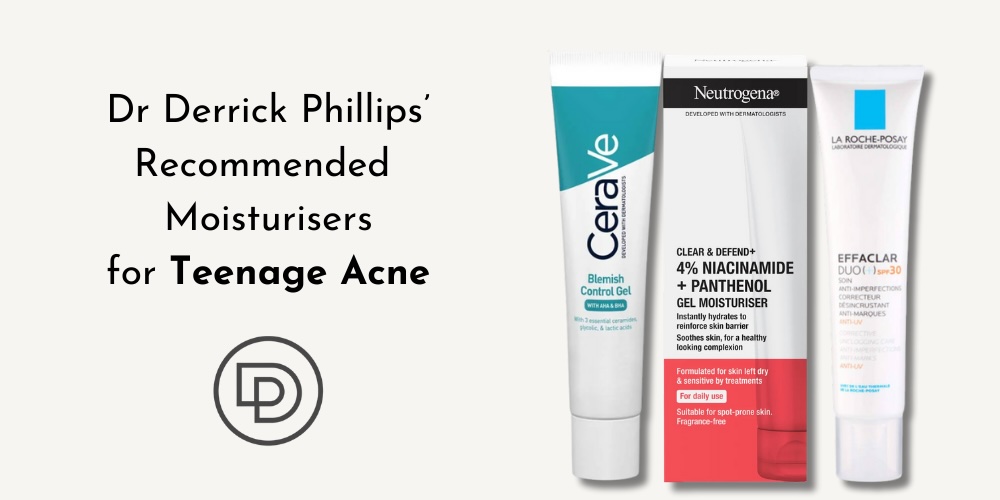
Dr. Derick Phillips’ Dermatologist Recommended Niacinamide Moisturisers:
- CeraVe Blemish Control Gel
- Laroche-Posay Effaclar Duo
- Neutrogena Clear and Defend 4% Niacinamide Moisturiser
4. Introduce Prescription Retinoids (If Needed)
If these over-the-counter steps don’t deliver visible improvement after 8-12 weeks, consider seeing a consultant dermatologist to discuss prescription retinoids, such as adapalene or tretinoin to manage more moderate to severe acne cases. These are indicated in more persistent or moderate acne cases.
Retinoids can help teenage acne by:
- Unclogging pores
- Preventing new breakouts
- Reducing early spots of pigmentation or texture
Dr. Derrick Phillips shares his advice on starting retinoids for beginners in this Harper’s Bazaar article.
Beyond the Skincare: Lifestyle Habits That Support Clearer Teenage Skin
While a skincare routine is essential, everyday habits can significantly influence breakouts — especially for active, high-energy teens. Simple changes to reduce breakouts include:
- Cleansing the face after sports, PE, or sweating
- Changing pillowcases regularly
- Avoiding hair gels, waxes, and oils near the forehead
- Keeping phone screens clean
- Not picking or squeezing spots (use a blemish patch instead!)
- Keeping sweaty headbands, helmets, and hats clean
- Removing makeup thoroughly before bed
These small shifts help prevent pore blockages and reduce irritation, supporting the effectiveness of acne treatments and your skincare routine.
Diet & Acne: What We Know From Research
Overall, diet can play a supporting role in acne, but it’s rarely the sole cause. Rather than following strict or restrictive plans, teens benefit most from a balanced approach and consistent skin care guided by evidence-based treatments.
Evidence suggests:
- High-glycaemic foods (like white bread, sweets, sugary drinks, and processed snacks) may worsen acne by spiking insulin levels.
- Some dairy products, particularly skim milk, may trigger breakouts in a subset of teens.
- A balanced, whole-foods-based diet rich in fruits, vegetables, lean protein, and whole grains supports overall skin health.
The most reliable acne improvements come from combining healthy habits with targeted, dermatologist-recommended treatments.
When to See a Dermatologist about Teenage Acne Treatment
If you’ve followed this simple skin care routine consistently for 8 to 12 weeks and there is little to no improvement — or if acne is causing scars, dark marks, or affecting self-esteem — schedule an appointment with a consultant dermatologist for more advanced treatment, like prescription retinols. Early intervention is key for preventing long-term consequences and supporting mental wellbeing during the teenage years.
A consultant dermatologist will assess the severity of your acne, consider your skin type and youth status, and may prescribe treatments such as:
- Prescription retinoids
- Topical antibiotic combinations
- Oral antibiotics
- Hormonal treatments (in females)
- Oral isotretinoin in severe cases
- Aviclear laser
The Bottom Line: Simplicity + Consistency = Better Results for Teenage Acne Treatment
Teenage acne is treatable with the right steps, guidance and simple skin care routine.
Dr. Derrick Phillips recommends this easy to follow skincare routine:
- A salicylic acid cleanser for pore decongestion
- A 5% benzoyl peroxide gel for bacterial control
- A niacinamide moisturiser to support the barrier
- Retinoids, under supervision if needed
With consistent use, correct product choices, and professional oversight, clearer and healthier skin can absolutely be achieved — setting a strong foundation for teenage skin health into adulthood.