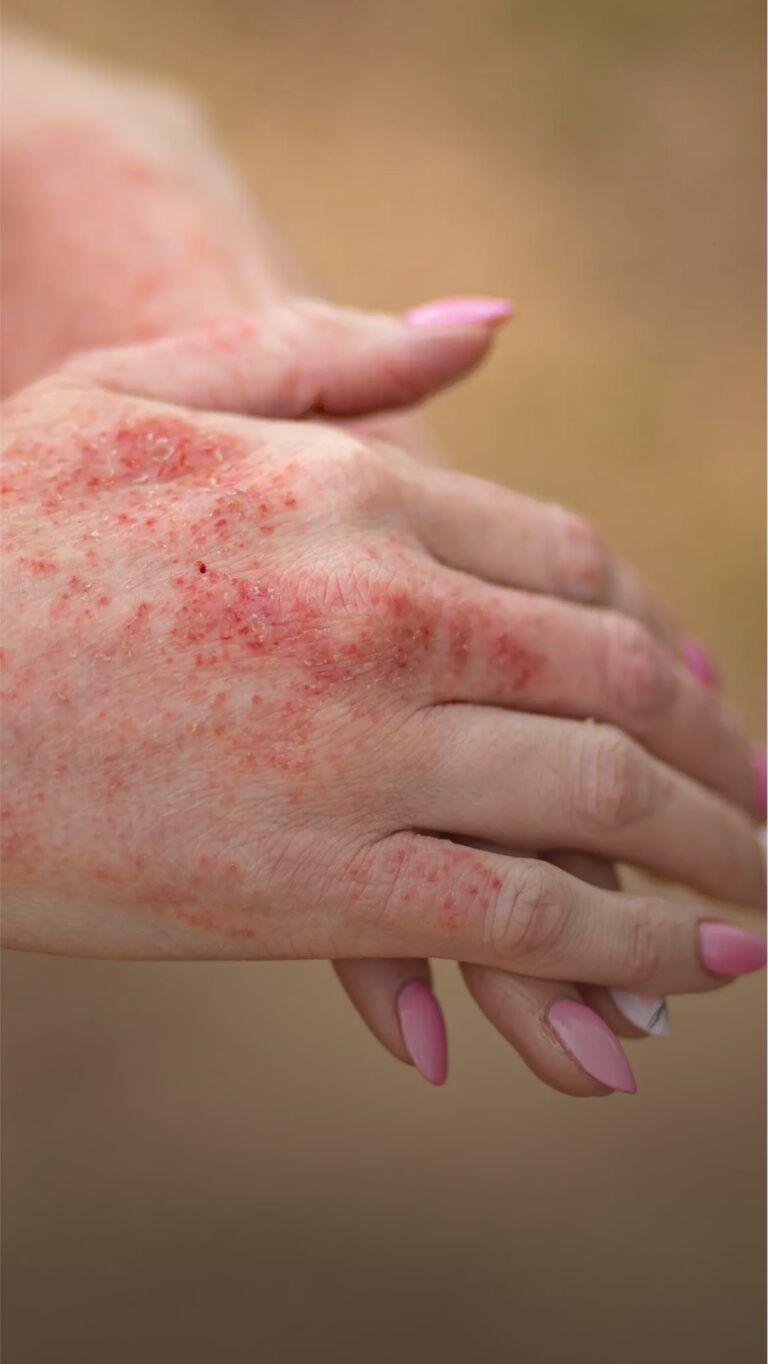
Perioral dermatitis is an increasingly common skin condition that often appears as a rash of small red bumps around the mouth, nose, and sometimes the eyes. It is frequently mistaken for acne, rosacea, eczema, or contact dermatitis, but it has distinct features and specific triggers.
According to consultant dermatologist, Dr Derrick Phillips, awareness of what causes perioral dermatitis and how to manage it effectively is essential for long-term improvement.
This video and article explains what perioral dermatitis is, what may be causing an increase in cases in clinic, known triggers, and proven treatment approaches, from topical therapy to lifestyle and skincare adjustments.
What Is Perioral Dermatitis?
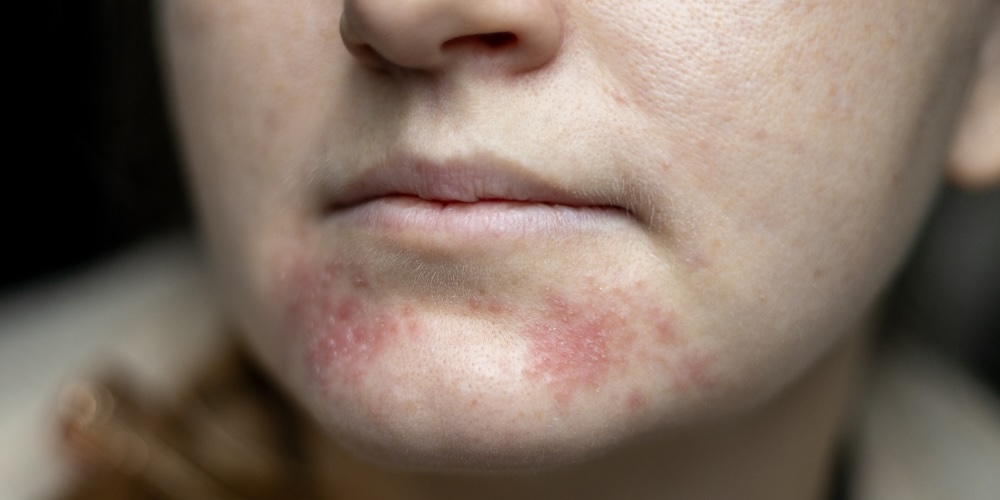
Perioral dermatitis is a type of inflammatory rash that typically manifests as clusters of small red bumps or pustules around the mouth, often extending to the area beneath the nose and sometimes around the eyes. Unlike acne, the blemishes are similar in size and do not include deep cysts. Unlike rosacea, they are usually tightly localized around the mouth and nose.
The condition can appear superficial, but it reflects dysregulation of the skin’s barrier and immune response, allowing certain irritants and microbes to trigger inflammation. Though the exact cause is not fully understood, dermatologists recognise that a combination of external triggers and intrinsic susceptibilities plays a key role.
Why Cases Are Increasing in Clinic
At our London dermatology clinics, Dr Derrick Phillips has noted a rise in the number of perioral dermatitis cases seen in practice. While no single cause explains every case, several factors appear to be contributing:
- Exposure to corticosteroids — perioral dermatitis can be triggered by nasal, inhaled, oral or topical corticosteroids, sometimes used inadvertently. These medications are thought to disrupt the local microbial environment around hair follicles, contributing to inflammation in the perioral area.
- Complex or heavy skincare routines — layering multiple active products, rich creams, or occlusive cosmetics can disrupt the skin barrier and trap irritants near the perioral area.
- Skin barrier disruption — compromised barrier function leaves the skin more prone to irritation from basic products and environmental stressors.
- Environmental factors — heat, wind, and UV exposure can exacerbate sensitive skin.
- Lifestyle factors — frequent mask use, hormonal fluctuations and stress have all been linked with flare-ups. Certain toothpaste formulations, particularly those containing fluoride, may also trigger perioral dermatitis in some individuals, and dental amalgam fillings have been suggested as a possible contributing factor in susceptible patients.
These triggers often combine, creating a “perfect storm” that makes the rash more common and persistent.
Common Symptoms to Recognise
Perioral dermatitis typically presents as:
- Small, red bumps or pustules around the mouth and nose and eyes
- A background of redness or slight swelling
- Occasional itching, burning, or irritation
- Dry, flaky skin in affected areas
- The rash often spares the vermillion border (the lip line), which helps distinguish it from other conditions like eczema or irritant contact dermatitis.
Triggers That Worsen Perioral Dermatitis
Several everyday skincare and lifestyle factors can aggravate perioral dermatitis:
- Topical corticosteroids on the face — even when used briefly
- Thick moisturisers, heavy foundations, and occlusive cosmetics that suffocate the skin
- Harsh active ingredients layered with other potent products
- Facial masks and humid micro-environments around the mouth and nose
- Wind, cold, dry heat, and environmental stressors
Perioral dermatitis can sometimes be mistaken for eczema or other inflammatory skin conditions. An incorrect diagnosis can lead to inappropriate treatments — particularly topical steroids — which may worsen the condition. For this reason, professional assessment is important to ensure the correct diagnosis and management.
Dermatologist-Recommended Treatment Approaches
Effective management of perioral dermatitis starts with identifying and removing triggers, followed by appropriate therapy.
1. Stop Topical Steroids on the Face
Topical corticosteroids can improve redness in the short term but worsen perioral dermatitis long term. Gradual withdrawal under guidance can prevent rebound flare-ups.
2. Simplify Your Skincare Routine
Over-layering skincare often disrupts the skin barrier. A pared-back routine using gentle, non-fragranced products helps reduce irritation. Avoid heavy occlusives, dense creams, and thick makeup that can trap irritants.
Dr Derrick Phillips shares his expertise on gentler skincare in this Popsugar article.
3. Use Gentle, Barrier-Supporting Products
Switch to mild cleansers and moisturisers that support the skin barrier without contributing to irritation. Fragrance-free, minimal formulations are preferable.
4. Topical Anti-Inflammatory Treatments
Dermatologists often prescribe:
- Pimecrolimus or tacrolimus (calcineurin inhibitors)
These help reduce inflammation and control flare-ups without the risks associated with steroid creams.
5. Antibiotics for Moderate Cases
For more persistent or widespread perioral dermatitis, oral antibiotics such as tetracyclines may be used for 6-12 weeks to reduce inflammation and microbial components. These must be prescribed and monitored by a dermatologist.
6. Be Patient — It Takes Time
Perioral dermatitis often improves over weeks to months. Even after triggers are removed and treatment begins, residual redness or bumps may take time to fade.
Differentiating Perioral Dermatitis from Other Conditions
Perioral dermatitis can resemble:
- Acne vulgaris
- Rosacea
- Seborrhoeic dermatitis
- Irritant contact dermatitis
A dermatologist can often distinguish these based on distribution, appearance, history, and response to treatment.
Seeking Professional Treatment for Perioral Dermatitis
Perioral dermatitis can be frustrating, particularly when it is mistaken for acne or treated with products that unintentionally make it worse. The condition often reflects a disrupted skin barrier and inflammatory response rather than simple congestion, which is why aggressive skincare or topical steroids frequently prolong the problem.
The good news is that with the right diagnosis, trigger identification, and targeted treatment plan, perioral dermatitis can be effectively controlled.
A consultant dermatologist’s assessment is recommended if:
- The rash persists despite gentle routines
- Over-the-counter products aggravate the condition
- There is burning,tightness and discomfort with a negative impact on quality of life
Professional evaluation ensures accurate diagnosis and the right combination of therapies to minimise flare-ups and support long-term skin health.