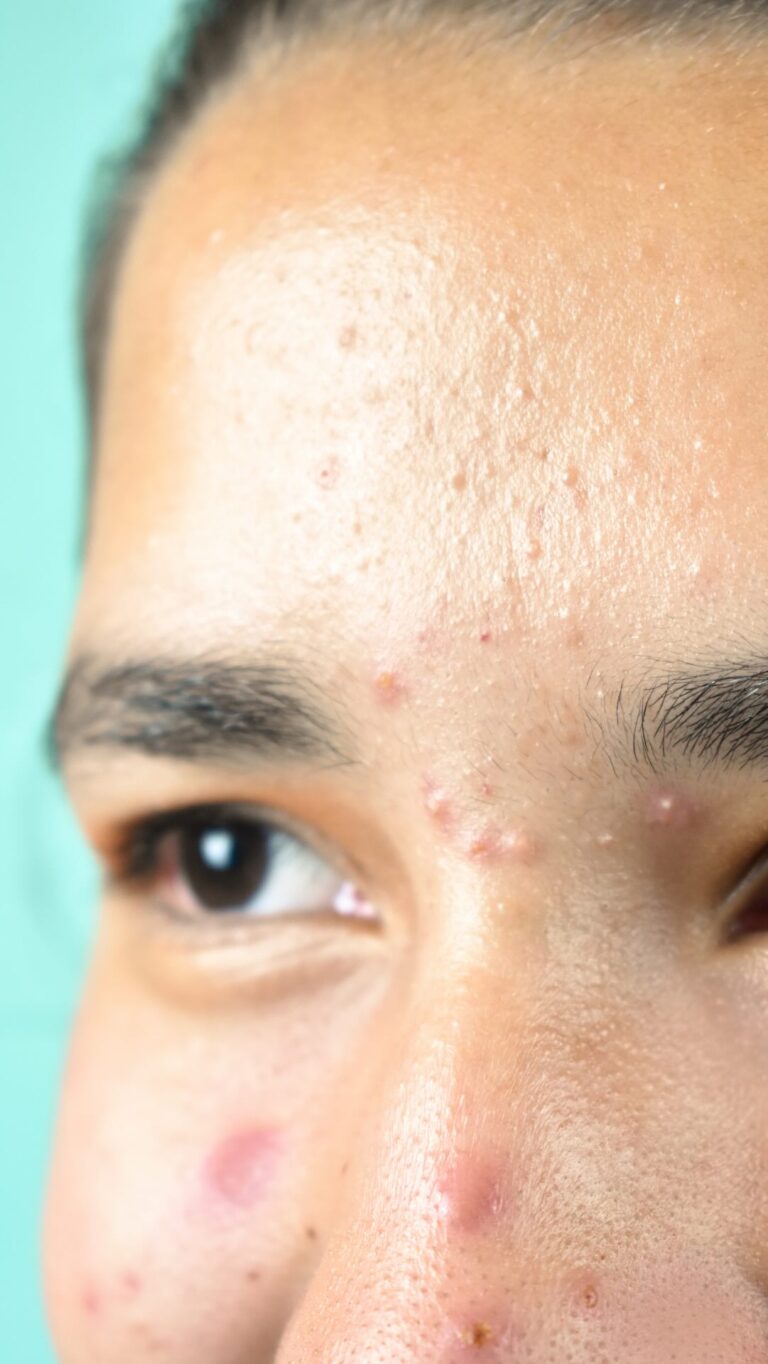
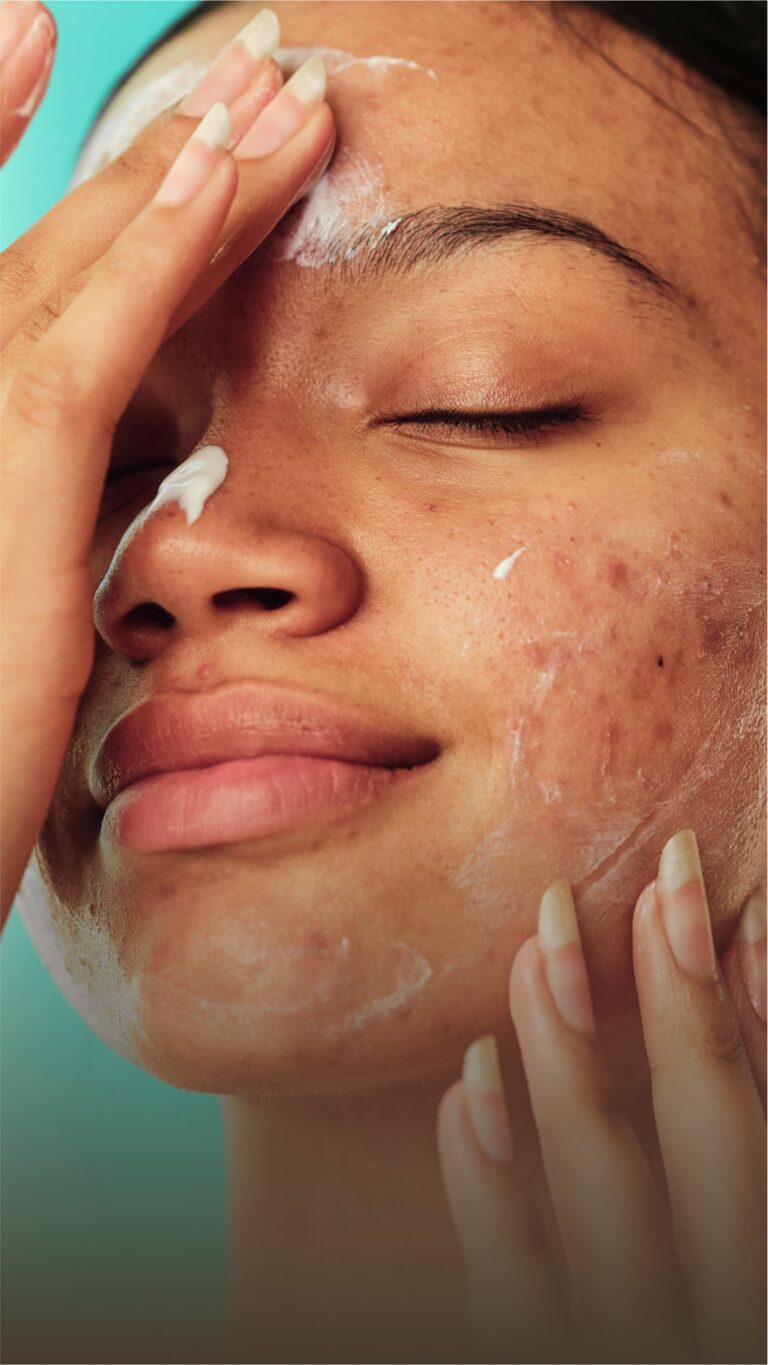
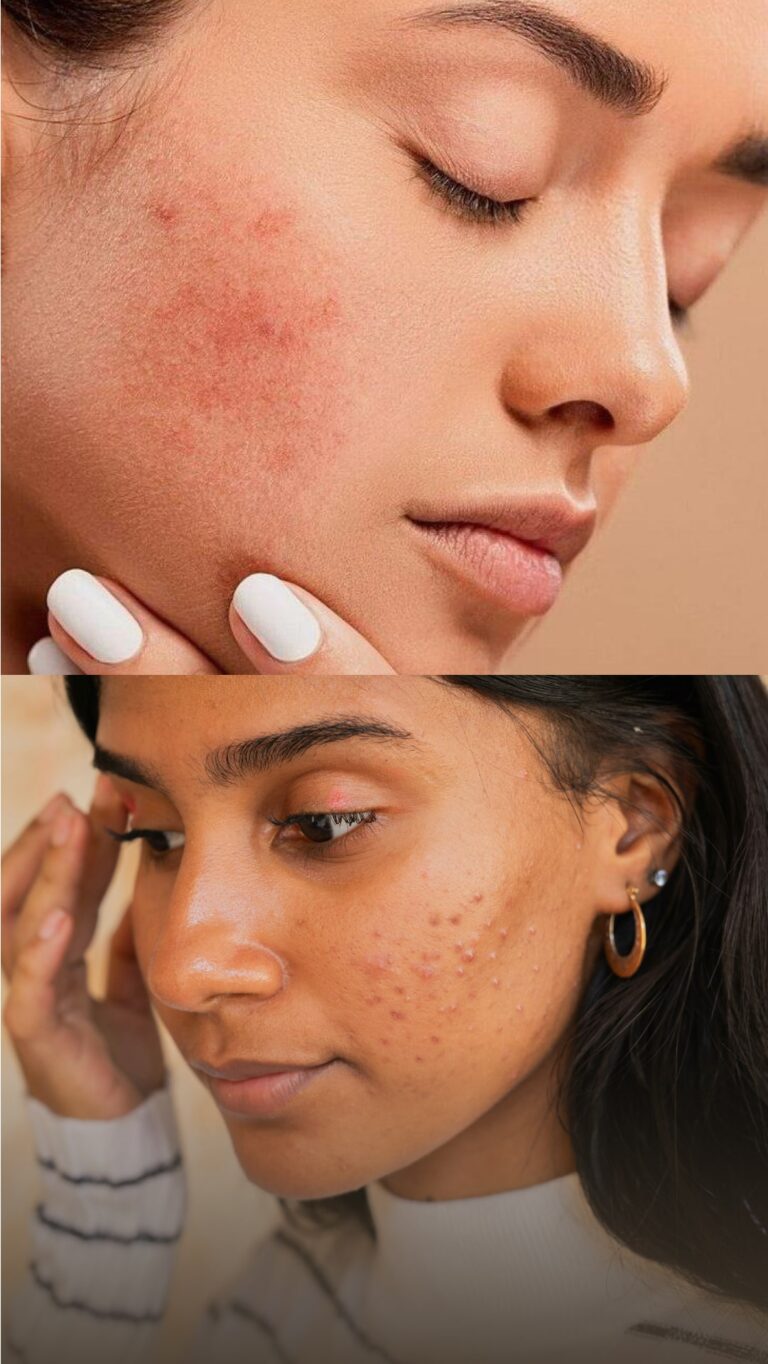
Hormonal acne (also known as adult female acne) is one of the most persistent and frustrating forms of acne. It is caused by internal hormonal signals that stimulate oil production deep within the skin.
As Dr Derrick Phillips explains, one of the most effective treatments for women is spironolactone for hormonal acne. This medication works by reducing the effect of androgen hormones on the sebaceous glands, helping to decrease excess oil production, prevent pore congestion, and reduce the frequency and severity of acne breakouts.
Although spironolactone is often discussed as an “acne medication,” it has in fact been used safely in medicine for decades. Its role in dermatology is well established, particularly for women whose acne persists despite topical treatments, antibiotics, or lifestyle changes.
This article explores how spironolactone works, who it helps most, what results to expect, and the clinical evidence, including the landmark SAFA study, that supports its use.
What Is Spironolactone?
Spironolactone is an oral medication classified as a potassium-sparing diuretic. It was originally developed to treat conditions such as high blood pressure, heart failure, and fluid retention.
However, spironolactone also has a powerful secondary effect: it blocks androgen hormones. Androgens, including testosterone, play a major role in stimulating the sebaceous (oil) glands in the skin. When these hormones are overactive or when the skin is particularly sensitive to them, excess oil production occurs, setting the stage for acne.
In dermatology, spironolactone is prescribed off-label to treat hormonal acne in women by targeting this hormonal pathway directly.
How Spironolactone Works for Hormonal Acne
Hormonal acne is driven by androgen hormones that stimulate the sebaceous glands to produce excess sebum. This oil mixes with dead skin cells and bacteria, leading to clogged pores, inflammation, and breakouts.
Spironolactone works by:
- Blocking androgen receptors in the skin
- Reducing the effect of testosterone and related hormones on sebaceous glands
- Decreasing oil production over time
- Helping pores stay clearer
Rather than treating acne on the surface, spironolactone addresses one of the root causes of hormonal acne — excess oil driven by hormonal signalling.
This is why it is particularly effective for women with:
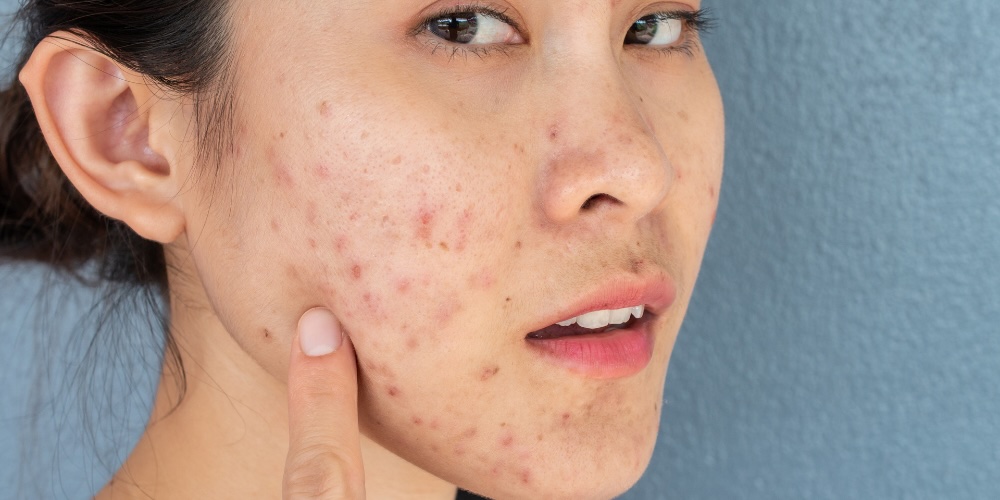
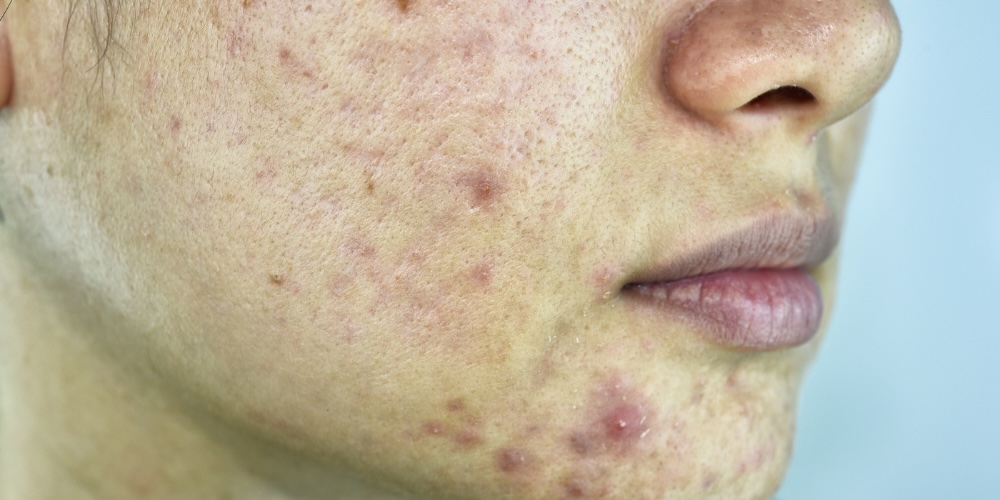
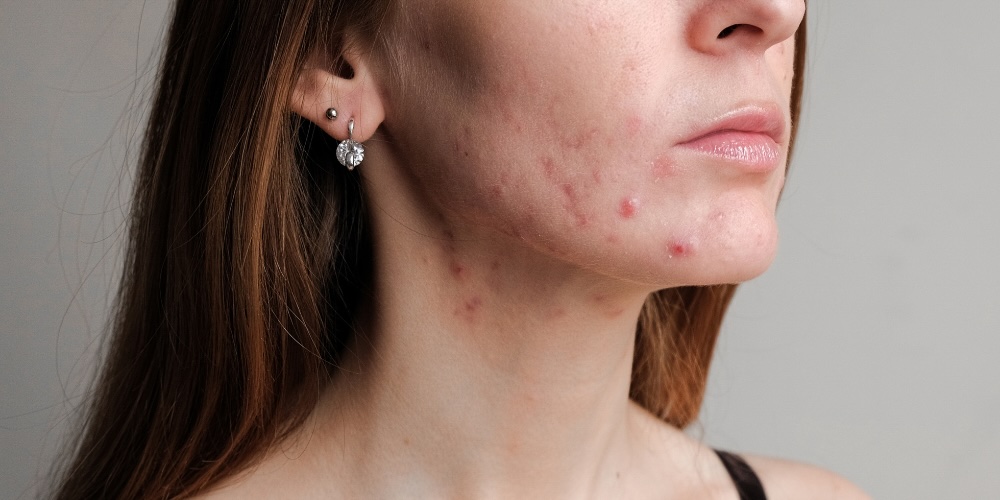
- Jawline, chin, and lower-face acne
- Cyclical flares linked to menstrual cycles
- Adult-onset acne
- Acne that persists despite topical treatments
The SAFA Study: Key Evidence Supporting Spironolactone
One of the most important pieces of evidence supporting spironolactone for acne in women is the SAFA study (Spironolactone for Adult Female Acne) — a randomised controlled UK clinical trial.
As highlighted by Dr Derrick Phillips, the SAFA study provided strong, high-quality evidence that spironolactone is both effective and well tolerated for the treatment of acne in adult women.
The SAFA study compared spironolactone with placebo in women with persistent acne and found that:
- Women taking spironolactone experienced significantly greater improvement in acne severity
- Improvements increased over time, with better outcomes seen at 24 weeks
- Participants reported improved quality of life and confidence
- Side effects were generally mild and manageable
Importantly, the SAFA study reinforced what dermatologists have observed in real-world clinical practice for decades: that reducing androgen-driven oil production leads to meaningful and sustained improvement in hormonal acne.
This study has helped solidify spironolactone as a mainstay treatment for adult female acne, particularly when hormonal factors are suspected.
Who Is Spironolactone Most Suitable For?
Spironolactone is most commonly prescribed for women with hormonal acne, particularly when acne:
- Persists into adulthood
- Flares cyclically around periods
- Is concentrated along the jawline, chin, or neck
- Does not respond well to topical treatments alone
- Returns after stopping antibiotics
Many women who do not wish to take long-term antibiotics or isotretinoin may find spironolactone to be an effective and sustainable option.
Spironolactone is not typically prescribed for men due to its hormonal effects and potential side effects.
How Long Does Spironolactone Take to Work?
Spironolactone is not a quick fix. Because it works by gradually altering hormonal signalling and reducing oil production, results take time.
Most patients notice:
- Early improvement around 8–12 weeks
- More significant clearing by 4–6 months
- Continued improvement with ongoing use
This gradual response is normal and expected. Consistency is key, and many dermatologists combine spironolactone with topical treatments to support results during the early stages.
Typical Dosage and Treatment Plan
Spironolactone is taken as a daily oral tablet. Doses vary depending on individual needs, but treatment often starts at a low dose and is adjusted gradually.
Common dosing ranges include:
- 50-100 mg daily initially
- With further dose increase if needed
Your dermatologist will determine the most appropriate dose based on acne severity, response, and side-effect profile.
Side Effects and Safety Considerations
Spironolactone is generally well tolerated at acne-treatment doses, but side effects can occur.
Common Side Effects
- Menstrual irregularities
- Breast tenderness
- Increased urination
- Mild dizziness or fatigue
- Nausea
These effects are usually mild and often improve over time.
Important Safety Notes
- Spironolactone should not be used during pregnancy due to potential risk to a developing fetus
- Reliable contraception is recommended while taking this medication
- Some patients may require blood tests to monitor potassium levels, particularly if they have kidney conditions or take certain medications
A dermatologist will review your medical history to ensure spironolactone is appropriate and safe for you.
How Spironolactone Compares to Other Acne Treatments
Unlike topical treatments that work on the surface, spironolactone targets acne from within by addressing hormonal triggers.
Compared to other systemic treatments:
- It avoids long-term antibiotic use
- It is often better tolerated than isotretinoin for hormonal acne
- It can be used long-term under medical supervision
For many women, spironolactone becomes a key part of a long-term acne management strategy.
Is Spironolactone Right for You?
If your acne is persistent, follows a hormonal pattern, or is resistant to standard treatments, spironolactone may be an effective option. A professional assessment is essential to determine whether hormonal factors are driving your acne and whether this medication is appropriate.