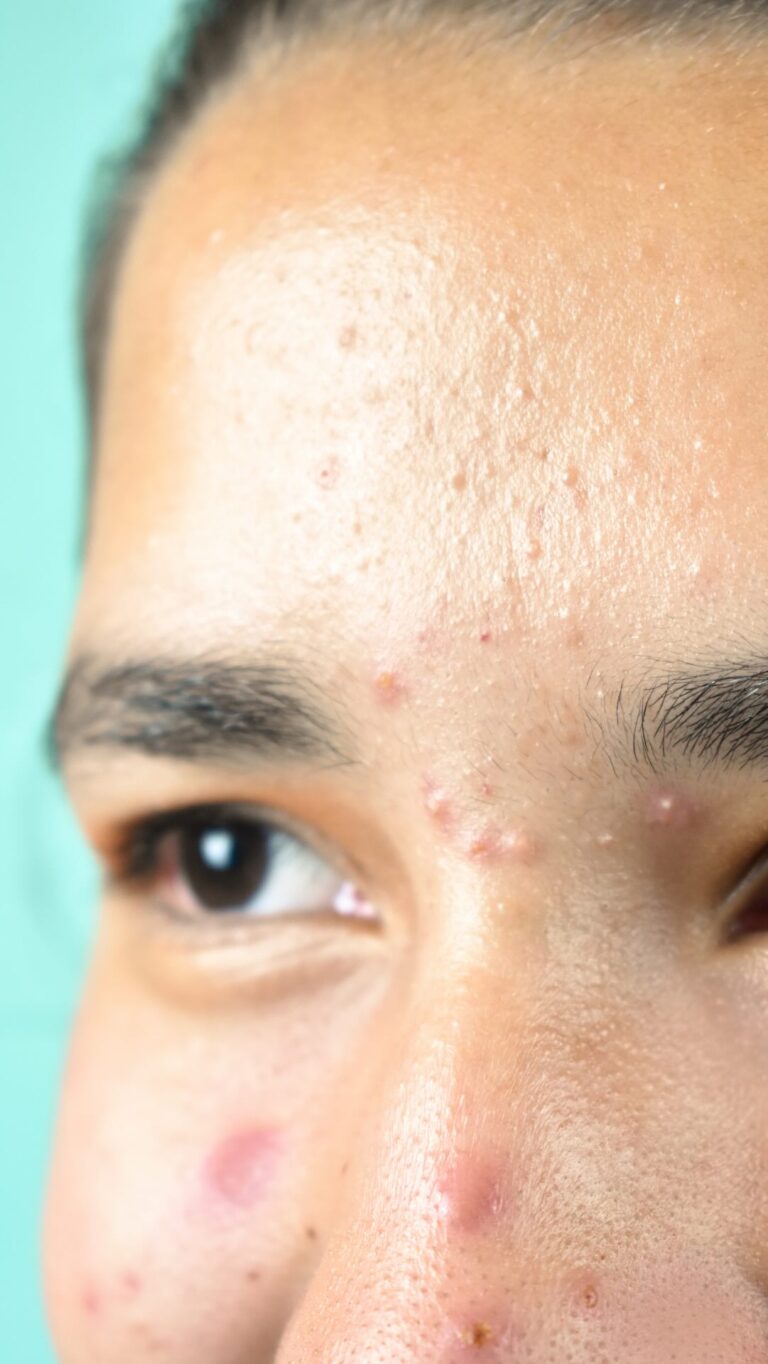
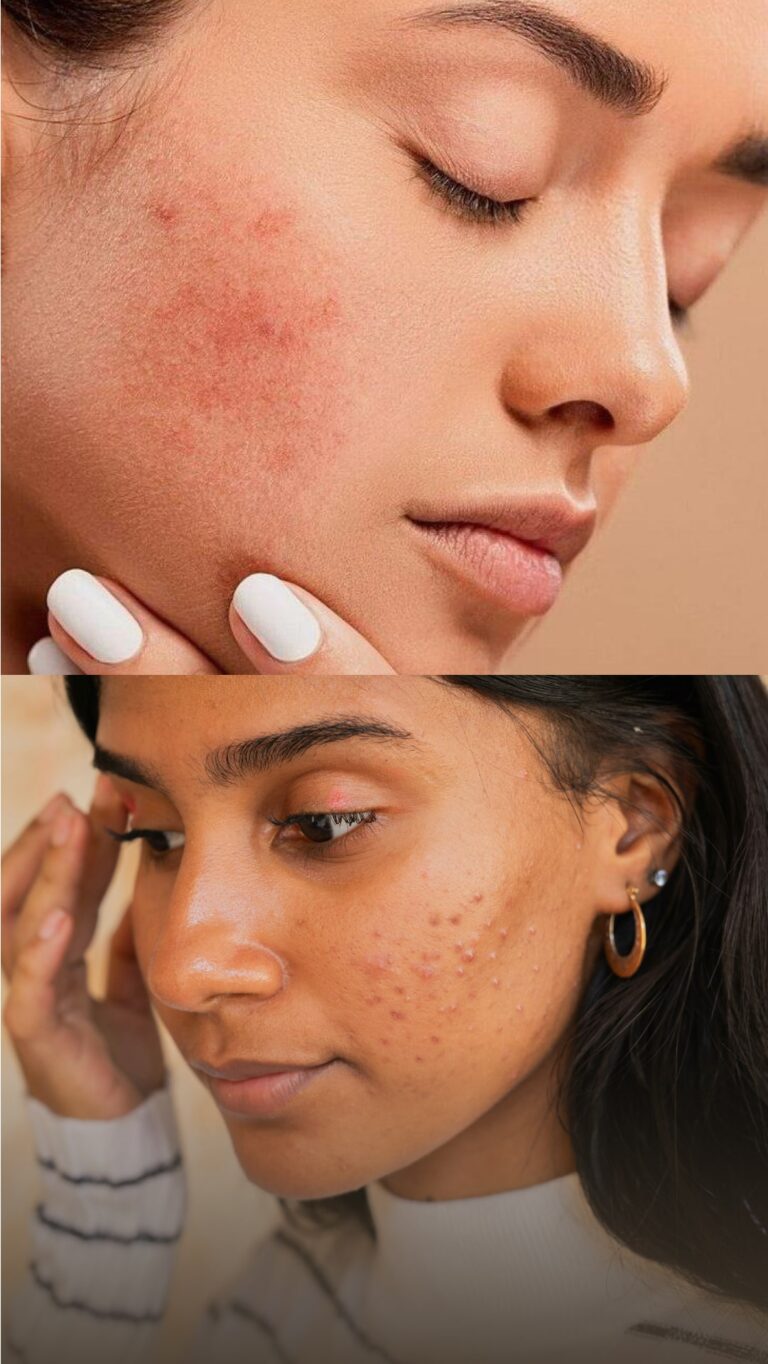
Roaccutane, the brand name for isotretinoin, is one of the most effective long-term treatments for severe acne cases. In his London clinic, Dr Derrick Phillips commonly prescribes roaccutane when other acne medicines, topical treatments, or antibiotics haven’t delivered lasting results.
By reducing sebum production, minimizing inflammation, and preventing clogged pores, Roaccutane creates a profound improvement in acne that many patients describe as life-changing. However, because roaccutane significantly reduces the skin’s natural oil levels, it also makes the skin more prone to dryness, irritation, and sensitivity. This means that the skincare routine you followed before starting prescription acne treatment may not be appropriate now.
Supportive skincare is essential during Roaccutane treatment — not only to keep you comfortable, but to allow the medication to work as effectively as possible. A simplified, gentle skincare routine will help reduce irritation, hydrate and protect the skin while it undergoes rapid changes.
Dr Derrick Phillips recommends these five dermatologist-approved tips for maintaining healthy skin throughout your Roaccutane journey.
1. Avoid Harsh Exfoliants and Active Ingredients
When taking Roaccutane, the skin becomes thinner, more delicate, and less resilient. Any product that would normally cause only mild tingling or dryness can now trigger pronounced irritation.
During Roaccutane treatment, your skin is already exfoliating at a faster rate. Adding chemical or physical exfoliants removes protective layers too quickly, making side effects worse and increasing the risk of dermatitis. Eliminating actives allows your skin to adjust to isotretinoin more comfortably and reduces inflammation.
Ingredients and products to avoid:
- Physical scrubs
- Glycolic acid (AHA)
- Lactic acid (AHA)
- Salicylic acid (BHA)
- Benzoyl peroxide
- Retinol or prescription retinoids
- Vitamin C serums
- Chemical exfoliating toners
- Peels (at-home or professional)
- Microdermabrasion
- Facial brushes or tools
2. Use a Gentle, Non-Stripping Cleanser
Cleansing is essential to remove sweat, debris, and environmental pollutants, but over-cleansing or using harsh formulas can worsen dryness.
Look for cleansers that are:
- Fragrance-free
- Non-foaming or low-foaming
- Creamy or milk-based
- pH-balanced
- Designed for dry or sensitive skin
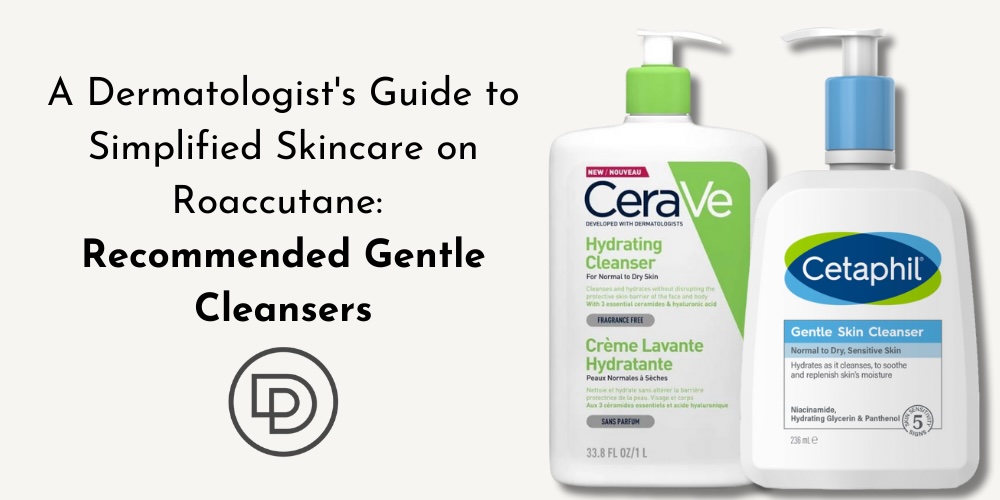
Gel cleansers intended for oily or acne-prone skin are often too drying during Roaccutane. Dr. Derrick Phillips recommends CeraVe Hydrating Facial Cleanser and Cetaphil Gentle Cleanser.
Look for beneficial ingredients in your cleansers, like:
- Glycerin
- Ceramides
- Panthenol
- Hyaluronic acid
These ingredients help maintain moisture during cleansing rather than stripping it away. The goal is always to preserve the skin’s natural barrier. Your cleanser should leave your skin feeling soft, not tight.
3. Use a Hydrating Moisturiser — But Avoid Thick, Heavy Emollients
Because Roaccutane reduces oil production, nearly all patients experience dryness. Moisturising is essential, but choosing the right kind of moisturiser is just as important.
Best types of moisturisers for Roaccutane patients are:
- Lightweight creams
- Ceramide-rich moisturisers
- Non-comedogenic hydrating lotions
Hydrating ingredients that support a fragile barrier:
- Hyaluronic acid
- Glycerin
- Squalane
- Ceramides
- Panthenol
- Shea butter (in lighter formulas)
Avoid very thick, occlusive creams. While heavy balms can feel soothing at first, they may clog pores or cause small bumps, such as closed comedones or whiteheads. Petrolatum-based products can be used on the lips, but are often too intense for the entire face.
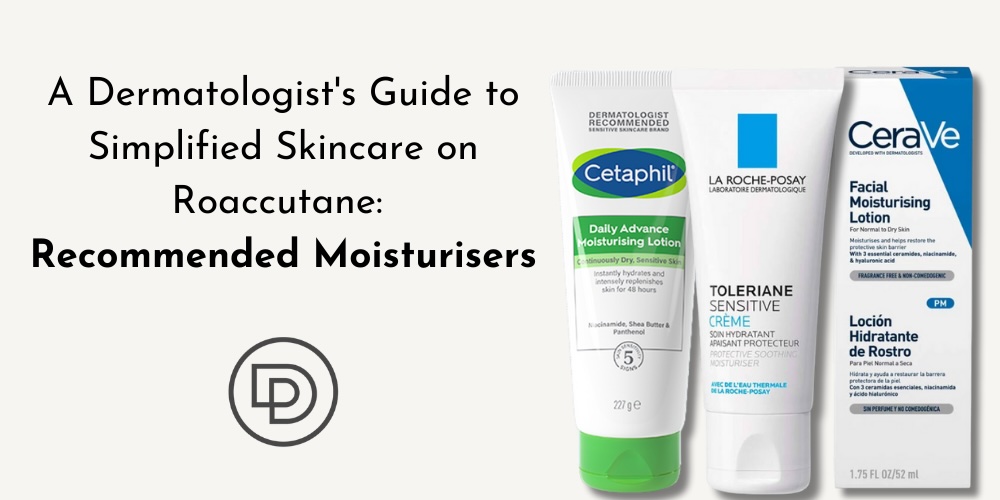
Dr. Derrick Phillips recommends La Roche-Posay Toleraine Sensitive Fluide, CeraVe Facial Moisturiser and Cetaphil Daily Hydrating Moisturiser.
Dermatologist Tip: If your skin becomes very dry or flaky, apply moisturizer to damp skin to boost hydration.
4. Protect Your Lips and Wear SPF 50 Every Day
Two side effects almost every Roaccutane patient experiences are:
- Dry, chapped lips
- Increased sun sensitivity
Lip care during Roaccutane
Use a nourishing lip balm throughout the day. Look for lip balms with the following ingredients:
- Lanolin
- Petroleum
- Ceramides
- Shea butter
- Beeswax
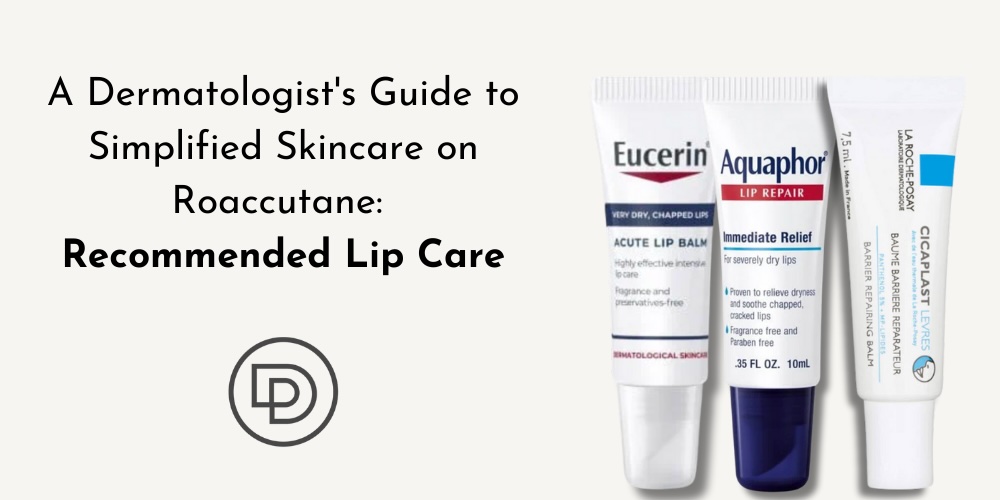
Dr. Derrick Phillip’s favourites include the Eucerin Acute Lip Balm, Aquaphor Lip Repair and Cicaplast Baume Lips. He is mentioned in this Guardian article discussing lip balms for dry and chapped lips, with additional product recommendations!
Reapply frequently, especially before bed. Many patients find that carrying a lip balm in every bag helps ensure consistent use.
SPF 50 is mandatory daily
Roaccutane makes your skin more prone to sunburn, inflammation, and pigmentation. A broad-spectrum SPF 50 sunscreen is essential every single day, even in the UK and even in winter.
Choose sunscreens that are:
- Hydrating
- Non-stinging
- Suitable for sensitive skin
- Fragrance-free
Mineral sunscreens containing zinc oxide are often well tolerated.
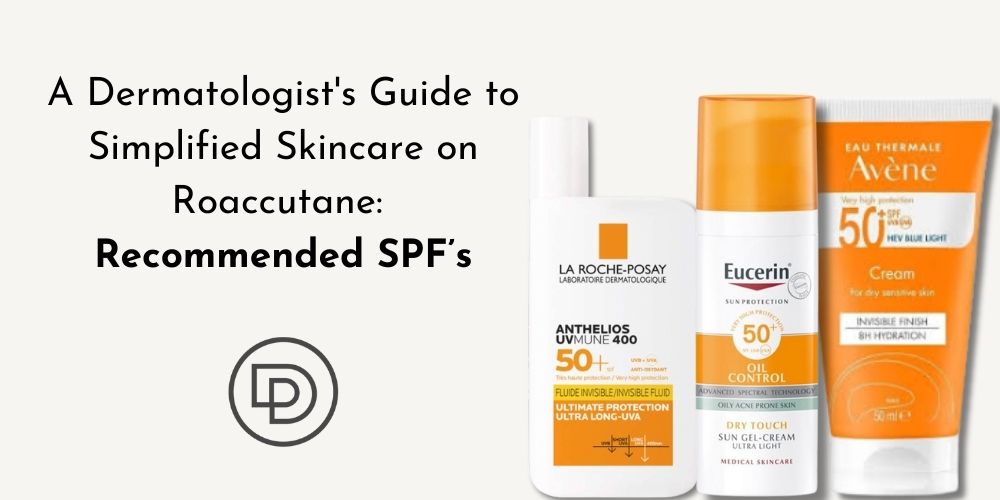
Dr. Derrick Phillip’s favourites include the Eucerin Sun Gel-Cream Oil Control SPF 50+, Anthelios UVMune 400 Invisible Fluid Spf50+ Sun Cream and Avene SPF 50+ Cream. Learn why Dr. Derrick Phillips loves the Avene SPF in this Stylist article.
5. Keep Your Routine Simple and Supportive
During Roaccutane, the best skincare routine is often the simplest. Dr Derrick Phillips stresses that trying to “treat” your skin aggressively during treatment generally backfires.
The ideal simplified routine includes:
Morning:
- Gentle cleanser
- Light hydrating moisturiser
- SPF 50 broad-spectrum sunscreen
- Lip balm
Evening:
- Gentle cleanser
- Hydrating, barrier-supportive moisturiser
- Lip balm
Your skin does not need to do extra work during treatment — your job is simply to keep it calm, hydrated, and protected!
Dermatitis as a Potential Side Effect of Roaccutane
Because Roaccutane significantly reduces the skin’s natural oils, it can weaken the skin barrier and increase the risk of dermatitis—a form of irritation marked by redness, dryness, flaking, and sensitivity. Many patients notice rough patches around the mouth, nose, or eyes as their skin becomes more reactive. The best way to reduce this risk is to keep your routine extremely gentle and follow this dermatologist recommended skincare guide.
Remember to choose fragrance-free products, moisturise consistently, and limit exposure to hot water or harsh weather. If irritation becomes persistent or painful, your dermatologist may recommend adjusting your routine or prescribing a mild anti-inflammatory treatment to ease symptoms and support the skin barrier during therapy.
Additional Lifestyle Considerations During Roaccutane Treatment
While skincare is important, your lifestyle choices also impact how well you tolerate treatment.
Can I Drink on Accutane?
Because isotretinoin is processed through the liver, pairing it with alcohol can increase strain. Many dermatologists recommend avoiding alcohol completely or limiting it significantly during treatment.
Avoid Tanning Beds and Waxing
Your skin is more fragile on Roaccutane, so waxing and threading should be postponed until after treatment and healing. Tanning beds are associated with skin cancer and should be avoided, especially whilst taking Roaccutane.
Stay Hydrated
Drink enough water daily to assist overall skin hydration from within.
Use a humidifier if needed
If you live in a dry climate or use indoor heating, adding moisture to the air can dramatically reduce skin dryness.
How Long Does Accutane Take to Work?
Every patient’s experience is different, but here’s a general timeline of what to expect on your accutane treatment:
- Weeks 1–4: Initial dryness, possible breakout flare
- Weeks 6–8: Skin begins improving
- Weeks 12–16: Noticeable reduction in oil and acne
- End of course: Smooth, clear skin for many patients
Most people complete treatment in 4–6 months, depending on dosage and severity of acne.
Roaccutane remains the gold-standard treatment for severe and persistent acne, and for many patients it can deliver long-lasting results.