Fungal acne, also known as Malassezia or Pityrosporum folliculitis, is a frequently misunderstood skin condition that often goes untreated or incorrectly managed. Many patients attempt traditional acne treatments for months without success, wondering why their breakouts persist. As consultant dermatologist, Dr Derrick Phillips explains that fungal acne is not acne at all. Instead, it’s a yeast-driven infection that requires a completely different treatment approach.
This guide offers a comprehensive, dermatologist explanation of what causes fungal acne, how to identify it, and the most effective fungal acne treatments, including evidence-based home options and medical therapies.
What Is Fungal Acne?
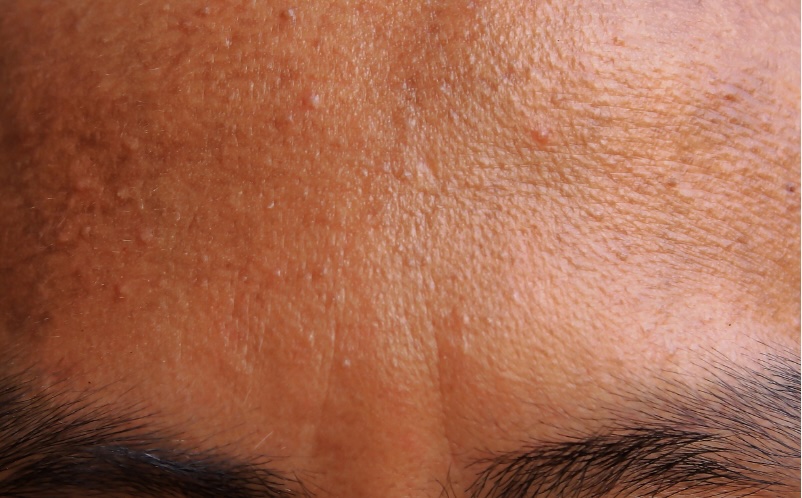
Despite its name, fungal acne is not caused by bacteria or oil-clogged pores. It occurs when a naturally occurring yeast, called Malassezia, overgrows inside the hair follicles, leading to inflammation. Because it produces small, uniform bumps that resemble acne, it’s easily mistaken for typical breakouts—causing patients to search online for solutions like “how to get rid of fungal acne” or “fungal acne treatment at home”.
Understanding the difference is essential because the treatments for fungal acne are completely different from those for bacterial acne.
How Fungal Acne Differs From Traditional Acne:
- Caused by yeast, not bacteria
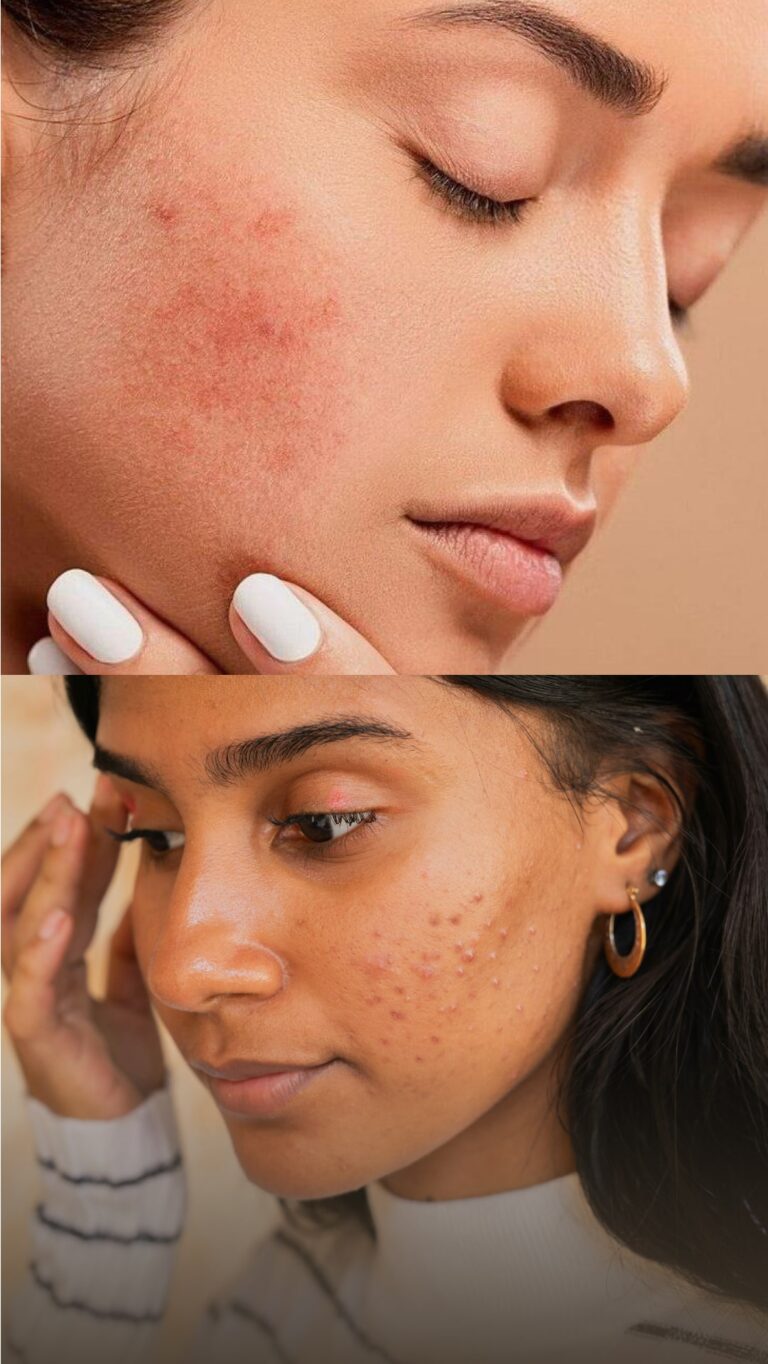
- Appears as small, itchy, uniform bumps
- Often clusters on the forehead, chest, shoulders, or back
- Worsens in heat, humidity, and sweat
- Flares after antibiotic use
- Does not respond to benzoyl peroxide, salicylic acid, or typical acne routines
- May improve temporarily with exfoliation, but quickly rebounds
When patients report “breakouts that won’t go away no matter what I try,” fungal acne is high on the list of possibilities.
What Causes Fungal Acne? Common Triggers Explained
Patients regularly search for “what causes fungal acne”, and the truth is that it often results from a mix of lifestyle, environment, and skincare factors.
1. Heat, Sweat & Occlusion
Malassezia yeast thrives in warm, humid environments. Sweating, wearing tight clothing, or using heavy moisturizers creates the perfect breeding ground.
2. Antibiotic Use
Oral or topical antibiotics kill acne-causing bacteria, but leave yeast untouched. With less bacterial competition, yeast grows unchecked—leading to fungal folliculitis.
3. Oily or Occlusive Skincare Products
Thick creams, coconut oil, shea butter, and oil-based foundations can trap moisture and feed yeast.
4. Compromised Skin Barrier
Over-exfoliation, harsh cleansers, or too many active ingredients can disrupt the microbiome, making the skin more vulnerable to yeast overgrowth.
5. Gym & Sweating Habits
Not showering immediately after workouts can cause sweat, heat, and yeast to accumulate within hair follicles.
How to Identify Fungal Acne
A dermatologist diagnosis is ideal, but these features strongly suggest fungal acne:
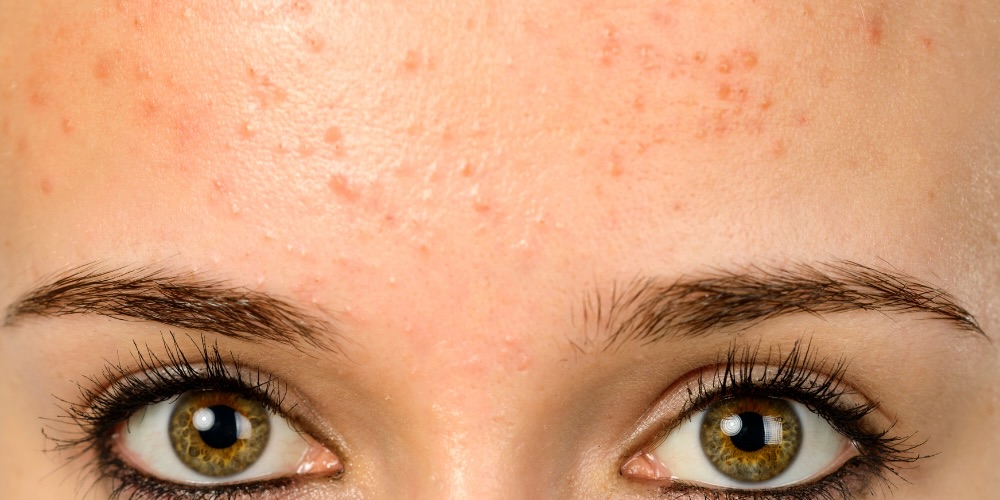
- Tiny bumps of similar size (monomorphic)
- Itchiness (true acne rarely itches)
- Clusters across the forehead, hairline, chest, upper back, or shoulders
- Worsening with sweat or humidity
- No improvement with traditional acne products
- Sudden flare after antibiotics or skincare changes
If you’re experiencing these symptoms, we recommend scheduling an appointment with a dermatologist to have a skin swab or biopsy done to confirm a fungal acne diagnosis. You can book a consultation with Dr Derrick Phillips here.
How to Treat Fungal Acne
Because fungal acne is caused by yeast, treatment must include products that directly target Malassezia. This is where most patients go wrong—traditional acne products often make fungal acne worse.
Below are the most effective strategies, based on clinical evidence and dermatological practice.
1. Antifungal Face Wash (First-Line Treatment)
Look for washes containing:
- Ketoconazole 1–2%
- Zinc pyrithione
- Selenium sulfide
2. Fungal Acne Creams (Topical Antifungals)
For more targeted treatment, topical antifungal creams are extremely effective. Creams include:
- Ketoconazole cream
- Miconazole cream
- Econazole cream
Apply once or twice daily for 2–4 weeks, or as directed by your dermatologist. These creams reduce yeast, soothe inflammation, and treat stubborn clusters of bumps.
3. Oral Antifungal Medications (For Persistent or Widespread Cases)
If fungal acne is widespread or recurs quickly, Dr Derrick Phillips may prescribe oral anti-fungals, including:
- Itraconazole
- Fluconazole
These oral treatments work systemically and often produce dramatic results in cases where topical options aren’t enough.
Maintenance: Preventing Fungal Acne From Returning
Long-term control of fungal acne requires ongoing maintenance, even after the skin has cleared, as recurrence is common. Dr Derrick Phillips recommends continuing an antifungal cleanser once or twice weekly, using products such as ketoconazole washes, selenium sulfide washes, or pyrithione zinc cleansers to keep Malassezia yeast under control.
For targeted areas, applying a light ketoconazole or miconazole antifungal cream can help prevent small flare-ups. To maintain results, avoid heavy oils, shower promptly after sweating, choose lightweight, non-occlusive skincare, and keep hair products away from the forehead and upper back. With consistent habits and the right antifungal products, fungal acne becomes far easier to keep under control long term.
How Long Does Fungal Acne Take to Clear?
Most patients notice improvement within:
- 3–7 days with antifungal washes or creams
- 2–4 weeks for full clearance
- Recurrence is common without maintenance
Consistent treatment and good lifestyle habits are key for long-term control.