
Dark circles under the eyes are one of the most common concerns seen in dermatology clinics. Many patients describe them as making them look tired, older, stressed, or unwell — even when they feel completely healthy.
As Dr Derrick Phillips explains, dark circles are not a single condition. Instead, they can result from a combination of pigmentation changes, visible blood vessels, lymphatic congestion, anatomical structure, muscle prominence, and age-related collagen loss.
Understanding what causes dark circles is the most important step toward effective treatment. This article focuses on the science behind dark circles, why they develop, and why accurate diagnosis matters far more than simply choosing the “best eye cream.”
Why the Under-Eye Area Is So Prone to Dark Circles
The skin beneath the eyes is one of the thinnest and most delicate areas of the face, measuring approximately 0.5 mm in thickness. Unlike other facial skin, it contains very little oil, fewer supporting structures, and minimal subcutaneous fat.
Because of this, the under-eye area is especially vulnerable to:
- Pigment changes
- Visible blood vessels
- Lymphatic congestion and fluid retention
- Structural hollowing and shadowing
- Muscle prominence beneath thin skin
- Collagen and elastin loss
- Irritation from rubbing, eczema, or allergies
Even subtle changes beneath the surface can dramatically affect how the skin appears from the outside.
Most patients experience multiple contributing factors at the same time, which is why dark circles often persist despite good sleep, hydration, and skincare.
Why Dark Circles Are Commonly Misdiagnosed
Many people assume dark circles are caused by:
- Poor sleep
- Dehydration
- Stress
- Age alone
While these factors can worsen the appearance, they are rarely the primary cause. In reality, genetics, anatomy, skin thickness, and vascular visibility play a far greater role.
This misunderstanding often leads to frustration. Patients may try multiple eye creams, home remedies, or lifestyle changes without seeing meaningful improvement — simply because the underlying cause has not been identified correctly.
The Five Main Causes of Dark Circles Under the Eye
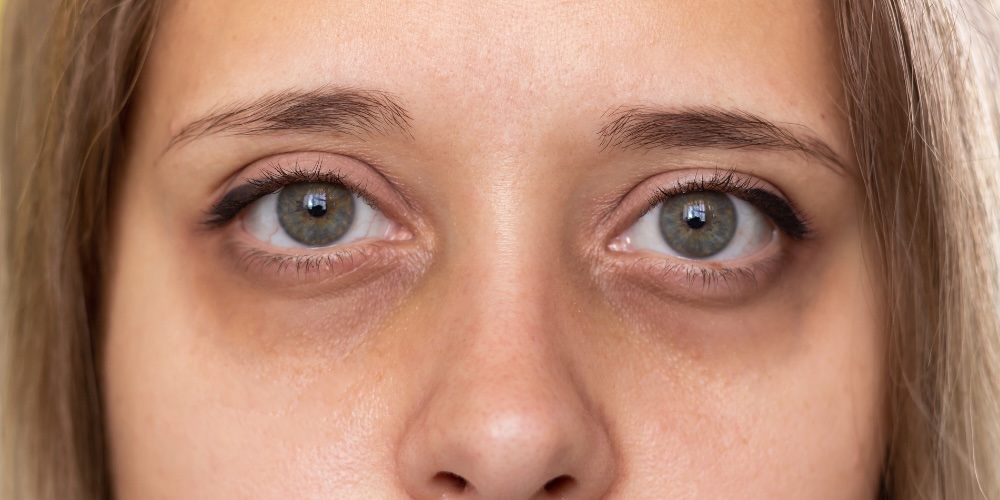
1. Hyperpigmentation (Genetic or Post-Inflammatory)
Cause: Excess melanin production in thin under-eye skin
Hyperpigmentation is one of the most common causes of dark circles, particularly in darker skin tones. It occurs when melanocytes produce excess pigment, either due to genetics or as a response to inflammation.
Common triggers include:
- Genetic predisposition
- Eczema or dermatitis
- Chronic rubbing or scratching
- Allergies
- Post-inflammatory hyperpigmentation
How it looks:
- Brown, grey, or dull discolouration
- Persistent darkness that does not improve with rest
Because the skin is so thin, even small increases in pigment become highly visible.
Why it can worsen over time:
Repeated inflammation and irritation can continually stimulate pigment production, making discolouration more entrenched and difficult to treat without professional intervention.
2. Venous and Lymphatic Congestion
Cause: Blood pooling and impaired drainage beneath the eyes
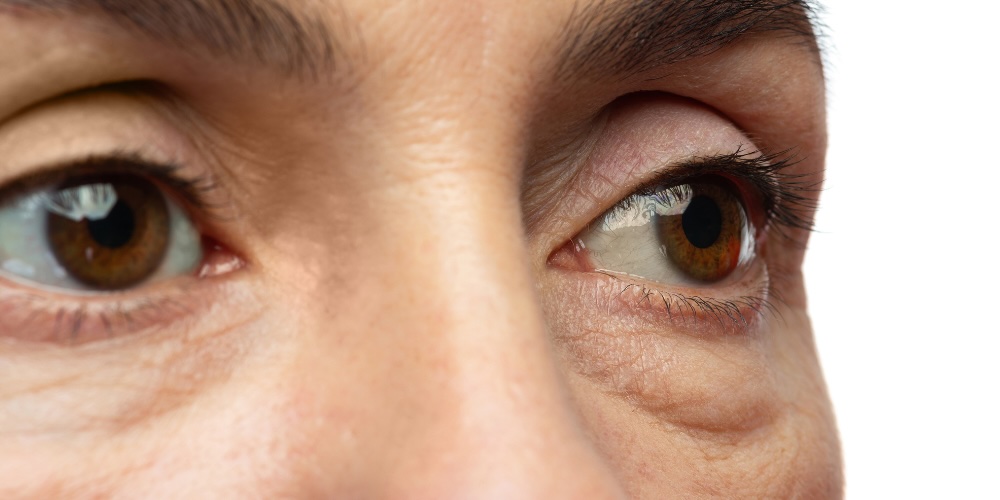
Venous and lymphatic congestion causes the under-eye area to appear blue, purple, or reddish. This is often mistaken for pigmentation.
Triggers include:
- Allergies or sinus congestion
- Poor sleep
- Fluid retention
- Rosacea
- Certain medications
- Medical conditions
How it looks:
- Blue or purplish discolouration
- Puffiness or swelling
- Worse in the morning or during allergy flare-ups
- Improves slightly when the skin is stretched
Why it happens:
Dilated veins and sluggish lymphatic drainage allow deoxygenated blood and fluid to pool, creating visible darkness beneath thin skin.
3. Tear Trough Hollowing (Structural Shadowing)
Cause: Loss of fat, bone support, and collagen
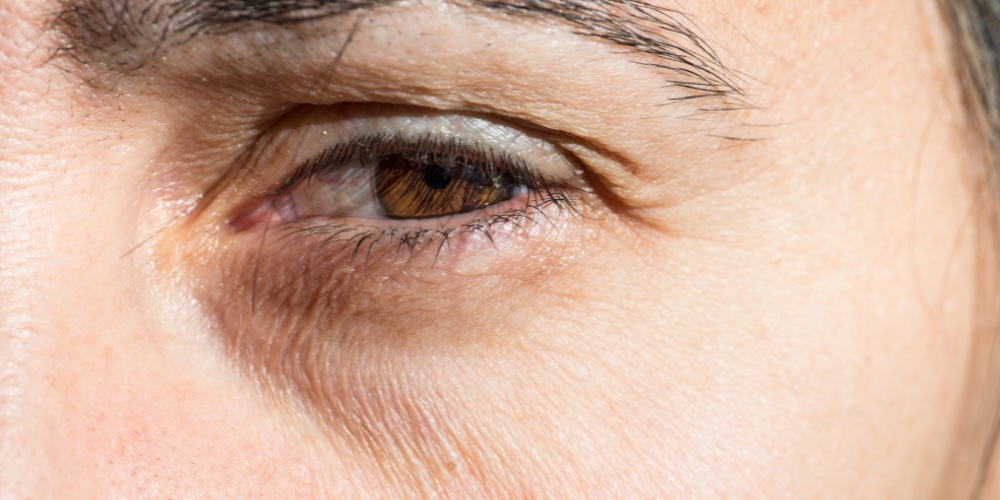
Tear trough hollowing is one of the most common causes of dark circles seen in clinic and is frequently mistaken for pigmentation.
How it looks:
- A visible groove beneath the eye
- Darkness regardless of skin colour
- Shadowing improves when the skin is gently lifted
Why it happens:
As we age — or due to genetics — there is gradual loss of:
- Fat pads beneath the eye
- Collagen and skin elasticity
- Bone support of the midface
This creates a hollow that casts a shadow, making the area appear darker.
4. Thickened Orbicularis Oculi Muscle
Cause: Muscle prominence creating shadowing
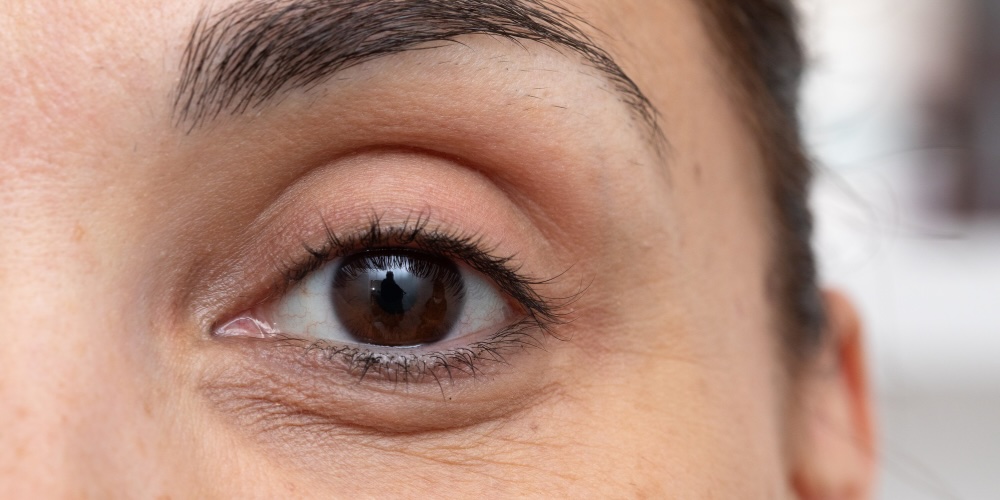
In some individuals, the muscle beneath the lower eyelid becomes more prominent. This creates a small bulge that casts a shadow on the skin beneath it.
How it looks:
- A soft roll just below the lashes
- More noticeable when smiling or squinting
This is an often-overlooked cause and requires expert assessment to diagnose correctly.
5. Superficial Blood Vessels
Cause: Visible capillaries beneath thin skin
With naturally thin skin — or with age-related thinning — blood vessels beneath the eyes become more visible.
How it looks
- Blue, purple, or red vessels
- More noticeable over time
This vascular visibility contributes significantly to under-eye darkness in some patients.
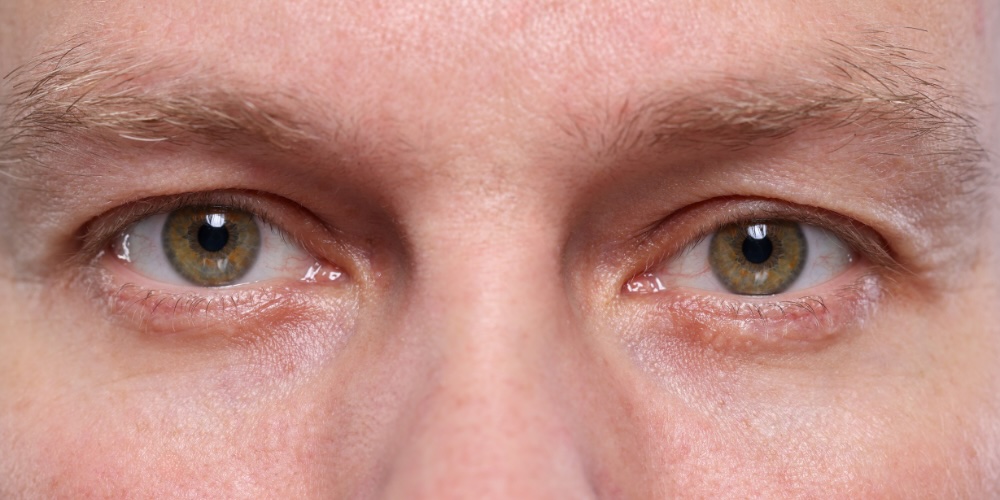
Understanding Dark Circle Type at Home
While professional assessment is essential, these observations may help:
- Brown or grey tone → pigmentation
- Blue or purple tone → vascular visibility or congestion
- Darkness disappears when lifting the skin → structural hollowing
- Worse when smiling → muscle-related shadowing
Most people identify more than one feature, reinforcing why dark circles often need a combination approach that’s best determined by a consultant dermatologist.
Read more about Dr Derrick Phillips’ recommended dark circle treatment options in this article.