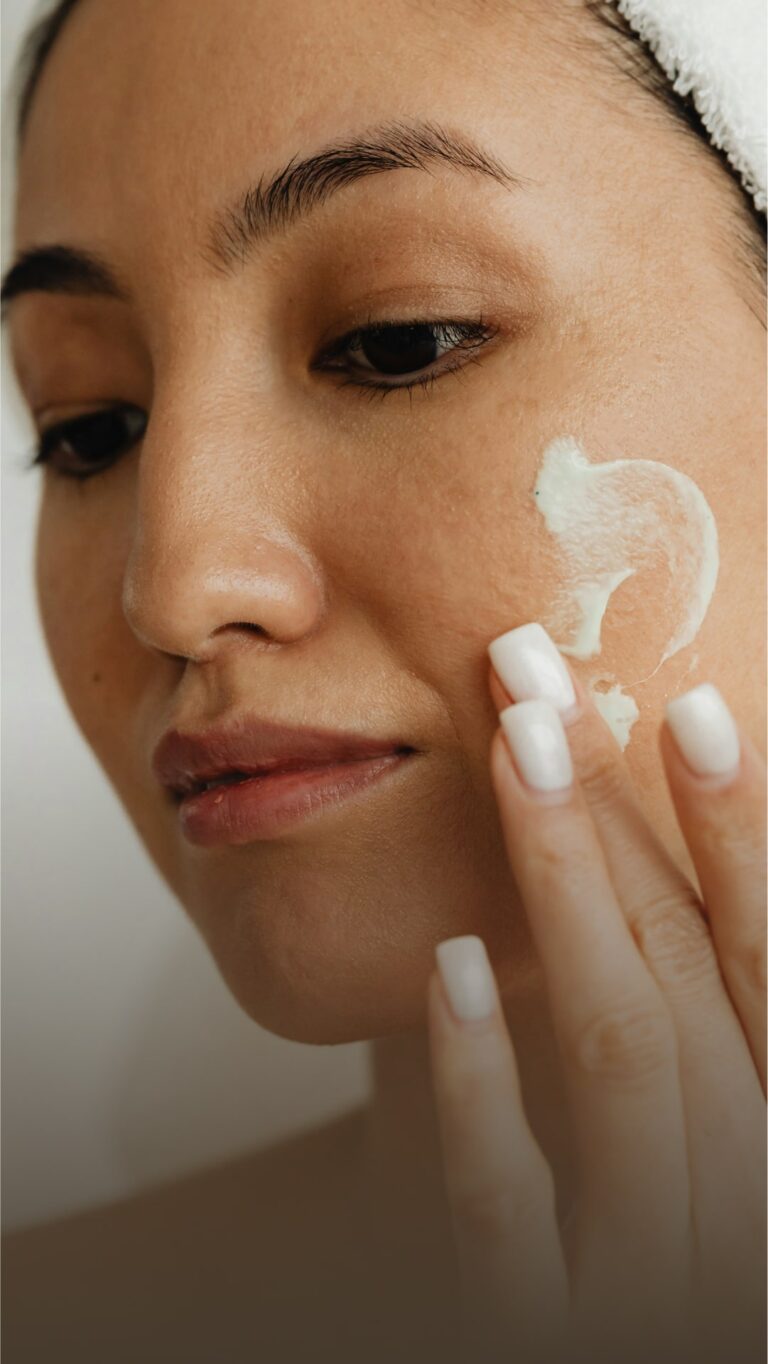
Peptides have become a key ingredient in modern skin care, widely used for their ability to support the skin’s natural protein production and overall resilience. Often included as part of a well-structured skincare routine, peptides for skin help improve texture, maintain firmness, and support long-term skin quality.
As Dr Derrick Phillips explains, peptides are versatile, effective, and easy to layer with other products, making them suitable for both preventative care and targeted skin concerns.
What Are Peptides?
Peptides are short chains of amino acids, and amino acids are the building blocks that form proteins. In the skin, proteins are responsible for firmness, elasticity, barrier strength, and repair.
The most important structural proteins include:
- Collagen – gives skin strength and density
- Elastin – allows skin to stretch and bounce back
- Keratin – supports the outer protective layer
As we age, and with ongoing inflammation or sun exposure, the production of these proteins slows while their breakdown accelerates. This imbalance contributes to fine lines, loss of firmness, and changes in skin texture.
Peptides in skincare are designed to act as biological messengers, encouraging the skin to maintain or increase production of these structural proteins.
How Do Peptides Work Once Applied?
When applied topically, well-formulated peptides can penetrate the outermost layer of skin and interact with cells in the epidermis and upper dermis.
Their main actions include:
1. Signaling Protein Production
Certain peptides mimic fragments of broken collagen. The skin interprets this as a signal that repair is needed, stimulating collagen and elastin synthesis.
2. Supporting Repair Pathways
These proteins can assist with cellular communication involved in healing, regeneration, and barrier restoration.
3. Protecting Existing Structure
Some inhibit enzymes that break down collagen and elastin, helping preserve what the skin already has.
This is why peptides are considered supportive and restorative, rather than aggressive exfoliating or resurfacing ingredients.
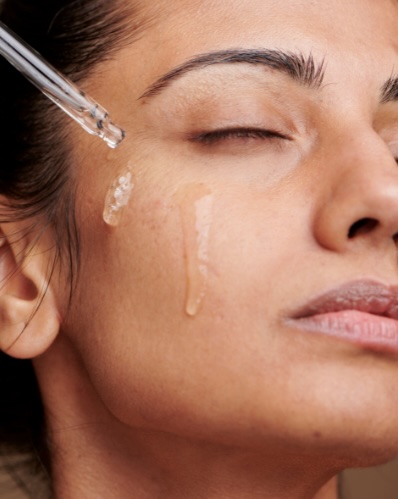
The Main Types of Peptides used in Skincare
Different peptides have different functions within the skin.
Signal peptides
These are commonly used in anti-ageing skincare. They act as messengers, encouraging skin cells to support the production of structural proteins such as collagen and elastin. Over time, this can help improve skin firmness and the appearance of fine lines.
Carrier peptides
Carrier peptides help transport trace elements, such as copper, into the skin. Copper peptides have been studied for their role in skin repair and antioxidant defence, and they support enzymatic processes involved in maintaining healthy skin function.
Neuro-modulating peptides
Sometimes referred to as “expression-line peptides,” these peptides are thought to influence cell signalling pathways involved in muscle contraction. In topical skincare, they may help soften the appearance of dynamic lines, although their effects are subtle and not comparable to injectable neuromodulators.
Enzyme-inhibitor peptides
These peptides are designed to help limit the activity of enzymes involved in collagen breakdown. By reducing excessive degradation, they may help support the skin’s structural integrity over time.
Why Peptides Are So Versatile in a Skincare Routine
One of the reasons peptides are widely recommended is their compatibility.
They generally:
- Work alongside hydrating ingredients like hyaluronic acid
- Complement barrier-supporting ingredients such as niacinamide and panthenol
- Pair with antioxidants to support environmental protection
- Fit into both morning and evening routines
Unlike highly active resurfacing ingredients, peptides tend to be gentle, making them suitable for sensitive or reactive skin types when formulated well.
What Skin Concerns Do Peptides Help Address?
Peptides are not single-issue ingredients. Instead, they support foundational skin functions that influence multiple concerns.
They are commonly used to help with:
- Fine lines and early wrinkles
- Loss of firmness and elasticity
- Rough or uneven texture
- Dullness related to reduced skin vitality
- Barrier support and recovery after stress
- Dark circles
Because they work gradually by influencing protein production and cellular signalling, results build over time with consistent use.
Popular Peptide Serums and Moisturisers
Peptides now feature across a wide range of skincare, from targeted serums to everyday moisturisers. The following products are commonly used to support skin firmness, hydration, and overall skin quality.
Medik8 Liquid Peptides
A lightweight serum containing a multi-peptide complex designed to support collagen signalling and improve the appearance of fine lines. Well tolerated and easy to layer within both morning and evening routines.
Medik8 Liquid Peptides Advanced MP
A more intensive formulation combining multiple peptides with additional skin-supporting ingredients. Designed for those looking to target visible signs of skin ageing, including loss of firmness and deeper lines.
SkinCeuticals P-TIOX
A peptide-based serum formulated to help improve the appearance of expression lines and skin texture. It is often positioned as a topical option to complement in-clinic treatments rather than replace them.
The Ordinary Argireline Solution 10%
A targeted peptide serum formulated to soften the appearance of dynamic lines, particularly on the forehead and around the eyes. Typically used as a treatment step rather than a full-face serum.
The Ordinary Multi-Peptide + HA Serum
A broad-spectrum peptide serum combined with hyaluronic acid to support hydration while targeting early signs of skin ageing. Often used as an entry-level peptide product.
The INKEY List Peptide Moisturiser
A daily moisturiser containing peptides designed to support skin elasticity while providing hydration and barrier support, making it suitable for regular use.
How to Use Peptides Effectively
- Apply peptide serums after cleansing and before heavier creams.
- Use once or twice daily depending on the product.
- Layer with hydrating ingredients to improve comfort and absorption.
- Avoid applying immediately after strong acidic exfoliants in the same step.
- Always use daily sunscreen, as UV damage breaks down collagen.
Consistency is key. Peptides support long-term structural health rather than providing instant surface changes.

Are peptides right for everyone?
Because peptides support fundamental skin processes, they are suitable for most skin types and are generally well tolerated. They can be particularly useful for:
- Preventative anti-ageing
- Maintaining skin quality over time
- Supporting recovery after skin stress or procedures
- Enhancing the overall performance of a skincare routine
For more advanced or treatment-resistant skin concerns, peptides are best used as part of a broader, dermatologist-guided plan rather than as a standalone solution.