
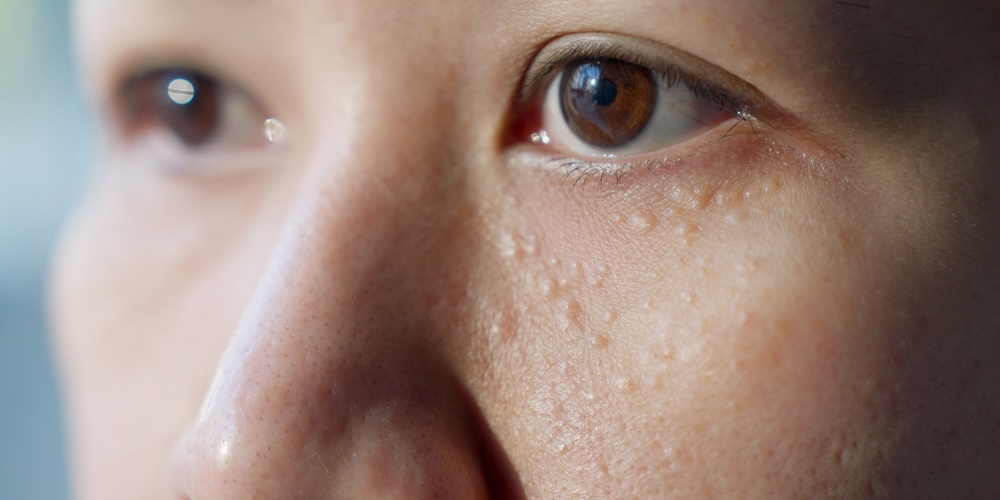
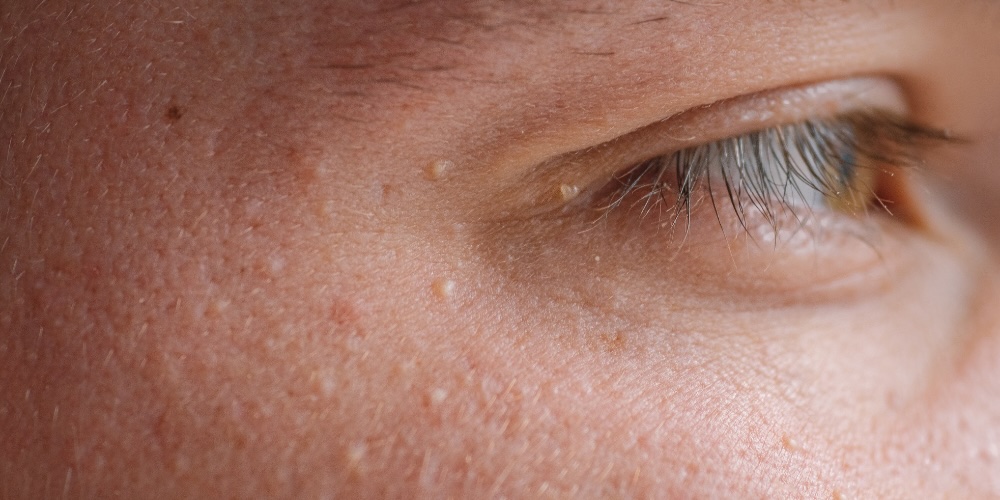
Milia are small, white or yellowish keratin-filled cysts that develop when dead skin cells become trapped beneath the surface of the skin. They commonly appear around the eyes, cheeks, and nose, and while they are harmless, they can be stubborn and frustrating for our patients. Many people search for how to get rid of milia safely, only to find that improper treatments can make the issue worse.
According to Dr Derrick Phillips, effective milia removal starts with understanding why milia form and which treatments are safe for the skin. This article explains dermatologist-recommended approaches to milia removal, including professional extraction, appropriate at-home care, and strategies to help prevent milia from coming back—without causing scarring or irritation.
What Are Milia Spots?
Milia are tiny cysts that form when keratin — a structural protein found in the skin — becomes trapped beneath the outermost layer. Unlike pimples or acne, milia are not caused by bacteria, inflammation, or infection. Instead, they consist of small, encapsulated collections of keratin within the superficial layers of the skin.
They most commonly appear:
- Around the eyes and eyelids
- On the cheeks
- On the nose
- On the forehead
Why Milia Form
Milia can occur at any age and in all skin types. They are very common in newborns but also frequently affect adults. In adults, milia are more likely to develop when the skin has been irritated, when heavier or occlusive products trap keratin beneath the surface, or where there is an underlying genetic predisposition.
Common contributing factors include:
- Occlusive skincare products
Rich creams, thick balms, petroleum-based products, and heavy makeup can limit normal skin cell turnover and increase the likelihood of keratin becoming trapped. - Skin irritation
Sun damage, burns, or repeated irritation from harsh or inappropriate skincare ingredients can disrupt normal skin renewal, leading to milia formation. - Reduced exfoliation
When the skin’s natural shedding process slows — due to ageing, environmental factors, or insufficient gentle exfoliation — keratin can accumulate beneath the outermost layer. - Genetics
Some individuals are naturally more prone to developing milia, even in the absence of obvious triggers.
Milia Removal Treatments
Because milia are small keratin cysts beneath the skin, they do not respond to squeezing or typical acne treatments, which is why they can be so frustrating. Instead, removal typically requires controlled, professional techniques. As Dr Derrick Phillips explains, several effective options are used depending on the number, location, and persistence of the milia.
1. Fine Needle Extraction
The most common and immediate treatment is fine needle extraction performed in clinic. A sterile, fine needle or lancet is used to create a tiny opening in the surface of the skin, allowing the trapped keratin to be gently released. When done by a trained professional, this is quick, precise, and minimises the risk of scarring or pigmentation changes.
This is particularly useful for isolated milia around the eyes or cheeks.
2. Cautery
For certain milia, especially those that are firmer or more persistent, cautery may be used. This technique applies controlled heat to open the surface of the milium and allow removal of the contents. Cautery is performed carefully to protect surrounding skin and is often chosen when simple extraction is not sufficient.
3. Topical Retinoids and Retinol Eye Creams
While in-clinic procedures remove existing milia, retinoids — including retinol eye creams — help prevent new ones from forming. Retinoids promote cell turnover, encouraging the skin to shed dead cells more efficiently and reducing the likelihood of keratin becoming trapped beneath the surface.
Low-strength retinol formulations designed for the eye area can be especially helpful for people prone to milia in this region, provided they are introduced gradually and used with sun protection.
Important Note
These treatments should only be performed or advised by a qualified professional. Attempting to remove milia at home using needles or tools can lead to scarring, infection, or post-inflammatory pigmentation.
Maintenance and Prevention
Once milia are removed, preventing new lesions is key. Dr Phillips recommends:
- Daily SPF 30+ sunscreen, because sun damage slows cell turnover
- A gentle skincare routine, avoiding heavy occlusive creams around the eyes
- Introducing retinoid eye creams (as tolerated) to maintain turnover (Find a retinol for beginners guide here.)
Over time, these habits help keep keratin from becoming trapped.