
Sunspots, also called solar lentigines, age spots, or sun marks, are flat, brown patches that appear on sun-exposed areas of the face and body. They’re extremely common and usually harmless, but for many people sunspot pigmentation on the face is a persistent cosmetic concern.
In recent years, IPL treatment (Intense Pulsed Light) has become one of the most popular non-invasive options dermatologists use to improve sunspots and other forms of pigmentation, like post inflammatory hyperpigmentation and melasma.
In this article, we’ll explain exactly what IPL is, how it works for sunspots, what to expect from IPL treatment, and who is a good candidate.
What Is IPL Treatment?
IPL stands for Intense Pulsed Light, a technology that emits broad-spectrum pulses of light into the skin. Unlike a laser, which uses a single wavelength, IPL delivers multiple wavelengths that target pigment and blood vessels in the superficial layers of the skin.
When light energy hits pigment in the skin (such as melanin in sunspots), it is absorbed and broken down. Over time, the body naturally clears the fragmented pigment particles, resulting in faded or lightened spots and a more even complexion.
Because IPL also targets red and brown chromophores (pigment), it is frequently used for:
- Sunspots/sun marks
- Freckles
- Age-related pigmentation
- Rosacea or vascular redness
- General skin rejuvenation
Sunspots and Pigmentation: Why They Develop
Sunspots are fundamentally caused by chronic exposure to ultraviolet (UV) radiation, which stimulates melanocytes to produce extra melanin in a concentrated area.
Other contributing factors include:
- Ageing, which affects how pigment is distributed
- Genetics and skin type
- Cumulative sun exposure over years
- Tanning beds or high-intensity light sources
Sunspots do not typically hurt or itch — they’re purely a cosmetic form of pigmentation. But because they can be very noticeable on the face, many patients seek treatment to achieve a more even, youthful skin tone.
How IPL Works for Sunspots
IPL targets melanin, the pigment that gives skin its colour. Sunspots are areas with higher melanin concentration.
Here’s how it works:
- Light pulses are absorbed by melanin in sunspots
- The energy causes the pigment to break up into smaller fragments
- The body’s immune system gradually clears these fragments
- Over a series of sessions, pigmented areas fade and blend with surrounding skin
Because IPL uses broad spectrum light, it doesn’t just target pigment — it also stimulates collagen formation and can improve overall skin texture and tone.
IPL vs Laser for Pigmentation
IPL and laser treatment for melasma or sunspots both use light energy, but they differ in how they deliver it.
- IPL treatment uses multiple wavelengths and is versatile — good for brown and red pigment, and rejuvenation.
- Lasers use a single wavelength tuned to a specific chromophore (melanin or hemoglobin).
For sunspots specifically, IPL is often preferred because:
- It’s gentler on the skin
- It treats a wider range of pigmentation issues simultaneously
- It improves texture and redness at the same time
However, for deep or very stubborn pigment, fractional lasers or specialized pigment-targeting lasers may be more appropriate — something a dermatologist will help determine.
What to Expect During an IPL Session
IPL treatments are usually quick, comfortable, and require little to no downtime.
Typical Treatment Process:
- Consultation & skin assessment: A dermatologist evaluates your pigmentation and skin type.
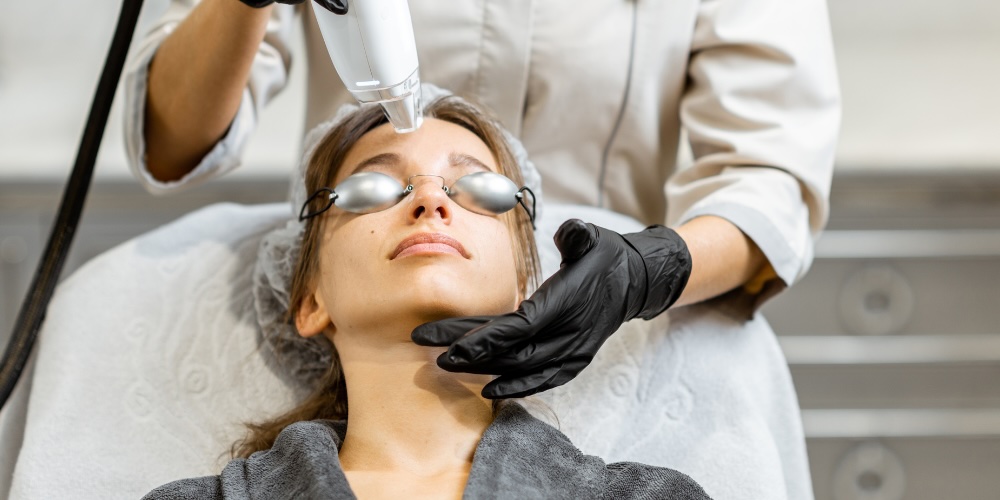
- Pre-treatment prep: Eyes are shielded; a cooling gel may be applied.
- Light pulses delivered: You may feel a warm snapping sensation.
- Post-treatment care: Sunscreen and gentle skincare are crucial.
Sensations During Treatment
Most patients describe the sensation as similar to a rubber band snapping lightly on the skin. Discomfort is minimal, and cooling measures help improve comfort.
Post-Treatment Immediate Effects
- The treated spots may appear darker initially — this is normal
- Pigment then flakes off over the next 1-2 weeks
- Slight redness or warmth is typical
How Many Sessions Do You Need?
Sunspots usually require multiple sessions for optimal results.
- Common range: 3–6 sessions
- Spacing: Every 3–4 weeks
- Pigmentation often continues to improve between sessions as the body clears pigment
Results vary by individual — lighter, more persistent spots may take more sessions. Dr Derrick Phillips will tailor a custom plan based on how your skin responds.
Who Is a Good Candidate for IPL Treatment?
IPL works best for:
- Fitzpatrick skin types I–III (lighter to medium skin tones)
- People with sun-induced pigmentation
- Those seeking texture improvement in addition to pigment reduction
In darker skin tones (Fitzpatrick IV–VI), higher levels of melanin mean that treatments such as IPL can absorb too much heat, increasing the risk of burns and pigmentation changes. For this reason, IPL is generally not suitable for darker skin. A dermatologist may instead recommend safer alternatives, such as specialist lasers, chemical peels, or tailored skincare, chosen specifically for your skin type.
IPL is not suitable if:
- You have an active tan
- You have recent sunburn
- You are pregnant (many clinicians err on the side of caution)
- You have skin of colour (Fitzpatrick IV-VI)
Once pigmentation starts to fade, sun protection becomes even more important — both to maintain results and prevent new spots from forming.
Key aftercare steps:
- Daily broad-spectrum sunscreen (SPF 50+)
- Reapply if outdoors for long periods
- Wear hats and protective clothing
- Avoid intentional tanning
Without diligent sun protection, the benefits of IPL can be short-lived, since UV exposure is the fundamental cause of sunspots.
Combining IPL With Other Treatments
IPL can work synergistically with other dermatology-led treatments for pigmentation:
Topical Depigmenting Agents
Products such as:
- Azelaic acid
- Vitamin C
- Retinoids
These help regulate melanin and support long-term pigment control.
Chemical Peels
Superficial peels can help improve texture and brighten the skin, preparing it for or complementing IPL.
Sunscreens With Visible Light Protection
Sun protections containing iron oxides can guard against visible light stimulation of pigment — a growing area in pigmentation management.
IPL Safety and Side Effects
When performed by a qualified clinician, IPL is generally safe and well-tolerated.
Possible side effects include:
- Temporary redness or warmth
- Darkening of spots before they fade
- Mild swelling
- Rarely, blistering or hypo/hyperpigmentation (more common in deeper tones)
Aftercare and sun avoidance reduce these risks. Professional assessment ensures the safest and most effective approach for your skin.
As discussed in this article, it’s best to seek a dermatologist, like Dr Derrick Phillips, for more advanced IPL and hyperpigmentation treatments.
When to See a Dermatologist
If sunspots are affecting your skin confidence, or you haven’t seen improvement with sunscreen and at-home products, a dermatologist consultation can help determine:
- If IPL is right for you
- Which wavelength or device is best
- How to combine IPL with other treatments for maximal effect
Dr Derrick Phillips specialises in custom treatment plans for pigmentation, offering a wide range of evidence-based solutions.