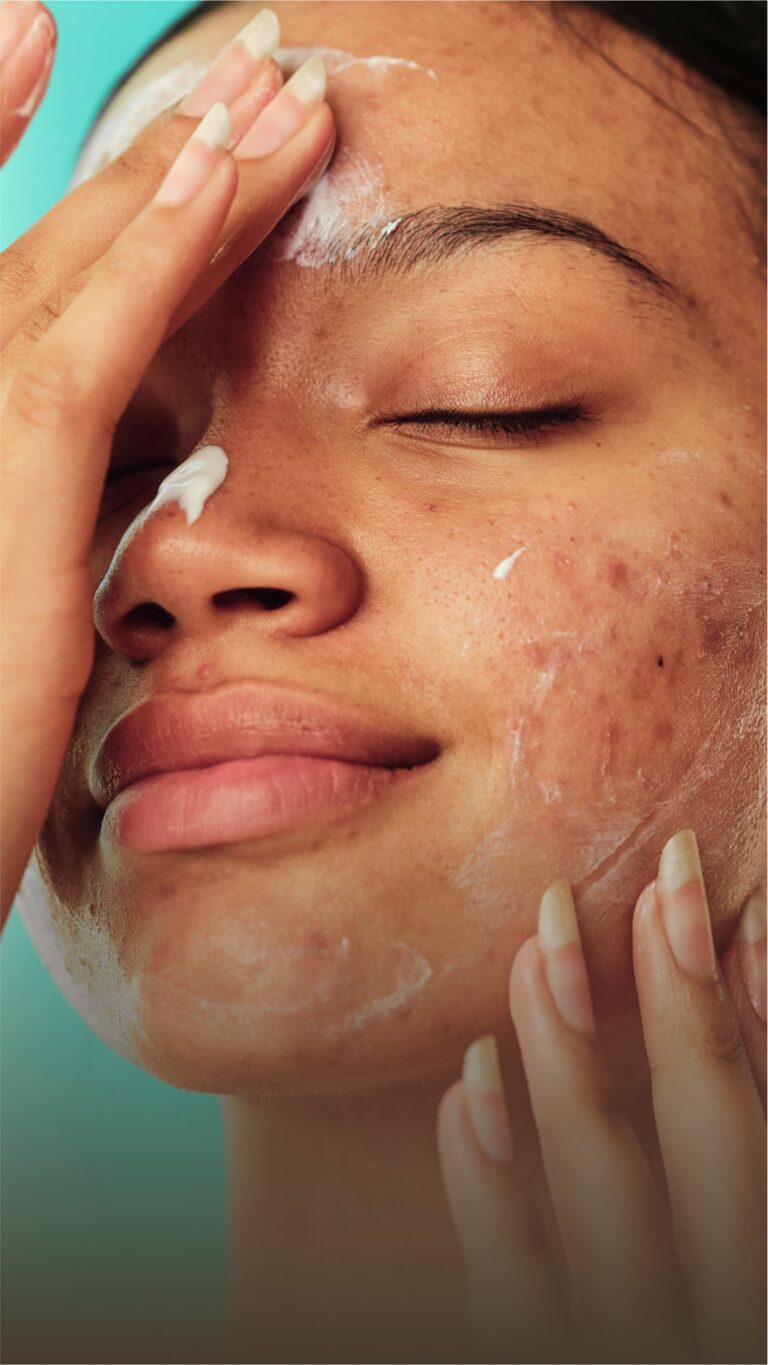
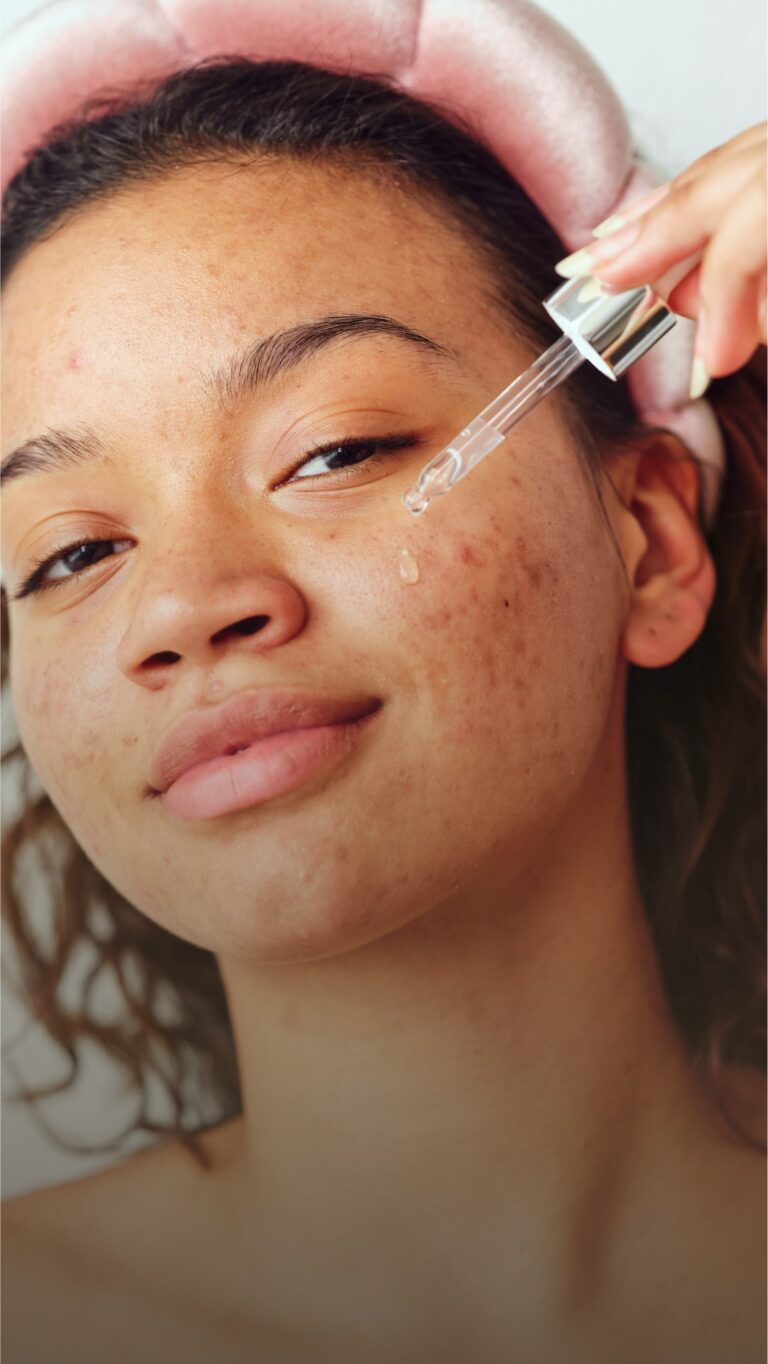
Blackheads are one of the most common skin concerns, particularly on the nose, chin, and forehead. They are a feature of acne and can affect people of all ages, not just teenagers.
In this video, Dr Derrick Phillips explains what blackheads actually are, and outlines simple, evidence-based steps to treat and prevent them safely.
This guide covers what causes blackheads, why squeezing often makes them worse, and the dermatologist-recommended ingredients that help clear and prevent them.
What Are Blackheads?
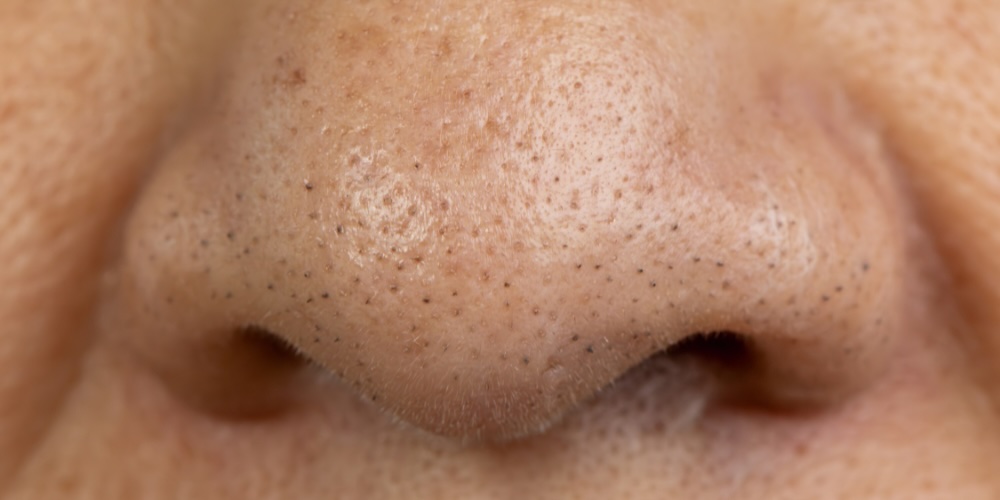
Blackheads, medically known as open comedones, form when a pore becomes partially clogged with a mixture of oil (sebum), dead skin cells, and debris.
Unlike whiteheads, blackheads remain open at the surface of the skin. When the trapped material is exposed to air, it oxidises — turning dark in colour. The black appearance is not dirt, but oxidised keratin and sebum.
They most commonly appear in areas with higher oil production, including:
- Nose
- Chin
- Forehead
- Occasionally the cheeks
Because they are non-inflammatory lesions, blackheads usually aren’t painful, but they can be persistent and cosmetically frustrating.
How to Remove Blackheads
Dr Phillips emphasises that effective treatment focuses on keeping pores clear and regulating oil production, rather than aggressively scrubbing or squeezing.
1. Salicylic Acid (BHA) Exfoliation
The cornerstone of blackhead treatment is salicylic acid, also known as a beta-hydroxy acid (BHA).
Salicylic acid works because it is oil-soluble, meaning it can penetrate into the pore lining and dissolve excess oil and dead skin cells.
Recommended options include:
- Paula’s Choice 2% BHA Exfoliating Toner
- The Ordinary 2% Salicylic Acid Serum
- CeraVe Acne Blemish Control Gel (2% salicylic acid)
These should typically be used 2–3 times per week, depending on skin tolerance. Overuse can lead to irritation and barrier disruption.
2. Exfoliating Cleansers
Using a cleanser formulated for blemish-prone skin can help prevent buildup in pores.
Cleansers containing salicylic acid such as the CeraVe Blemish Control Cleanser and Cetaphil Gentle Exfoliating SA Cleanser, gently exfoliate while washing the skin. They’re particularly useful for oily or congestion-prone skin types.
However, cleansing alone may not always be enough. Leave-on treatments, such as a 2% salicylic acid serum, often produce stronger results because they remain in contact with the skin for longer.
To minimise irritation, it is usually best to alternate between salicylic acid cleansers and leave-on salicylic acid products rather than using them on the same day, unless advised otherwise by a dermatologist.
3. Moisturising Is Essential
A common mistake is skipping moisturiser when treating blackheads. This can backfire.
When the skin becomes too dry, it may increase oil production in response — leading to more congestion.
Dr Phillips recommends using a non-comedogenic ceramide-based moisturiser, such as:
Ceramides help support the skin barrier while keeping the skin balanced and hydrated without clogging pores.
What Not to Do for Blackheads
Many people attempt to treat blackheads by:
- Squeezing with fingers
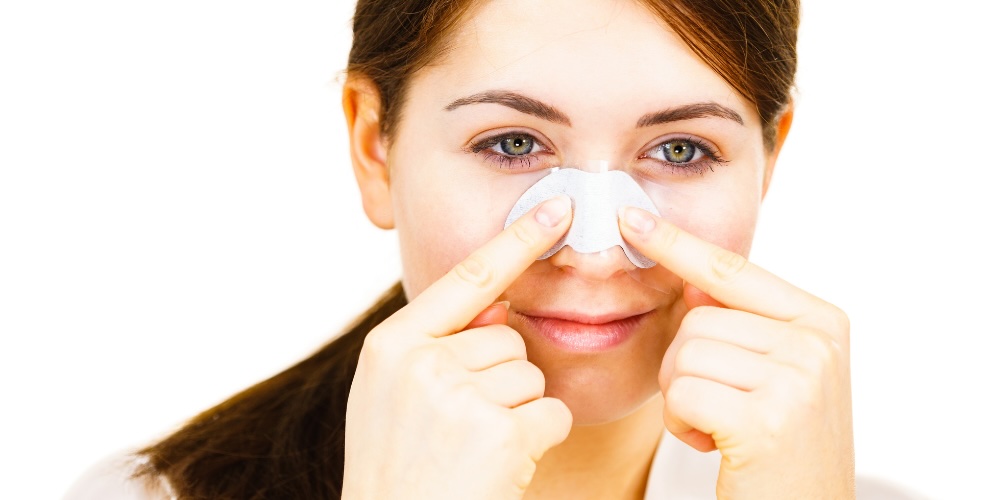
- Using pore strips frequently
- Over-scrubbing
- Using harsh physical exfoliants
While extraction can sometimes temporarily remove visible blackheads, aggressive squeezing can cause:
- Skin trauma
- Enlarged pores
- Post-inflammatory hyperpigmentation
- Scarring
Consistent chemical exfoliation is more effective long term.
How Long Does It Take to See Results?
With consistent use of salicylic acid 2–3 times per week, many people notice improvement within 4–6 weeks.
Blackheads are not removed overnight — the goal is gradual pore regulation and prevention of new clogs.
When to See a Dermatologist
If blackheads are persistent, widespread, or accompanied by inflammatory acne, a personalised treatment plan may be required. Prescription-strength retinoids, professional extractions, or chemical peels may be recommended in certain cases.
A dermatologist can also assess whether the issue is truly blackheads, another form of acne or a different skin condition altogether.
Building a Simple Routine for Blackhead-Prone Skin
Morning:
- Salicylic acid cleanser
- Lightweight moisturiser
- Broad-spectrum SPF
Evening:
- Gentle Cleanser
- Salicylic acid treatment (2–3x per week)
- Non-comedogenic moisturiser
Consistency and balance are more important than intensity.
Apply once or twice daily for 2–4 weeks, or as directed by your dermatologist. These creams reduce yeast, soothe inflammation, and treat stubborn clusters of bumps.